


HOMELIFE Brand Overseas Series Exhibition | Brazil Stop: 'Not just big, but also successful,' 2026 Brazil Expo builds a key hub for expanding into South America!
Amid the global wave of supply chain restructuring, the Latin American market, with its large population, strong consumption power, and open trade policies, has become a new blue ocean for Chinese companies going abroad. However, expansion abroad is no longer about who has the largest scale, but about who can truly convert, operate successfully, and sustain their business. The Latin American market is once again in the spotlight, but there are not many opportunities that are truly worth betting on.

Brazil is precisely one of the few options with certainty.
It's not just about being 'big,' but also about 'successful.' 'Big' refers to the population size and economic volume; 'successful' means having real transactional capability, with customers who place orders, make repeat purchases, and engage in long-term cooperation.
This is not a market merely waiting to explode; it is a mature battlefield that has already entered the stage of practical engagement.
As the largest economy and regional consumer hub in South America, Brazil combines demographic advantages, regional influence, and highly compatible supply-demand structures, making it a key springboard for Chinese companies moving from 'testing the waters in Latin America' to 'deeply cultivating Latin America.' For Chinese enterprises, Brazil is not a short-term arbitrage market, but a high-value ground where they can build long-term channels, accumulate local resources, and achieve scaled growth.
Brazil: China-Made 'Strategic Hub in Latin America'.
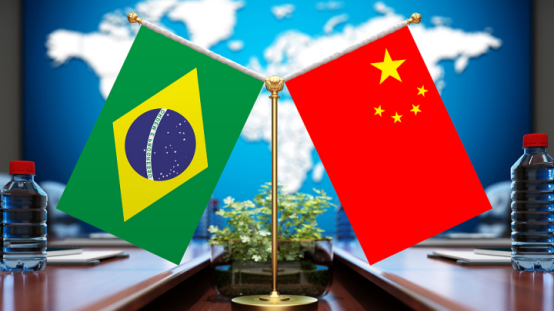
Brazil is located in the heart of South America and is China's largest trading partner in Latin America. By 2025, bilateral trade is expected to further exceed 171 billion US dollars, reaching a record high. The demand for home products in the Brazilian market continues to rise, becoming a new potential export sector.
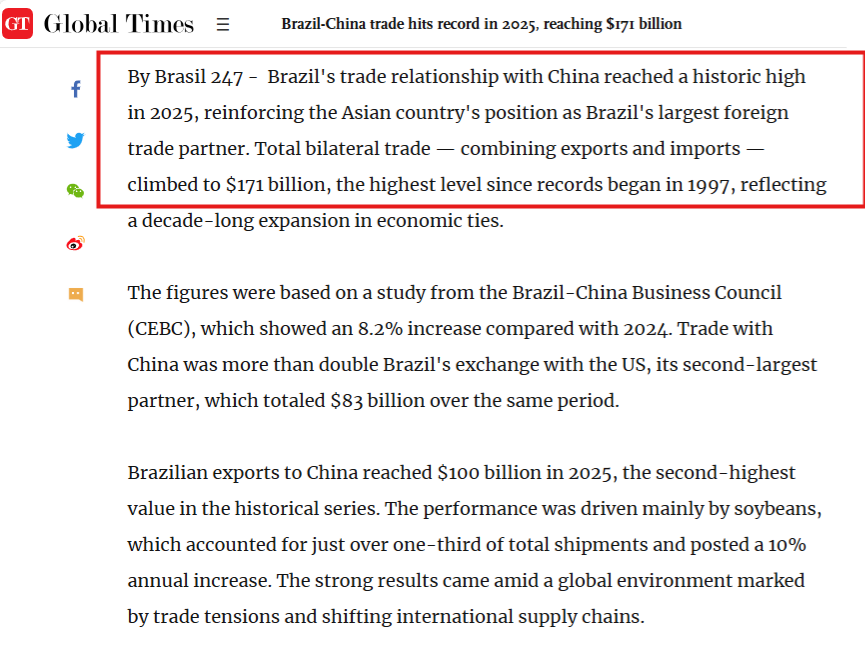
Brazil is not only a resource-rich country, but also an emerging economy with a highly mature consumer market and increasingly sophisticated e-commerce infrastructure. Its reliance on imports of light industrial products such as household goods and kitchenware has long been high, providing a stable market demand base for Chinese manufacturing.
With the support of MERCOSUR and bilateral agreements, Brazil enjoys significant regional advantages.
As a core member of Mercosur, Brazil has achieved smooth trade with countries in the region such as Argentina, Uruguay, and Paraguay, with significantly reduced tariff barriers, forming a vast trade network covering major South American economies.
Leveraging Brazil's well-developed port and railway logistics system, Chinese companies, using São Paulo as a hub, can quickly distribute their products to the South American consumer market of over 400 million people. The continuous optimization of cooperation mechanisms between China and Brazil in areas such as customs clearance and taxation further amplifies the price and delivery advantages of Chinese goods in the South American market, becoming a key springboard for tapping into the entire South American home and gift market.
The visa-free agreement between China and Brazil has been implemented, further accelerating people-to-people exchanges and economic and trade cooperation.
In January 2026, Brazilian President Lula officially announced a visa-free policy for certain short-term visa categories for Chinese citizens, forming a "two-way visa-free" framework with China's 30-day visa-free trial for Brazilian citizens since June 2025. This marks a new stage of low-threshold and high-efficiency people-to-people exchanges between China and Brazil.
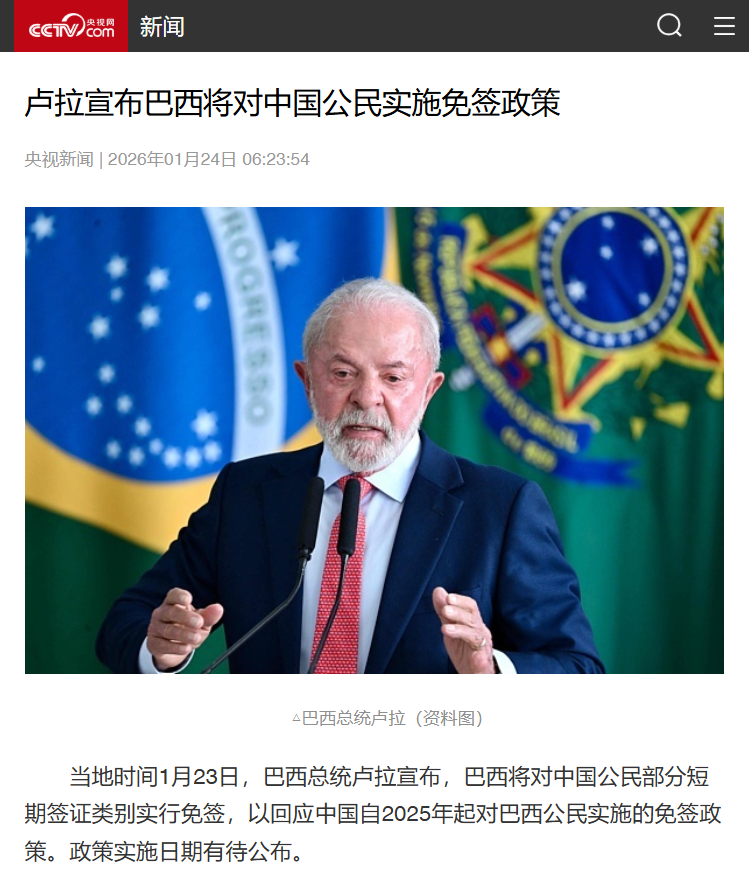
Lula announced that Brazil will implement a visa-free policy for Chinese citizens.
The significance of this policy extends far beyond tourism convenience; it lies in clearing a key bottleneck that has long constrained business exchanges between China and Brazil. For Chinese home furnishing and gift companies, the visa-free policy directly improves the efficiency of business collaboration: it allows them to more easily invite Brazilian buyers to China to inspect factories and deepen cooperation, and also enables them to conduct market research and participate in exhibitions in Brazil more frequently, accelerating the replacement of remote communication with "face-to-face negotiations" and significantly improving the efficiency of trust building and order conversion.
The expansion of the middle class is driving consumption upgrades, with strong demand for home improvement.
Brazil's urbanization rate has reached 87%, with approximately 69% of its 220 million population aged 15-64 (the working-age population) and a per capita GDP approaching $10,000. The middle class continues to expand. Consumer demand is shifting from "basic functional satisfaction" to "pursuit of quality and experience," especially in major cities like São Paulo and Rio de Janeiro. Consumers are showing significantly increased demand for design-oriented home décor, healthy kitchenware, and personalized gifts. Small and medium-sized home furnishings, aesthetically pleasing decorations, and customized gifts are becoming new growth points in the market, perfectly aligning with the product advantages of Chinese companies.
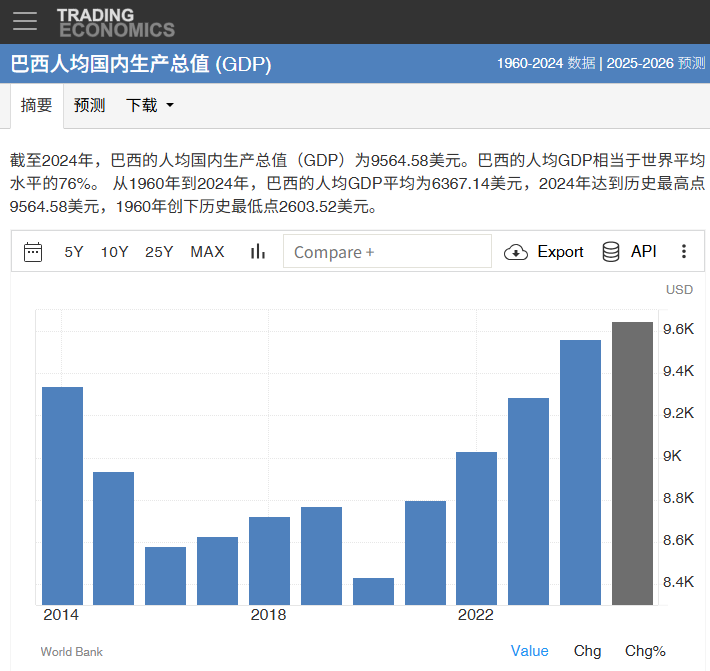
In 2024, Brazil's GDP per capita was US$9,564.58.
E-commerce is expanding rapidly, and long-tail demand is being released at an accelerated pace.
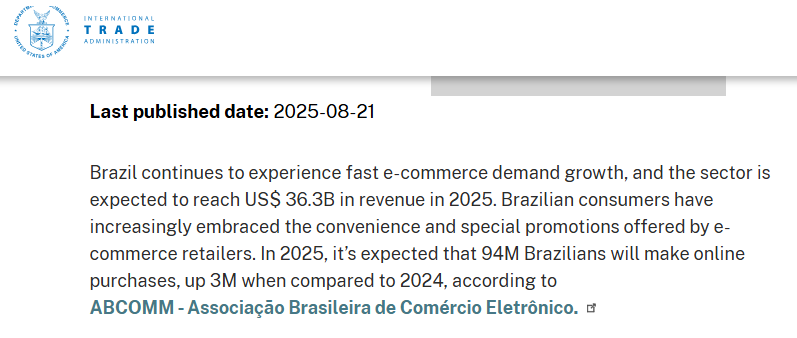
Brazil's internet penetration rate exceeds 70%, and the e-commerce market is in a period of rapid growth. It is estimated that e-commerce revenue will exceed US$36.3 billion in 2025, with more than 94 million online shoppers. E-commerce is transforming from a supplementary channel to a mainstream consumption method.
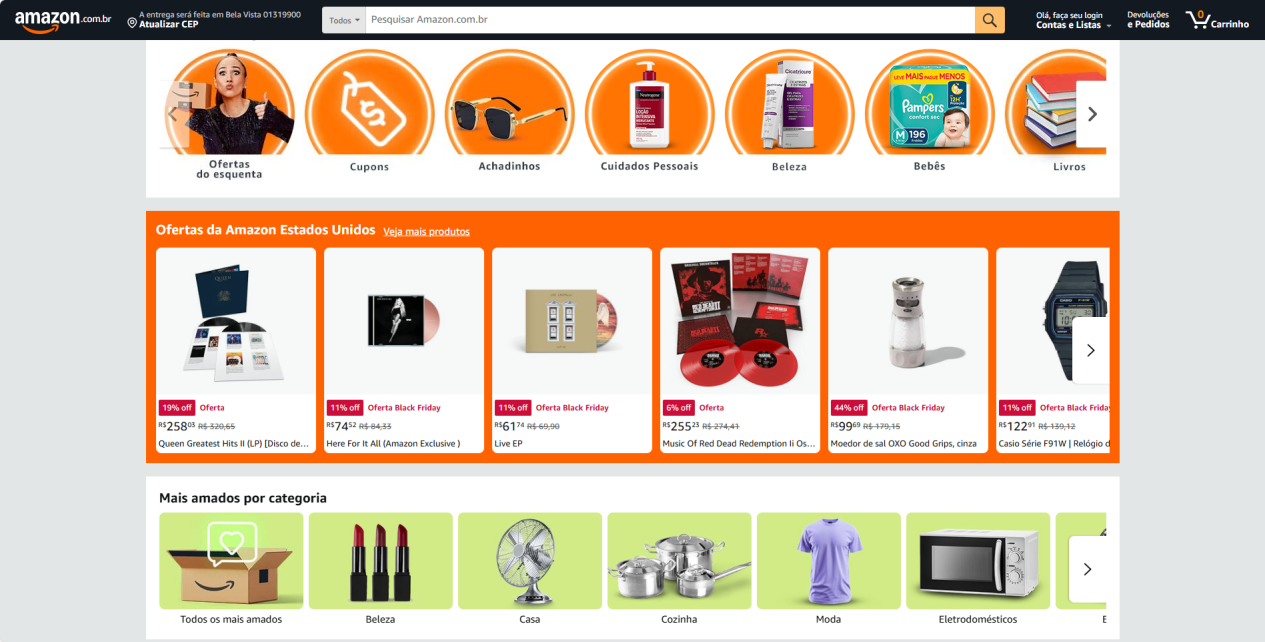
On platforms like MercadoLibre, Amazon, and Shopee, Chinese home and gift products have become popular online purchases due to their high cost-performance ratio and wide variety of styles—inexpensive and practical cleaning tools, lightweight storage products, and stylish kitchenware have seen increased online sales. E-commerce channels not only lower the market entry barrier for Chinese companies but also leverage the "long tail effect" to cover niche needs, providing businesses with a full-chain expansion path of "online volume growth + offline channel development."
The window for consumption upgrading opens: Five major categories ignite new export opportunities in Brazil
In Brazil, the consumption trend of home furnishings and daily necessities is accelerating its iteration and upgrading. The demand has long since moved beyond the single dimension of "meeting basic functions" and is now focusing on the deep integration of design quality, health attributes, environmental protection concepts and quality living scenarios.
Household Goods: Housing Plan Drives Essential Housing Demand, Accelerating Demand for Home Furnishings
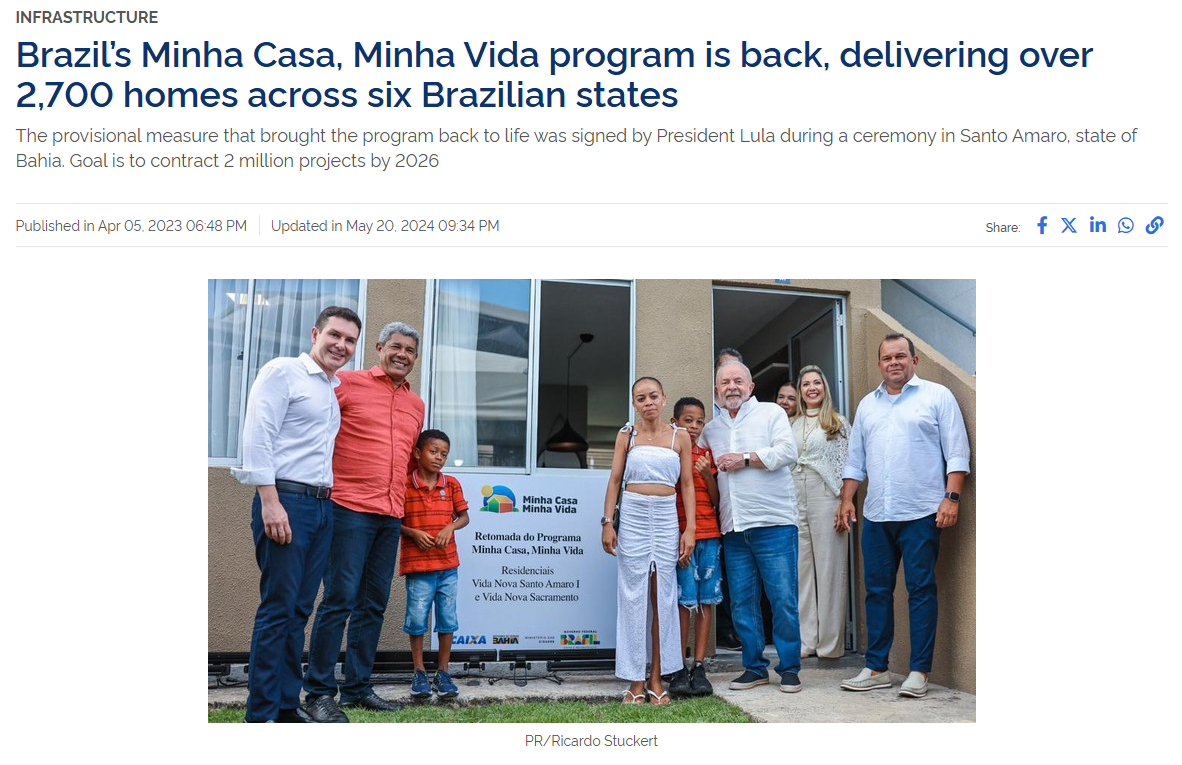
Against the backdrop of continued release of essential housing demand, the Brazilian household goods market is experiencing structural growth opportunities. The government-led "Minha Casa, Minha Vida" housing plan continues to advance, driving the delivery of a large number of newly built and improved homes, resulting in stable and large-scale procurement demand for home furnishing products.
Simultaneously, as the market focuses more on cost-effectiveness and space utilization efficiency, demand for functional home furnishing products suitable for small and medium-sized apartments has increased significantly. Built-in storage, folding furniture, and other products suitable for small apartments, as well as minimalist home decor, have become the main drivers of export growth.
Kitchenware and Dining Supplies: With restaurant expansion and environmental transformation, Brazil's kitchenware and dining supplies are entering a replacement cycle.
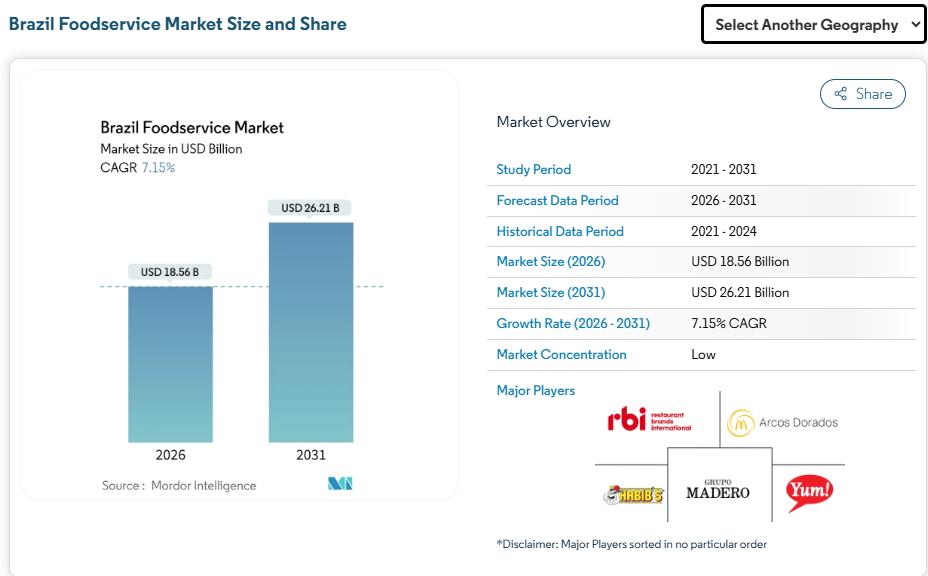
Brazil's restaurant industry is in a period of steady expansion. With urbanization, rising disposable income, and the increasing normalization of dining out, restaurant consumption continues to recover. It is projected that by 2025, the Brazilian restaurant market will reach approximately US$18.5 billion, with an average annual growth rate of about 7.15%.
Meanwhile, Brazil has introduced several measures to limit plastic use, leading to a rapid expansion of the market share for wooden tableware and biodegradable plastic tableware with FSC forest certification. The biodegradable tableware market is projected to grow from US$522 million in 2023 to approximately US$883 million in 2030, representing a compound annual growth rate of about 7.8%. Chinese companies' advantages in the application of environmentally friendly materials and cost-effectiveness have enabled them to rapidly seize market share during this transition period.
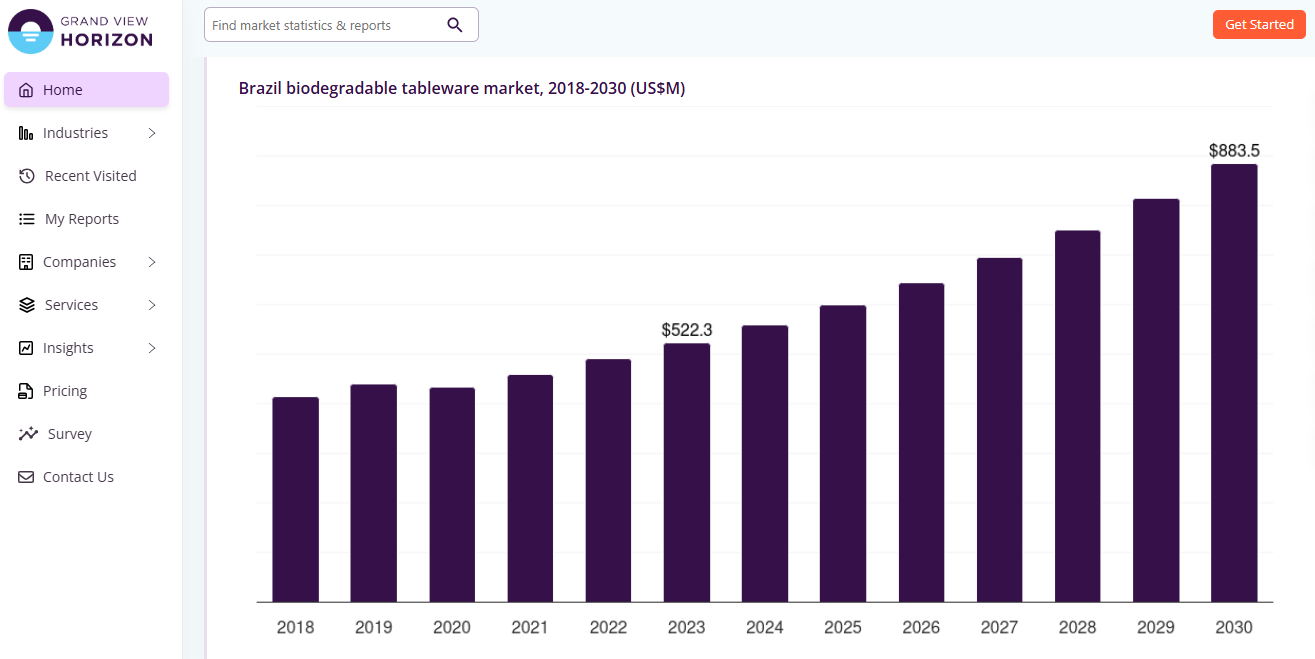
A diagram illustrating the Brazilian biodegradable tableware market.
Beauty and Personal Care Products: Natural Ingredients Dominate, Brazil's Beauty and Personal Care Market Enters an Upgrade Phase
The Brazilian beauty market is projected to grow from approximately US$36.97 billion in 2025 to approximately US$52.56 billion in 2030, with hair care, fragrance, and skincare products leading the demand. Consumers have a strong interest in natural and sustainable ingredients.
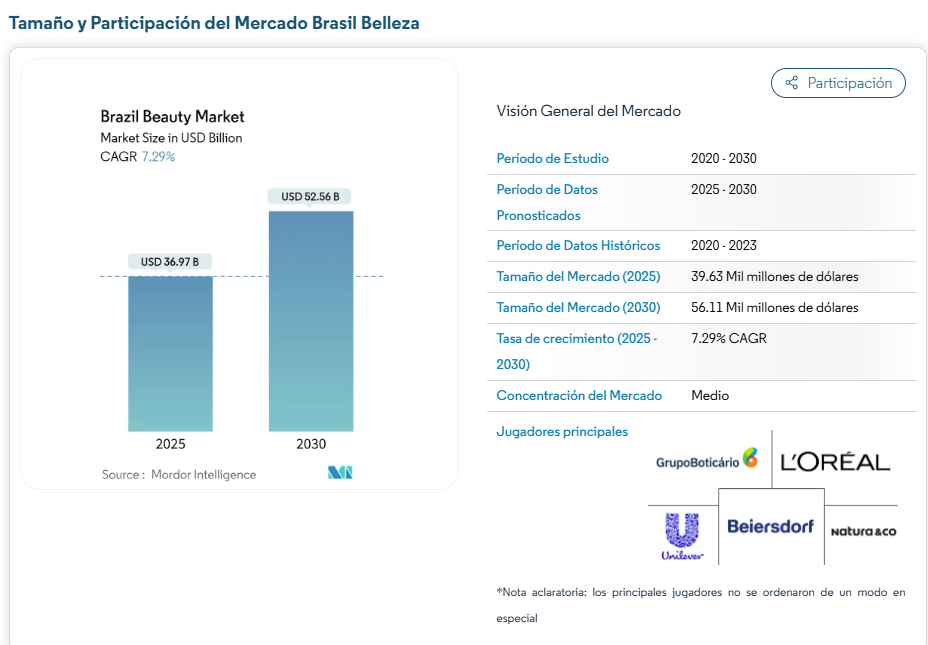
Brazilian beauty market size and share
Visa-free policies are accelerating exchanges between Chinese and Brazilian beauty brands. Chinese companies' natural ingredient skincare and makeup tools can quickly reach Brazilian consumers through offline exhibitions and online platforms, especially in emerging sectors such as men's grooming and body care, where significant growth potential is expected.
Outdoor Leisure and Sports Products: Sporting Events and Outdoor Boom Create Growth Opportunities in Brazil's Sports Products Market.
As a football powerhouse, Brazil consistently sees stable sales of jerseys, football boots, and training equipment. Major sporting events and partnerships with the national team continue to drive surrounding consumer spending. Simultaneously, the government's "International Tourism Acceleration Plan" attracts tourists, promoting outdoor activities such as surfing and hiking, while rainforest exploration also boosts demand for high-end equipment.
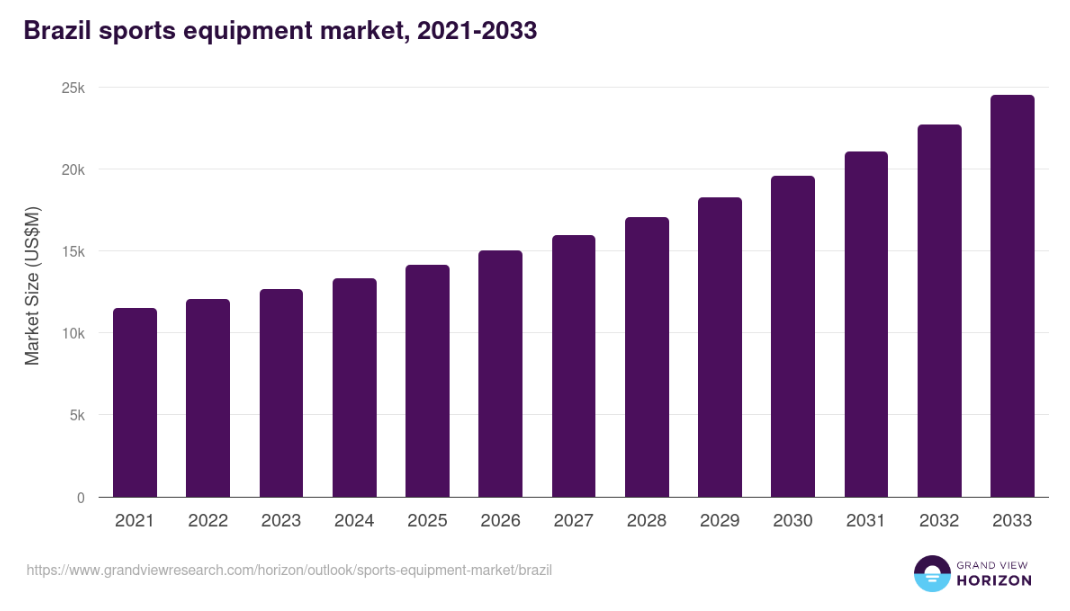 Brazilian sports equipment market size
Furthermore, the domestic running market continues to expand, reaching $751.06 million in 2024, with stable demand for lightweight, cost-effective sports equipment. Chinese companies' high-quality, cost-effective outdoor gear and fitness products can not only meet mass consumer needs but also penetrate the high-end event support market through customized services.
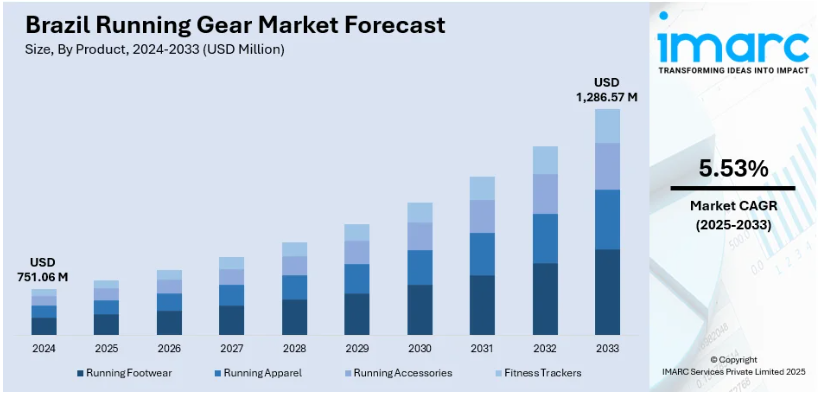
Gifts and Office Supplies: Strong Holiday Demand, High Import Dependence
Brazil celebrates 12 core holidays throughout the year, including Christmas, Carnival, and Father's Day, creating a vibrant festive atmosphere and driving year-round gift-giving demand. The gift packaging market is projected to expand from approximately US$670 million in 2025 to approximately US$1.01 billion in 2034. However, local supply of stylish metal badges and customized kitchenware gifts can only meet 40% of demand, resulting in a high reliance on imports.
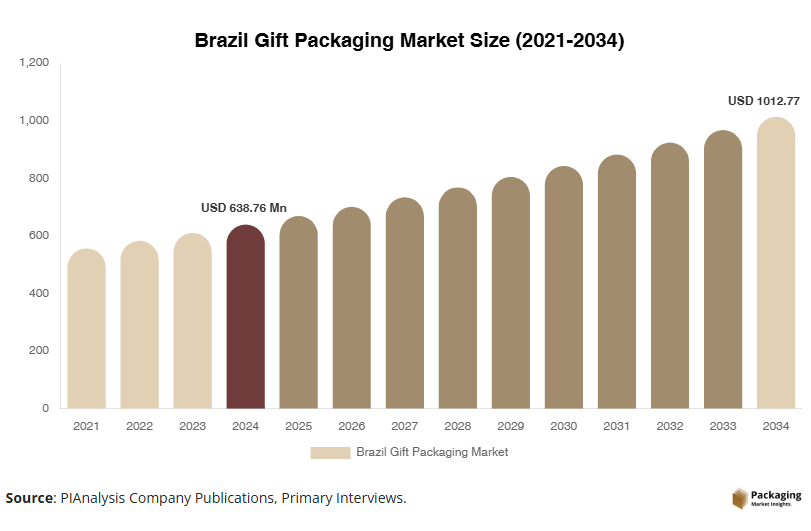
Brazilian gift packaging market size
The office supplies market is projected to reach approximately US$590.6 million in 2024, with essential categories such as paper and writing instruments experiencing steady growth. Following the implementation of the visa-free agreement between China and Brazil, Brazilian companies have reduced communication costs and significantly shortened order cycles when procuring Chinese gifts and office supplies.
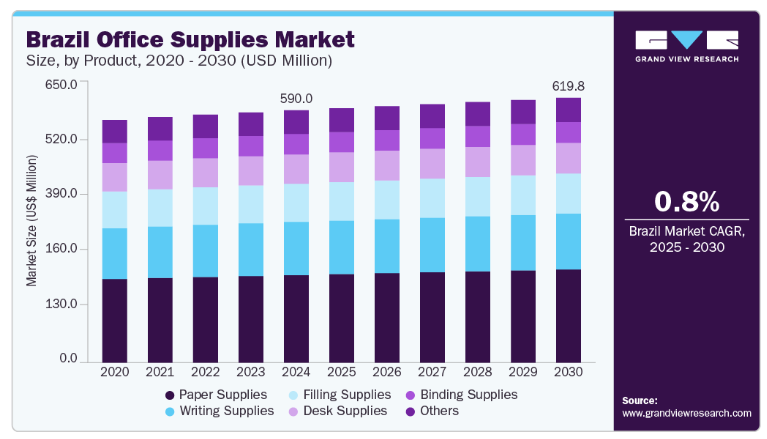
Brazilian Office Supplies Market Size and Trends
HOMELIFE Ensures Successful Overseas Expansions
As the global trade wave surges towards South America, Chinese companies are increasingly focusing their overseas expansion on Brazil. THE HOMELIFE BRAZIL EXPO connects the foundation of Sino-Brazilian trade with opportunities arising from consumption upgrades, using digital means to solve cross-border integration challenges and helping Chinese manufacturing move from "going global" to "deepening its roots."
The 13th HOMELIFE BRAZIL EXPO
September 16–18 | São Paulo Convention Center
Enabling Chinese Manufacturing to Deeply Root itself in the Heartland of South American Consumption
Opening up a high-conversion, high-repurchase path to Latin American success for Chinese companies going global.
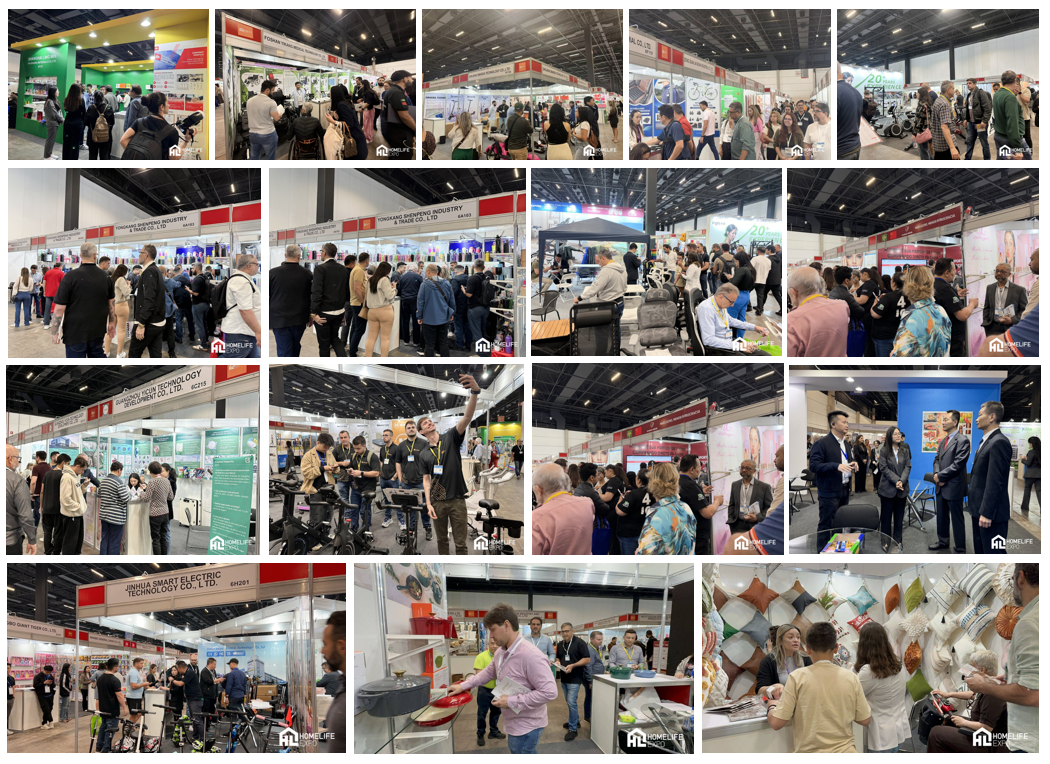
A matrix of five core product categories reshapes regional market opportunities.
It brings together five core categories: household goods, kitchenware, gifts and office supplies, beauty and personal care, and outdoor leisure and sports, precisely targeting regional consumer needs. Leveraging the synergistic advantages of these comprehensive categories, it creates diversified business opportunities for partners.
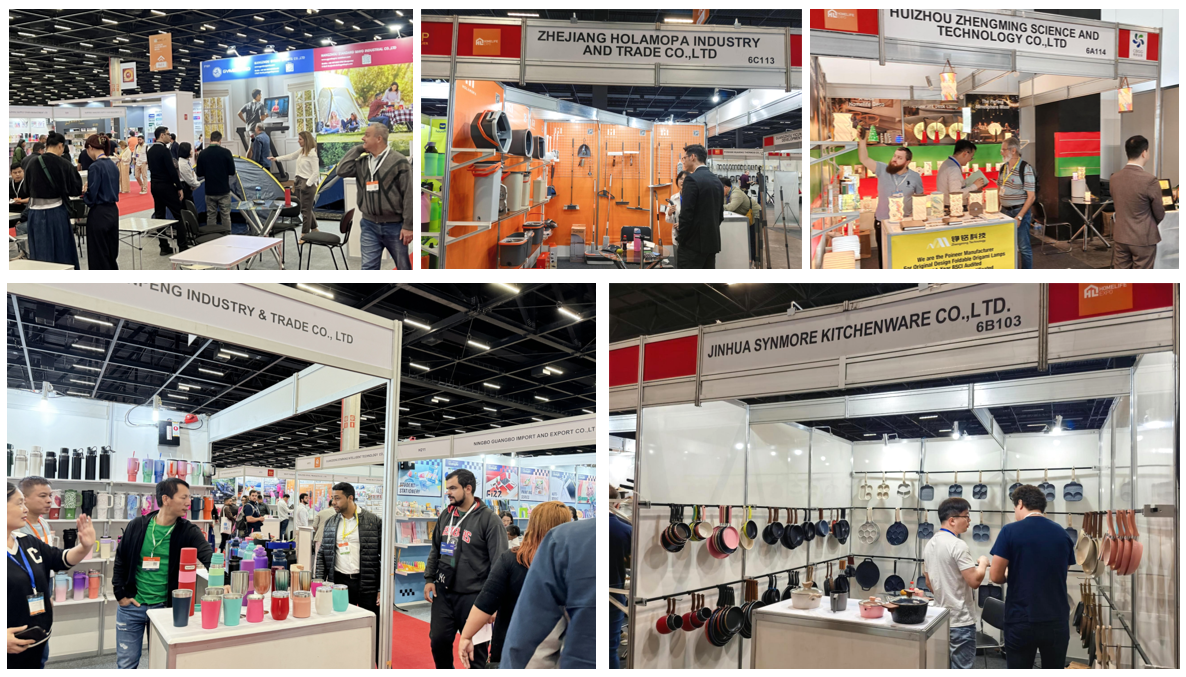
A database of 30,000+ precise buyers, covering an omnichannel sourcing network across South America
The exhibition leverages a database of 30,000+ precise buyers, covering a omnichannel sourcing network including chain retail groups, local ODM/OEM partners, cross-border e-commerce sellers, and regional distributors, providing businesses with the dual value of order matching and market cultivation.
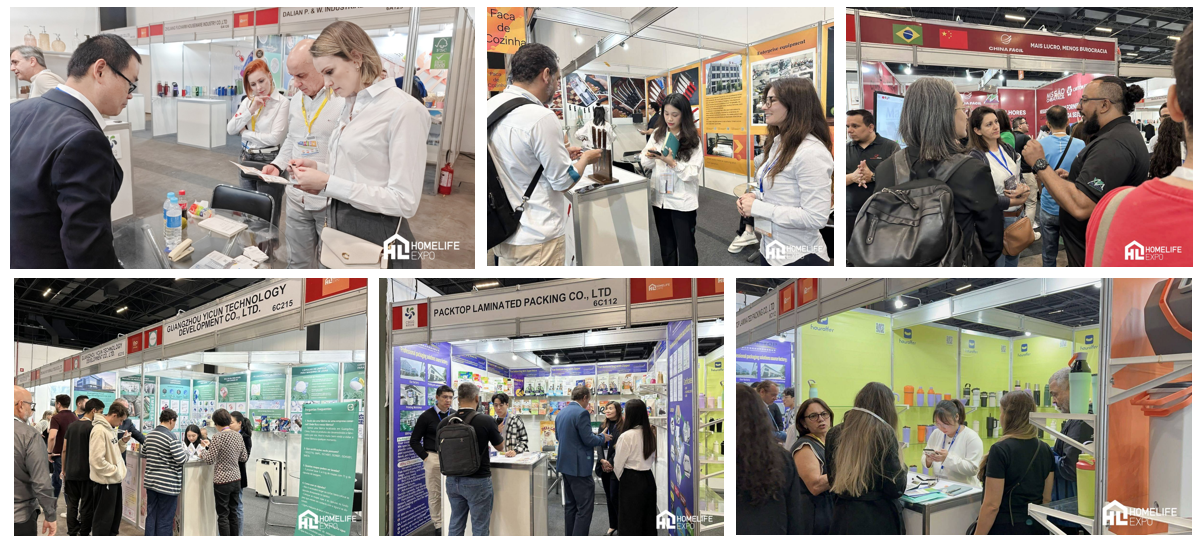
AI-Powered Exhibition: Reshaping Exhibition Efficiency
Leveraging the "AI-Powered Exhibition" intelligent ecosystem, the entire exhibition integrates cutting-edge AI technology and hardware. With a buyer-seller intelligent matching algorithm as its core engine, combined with multi-dimensional efficiency-enhancing tools and interactive terminals such as AI glasses, a full-chain service system is built, covering pre-exhibition demand matching, precise negotiations during the exhibition, and post-exhibition business opportunity tracking. This digital solution not only reshapes the overseas exhibition experience for enterprises but also intelligently addresses the pain points of expanding into the South American market, building an efficient bridge for cross-border trade and helping Chinese enterprises deeply explore the region's commercial potential.
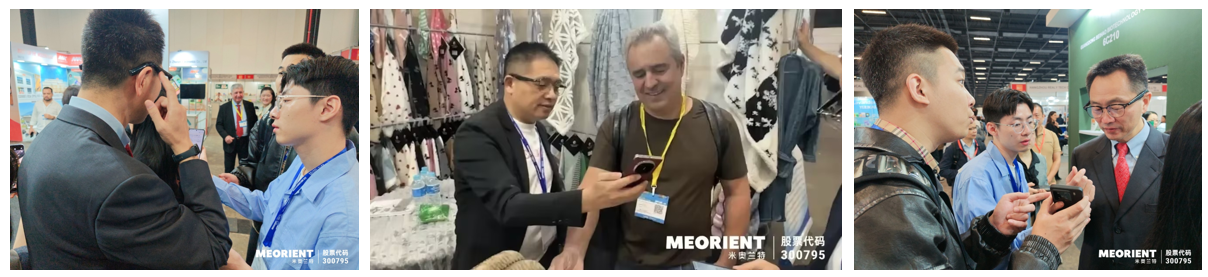
Pre-show platform launches, capturing buyers' 'first glance'
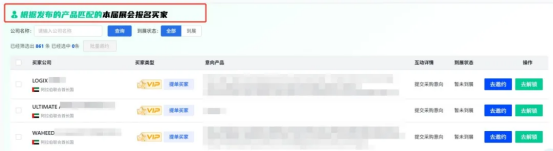
From 'passively waiting for customers' to 'actively securing them.' Before the exhibition, companies can test product popularity and accurately connect with potential buyers through the HOMELIFE pre-show platform.
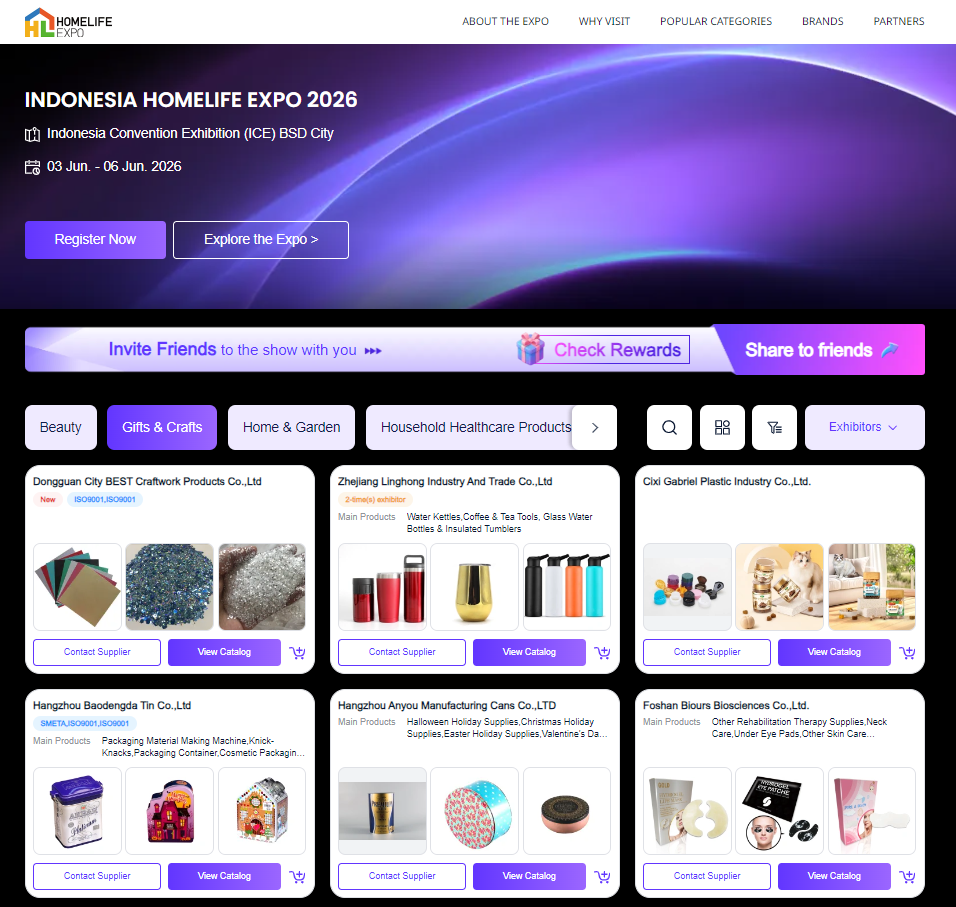
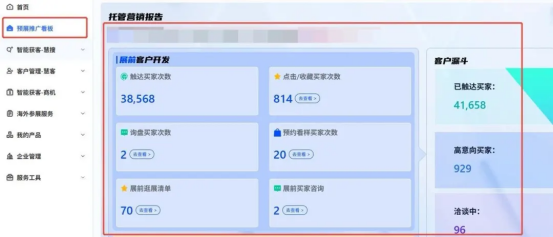
Real Overseas Traffic and Data Feedback
No need to wait. Once your product is uploaded to the platform, it will be directly showcased to the large overseas buyer community aggregated by our platform. You can clearly see core data such as popular search keywords, product views, interested buyers, and proactive engagement.This real data is the most direct basis for you to assess the market acceptance of your product.
Four Basic Rights
- Open a store for free
- Upload 10 showcase products for free
- Upload 100 new products for free to participate in official promotion activities
- Invite inquiry buyers to the exhibition unlimited times for free
Five Additional Rights After Product Upload
New store and new products receive weighted exposure: Newly uploaded products receive 15 days of weighted exposure, appearing first in buyer searches and recommendations.
Smart recommendations, precisely reach intended buyers: When buyers search or inquire about similar products on the platform, the products are prioritized for recommendation to them, further increasing exposure and transaction opportunities.
Omni-channel promotion, accurately recruit buyers: The exposure range is not limited to the exhibiting country. Using product tags to identify buyer profiles efficiently and accurately recruits matching buyers.
Priority access to high-value recommended buyer lists: Based on product tags, receive precisely matched high-quality buyers, allowing early invitation, review, and locking of high-intent business opportunities.
Post-exhibition remarketing: Continue to reach platform buyers after the exhibition, allowing promotions to keep spreading and achieving wider influence.
Overseas Comprehensive Intelligent Promotion, Tens of Millions of Global Exposures
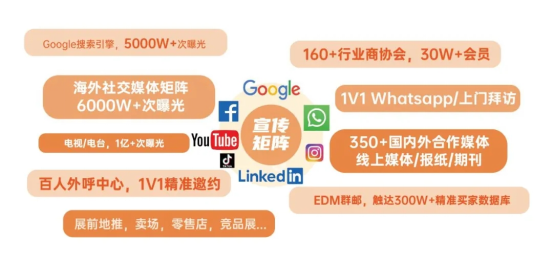
The exhibition garnered continuous attention and coverage from Brazilian and international media. Employing a data-driven strategy, it integrated mainstream overseas social media platforms such as YouTube, Google, Facebook, Instagram, LinkedIn, and TikTok to build an online omni-media matrix for promotion. Simultaneously, it combined offline meetings with key buyers by local teams, press conferences, and outdoor advertising, continuously operating over 12 exhibition marketing channels throughout the year to achieve 360° comprehensive exposure, with an average exposure exceeding 11 million people per exhibition.
Going global is no longer a superficial endeavor,
but a steadfast commitment to bringing quality living to South America through Chinese manufacturing.
See you at HOMELIFE Brazil in 2026!
Unlock the infinite possibilities of the South American market.

Register now and seize the business opportunity.






 浙公网安备33019202002778号