


HOMELIFE Brand Overseas Series Exhibition | Mexico Stop: 'Not Just Far, But Reachable', 2026 Mexico Expo Unlocks the Golden Trade Corridor Between Latin America and North America!
As going overseas gradually shifts from being a choice to a necessity, what truly creates a gap is no longer 'whether to go out,' but 'whether one can successfully enter.' The boundaries of the market are shrinking, and the core of competition is shifting toward efficiency, strategy, and execution capability—those who can more quickly understand real needs and establish stable connections are more likely to turn a single entry into long-term operations.
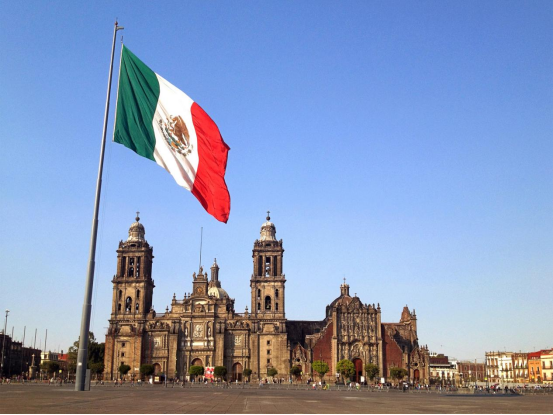
On the path from 'going out' to 'going in,' Mexico is becoming an unavoidable node.
It's not just about being 'far,' but also about 'reaching.' 'Far' refers to the geographical distance, while 'reaching' means establishing channels, converting customers, and securing ongoing orders.
Mexico is not only an important consumer market in Latin America but also a key gateway to North America; it both absorbs the transfer of manufacturing and supply chains and releases stable, scalable procurement demand. For Chinese companies, the value of Mexico lies not in the distance itself, but in whether they can truly reach the core of the market and turn their overseas venture into a sustainable business.
Key Pivot Points in Manufacturing Restructuring: Mexico's Multiple Roles
Strategically Positioned, Radiating Across Three Countries: Mexico's Advantages in the Free Trade Network
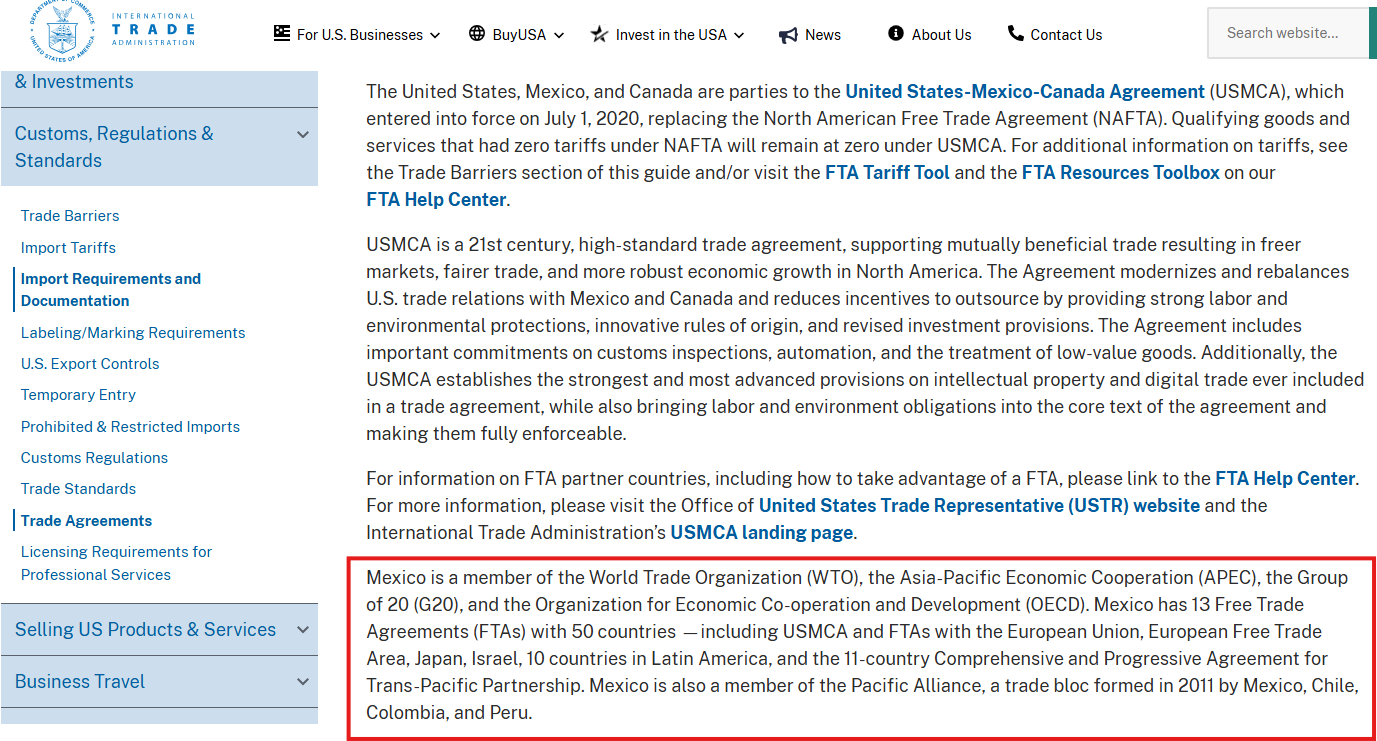
A stable macroeconomy and policies that encourage foreign investment provide a secure environment for foreign investors. The Mexican government has signed free trade agreements with more than 50 countries, allowing products manufactured here to reach a broader market. With the tariff-neutral advantage of the United States-Mexico-Canada Agreement (USMCA), Mexico has become a 'golden springboard' for accessing the North American market. Establishing operations in Mexico not only allows companies to leverage its mature supply chain to meet local demand but also to quickly enter the U.S. and Canadian markets through 'duty-free' channels, achieving highly efficient expansion with 'one location, profits in three countries.'
Driven by both policy and infrastructure, rigid procurement demand continues to be released.
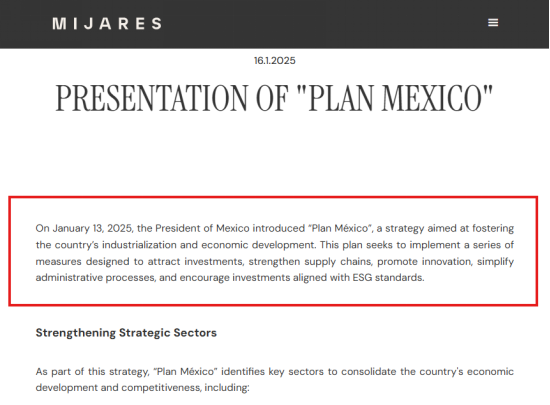
The Mexican government continues to advance the 'Mexico Plan' and the National Industry 4.0 Strategy. On one hand, it is increasing nationwide infrastructure investment, with urban renewal, residential renovation, and expansion of commercial office and hotel and catering sectors directly driving bulk purchases in home, kitchen, and office categories; on the other hand, it is accelerating the upgrade of sports infrastructure. Coupled with multiple international events scheduled from 2025 to 2027, this is releasing rigid demand for sports equipment and outdoor leisure products. At the same time, the government has introduced environmental policies such as the 'plastic restriction order,' promoting a surge in demand for subcategories like biodegradable materials and eco-friendly kitchenware, creating new market growth opportunities.
Dual dividends of population and economy, consumption upgrade releases sustained growth momentum.
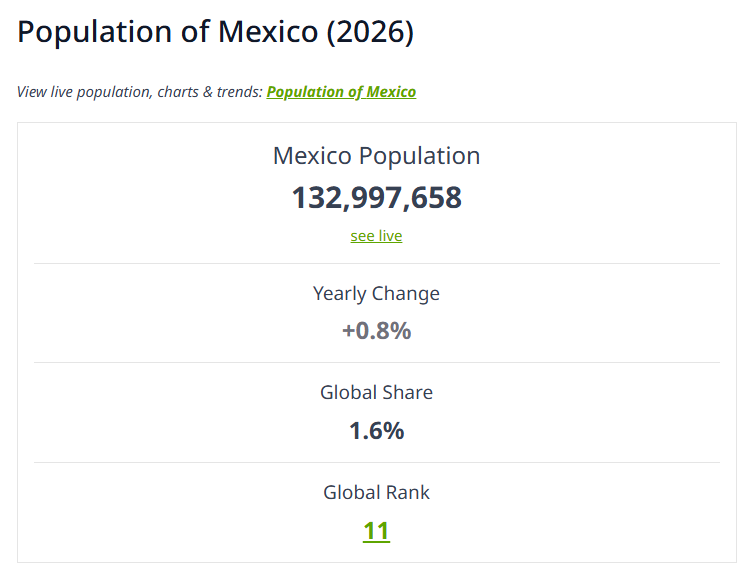
As the second most populous country in Latin America, Mexico has a population of over 132 million, with 68.6% of its population aged 15-64, and a median age of about 29.6 years. The young population forms the main force of consumption and has strong willingness to spend.
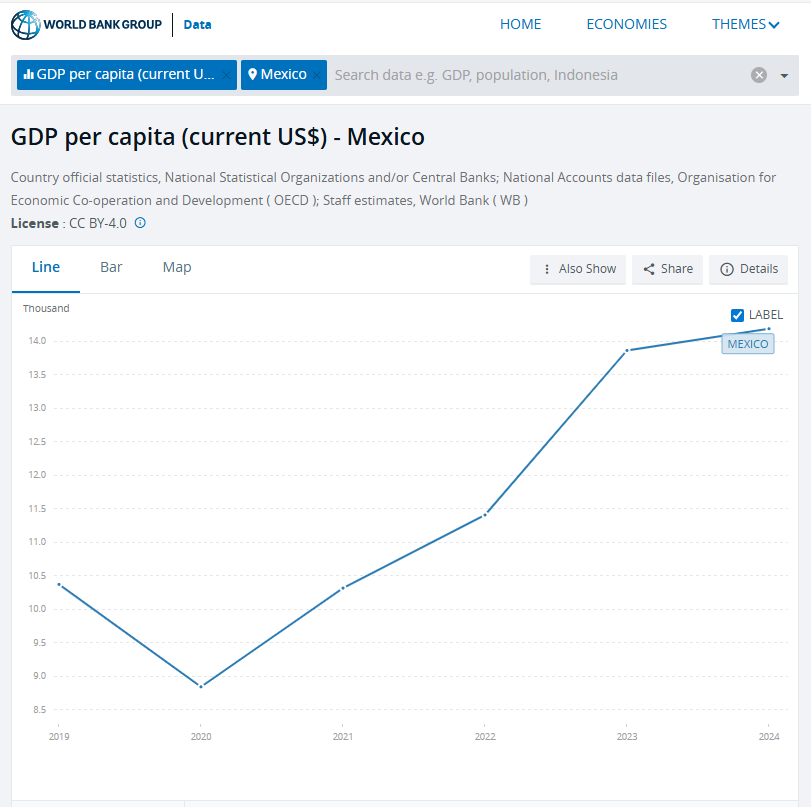
In 2024, the per capita GDP is expected to reach $14,000, placing the country in the upper-middle-income category. The middle class accounts for over 40% of the population and continues to grow, while disposable income steadily increases, driving home consumption from 'basic functionality' to 'quality design, health and environmental protection, and smart convenience.' This provides a realistic space for Chinese brands to move from 'price competition' to 'value competition.'
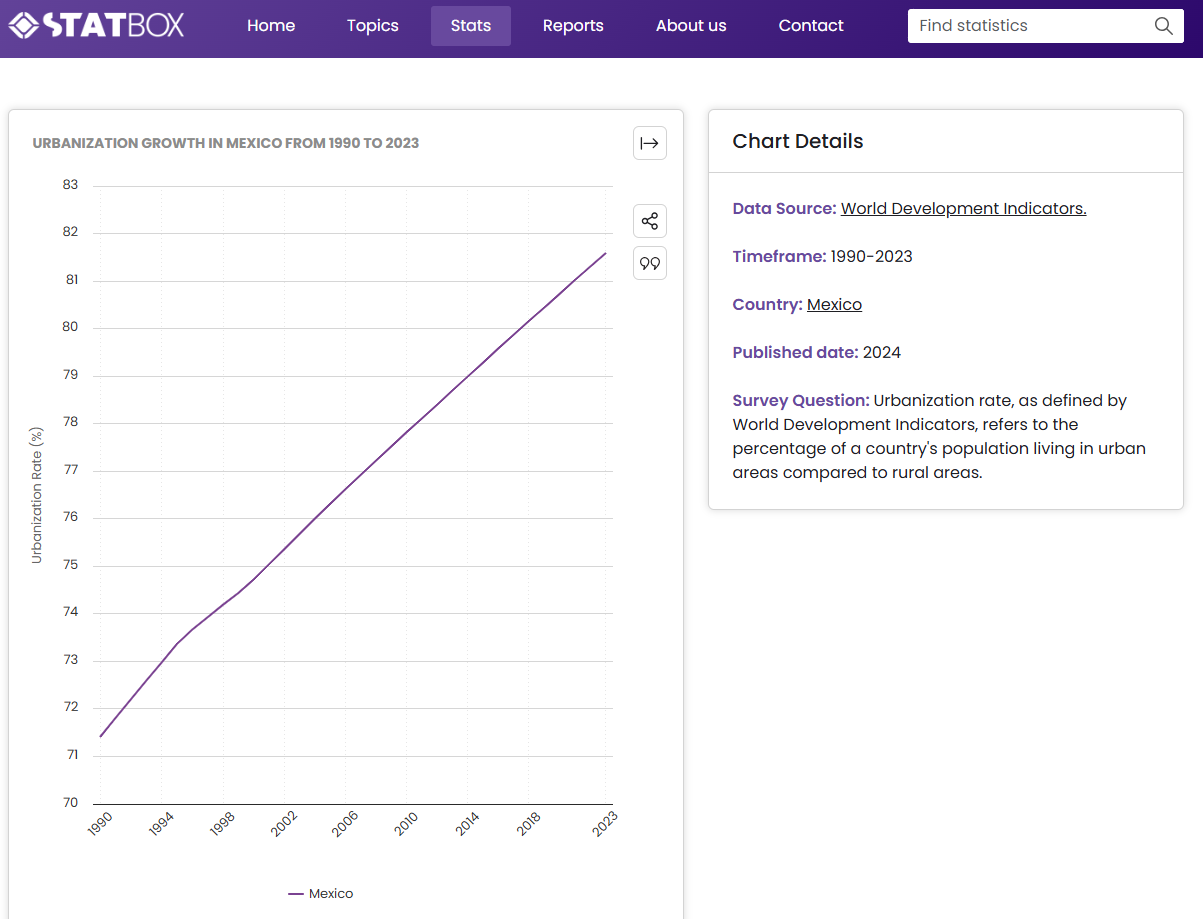
Urbanization continues to advance, and small-sized housing drives growth in functional consumption.
Over the past two decades, Mexico's urbanization process has steadily deepened, with the proportion of the urban population increasing from 71.4% in 1990 to 81.6% in 2023, maintaining an average annual growth rate of over 0.5% in the past ten years. A large number of rural residents have concentrated in key cities such as Mexico City and Guadalajara, creating a demand for housing dominated by apartments and small units. The densification of living spaces has promoted upgrades in home products toward more efficient use of space and multifunctional integration, leading to a surge in demand for categories like built-in storage and foldable furniture.
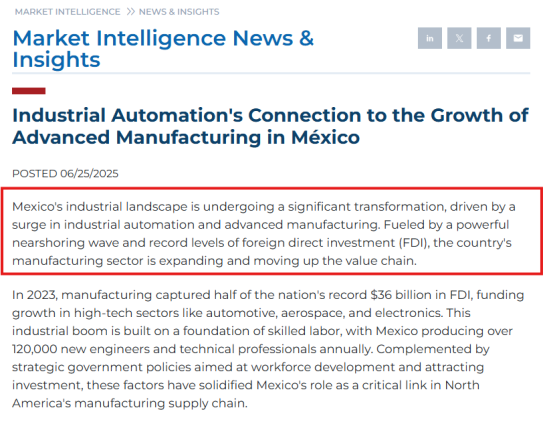
The supply gap in light industry is significant, making Chinese manufacturing a natural fit.
Mexico's manufacturing industry is centered on heavy industry and high-tech manufacturing such as automobiles, electronics, and aerospace. In 2023, high-tech manufacturing accounted for 32.1% of the sector. However, production capacity for light industry categories such as household goods, kitchenware, and beauty and personal care products is seriously insufficient, with low coverage of local supply chains and long-term heavy reliance on imports. This industrial imbalance allows Chinese manufacturing, with its comprehensive advantages of full-category supply, high cost-performance ratio, and flexible customization, to become the core supplier for Mexico's light industry market, creating an irreplaceable natural market entry point.
The Real Upgrade from 'Functional Consumption' to 'Experiential Consumption'
In Mexico, the consumer logic for home and daily necessities is changing. Demand is no longer just about 'usability,' but is starting to focus on design, health, environmental protection, and lifestyle compatibility.
Home and Daily Products | Mid-range Upgraded Market Suited for Urban Living
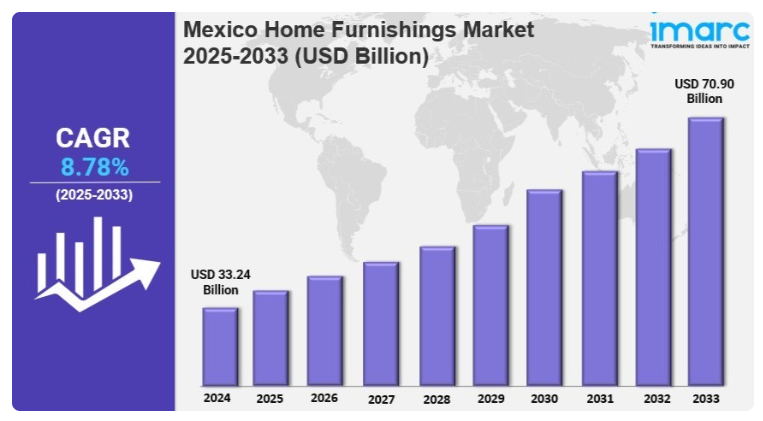
Driven by rapid urbanization, the trend of small apartment living, and the expansion of the middle class, the Mexican home goods market is expected to reach approximately USD 33.24 billion in 2024, and grow to USD 70.9 billion by 2033, with a compound annual growth rate of 8.78%. It is becoming a core market for 'moderately priced, highly designed' products. Consumers are looking for stylish, practical, and affordable furniture suitable for compact urban living, favoring modular, multifunctional, or space-efficient designs.
Consumer demand shows three main characteristics: first, spatial adaptability, with a preference for modular, multifunctional, and easily storable products that suit compact urban living environments; second, a combination of aesthetics and practicality, with attention to the coordination between product design and home decor style; third, quality upgrades, with a significant increase in concern for durability and environmentally friendly materials. Among these, daily cleaning supplies, storage systems, and home decor items, as high-frequency essential categories, maintain stable growth and become the core segments for long-term channel restocking.
Kitchenware | An alternative market driven by both health and environmental concerns
In 2024, the Mexican kitchenware market reached a size of $285 million. According to IMARC GROUP, it is expected to grow to $565.42 million by 2033, expanding at a compound annual growth rate of 7.10% between 2025 and 2033.
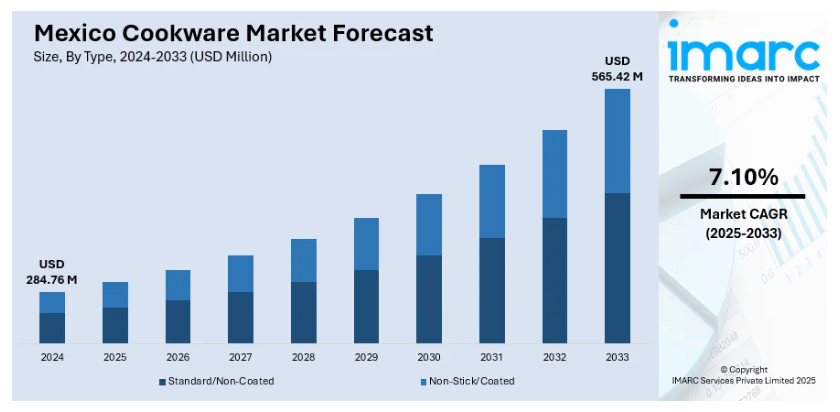
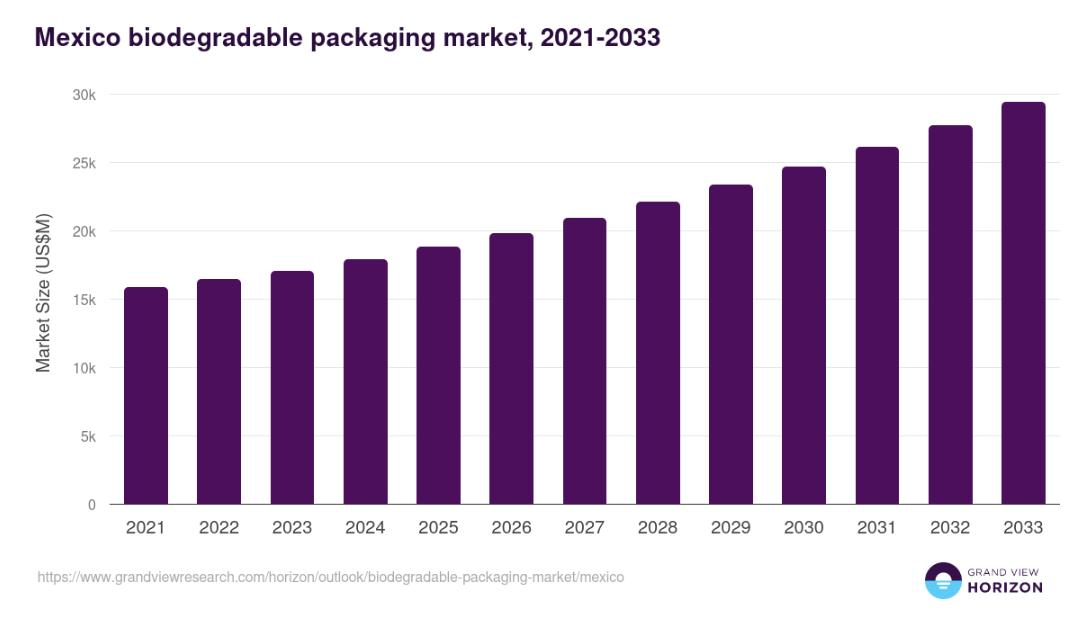
Market trends indicate that consumers are increasingly concerned about health and safety, gradually moving away from products containing PFOA/PTFE coatings and turning to non-toxic materials such as ceramic and stainless steel. Driven by policies like the 'plastic restriction directive,' the foodservice industry is accelerating the shift to eco-friendly alternatives. The biodegradable packaging market in Mexico is expected to grow from approximately $17.918 billion in 2024 to about $29.438 billion in 2033.
Beauty and Personal Care | The Advantage of Natural Ingredients Amplified by Social E-Commerce
In 2024, the Mexican beauty and personal care market is valued at $10.6 billion, and it is expected to reach $17.6 billion by 2033, with a compound annual growth rate (CAGR) of 5.42% from 2025 to 2033. After the launch of TikTok Shop in Mexico, sales of beauty and personal care products surged by 83.9%.
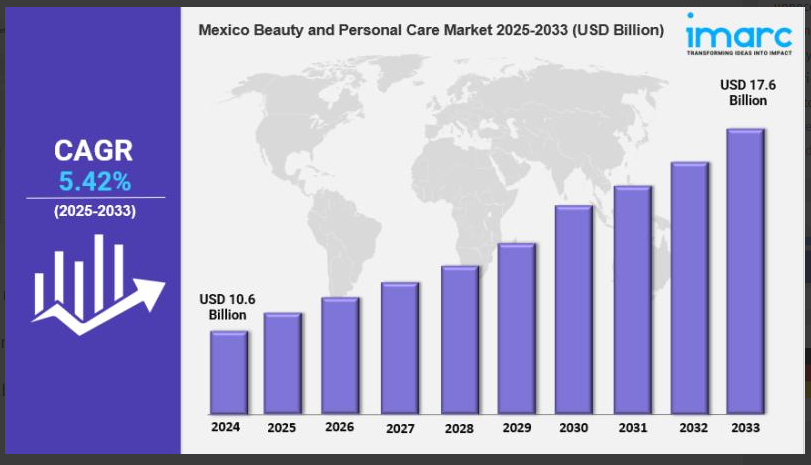
Consumers increasingly prefer natural, organic skincare and body care products with clearly defined ingredients. Indigenous Mexican ingredients such as aloe, coconut oil, and cactus are highly favored for their safety and effectiveness. Skincare holds the largest share in niche markets and is experiencing significant growth, while categories driven by emotional consumption, such as makeup and fragrances, continue to see rising demand due to social scenarios.
Outdoor Leisure and Sports Products|Driven by Both Events and Infrastructure
With the rise in public awareness of fitness and the popularization of outdoor lifestyles, Mexico's outdoor leisure and sports products market has maintained rapid growth in recent years. According to IMARC Group, in 2024, the market size of sports and fitness products in Mexico will reach USD 1.075 billion, covering key categories such as soccer, running, fitness training, and outdoor leisure, with a solid market demand foundation.
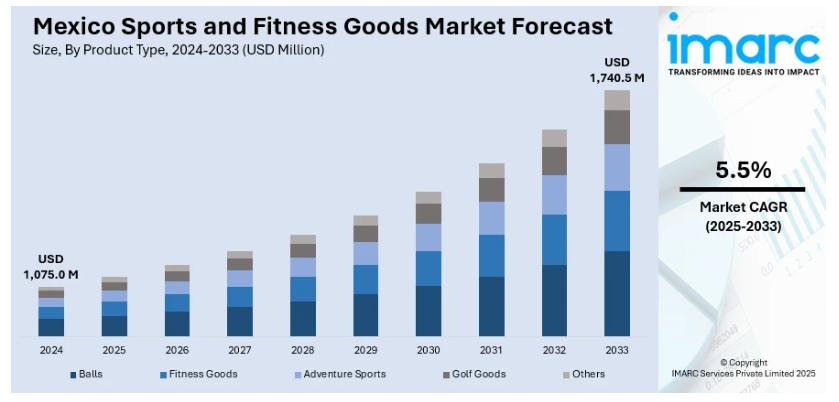
From the demand side, growth is mainly driven by two factors. On one hand, Mexico has long hosted international sporting events and professional leagues, continuously driving the demand for sports equipment, training gear, and event-related facilities, with products related to football and tennis being particularly active. On the other hand, the government continues to promote the construction of public sports infrastructure, increasing investment in urban communities, schools, and public sports spaces, thereby advancing the development and upgrading of sports venues and basic equipment, creating a medium to long-term, stable procurement demand.
Gifts and Office Supplies | High-Frequency Market Nodes Supported by Festival Culture
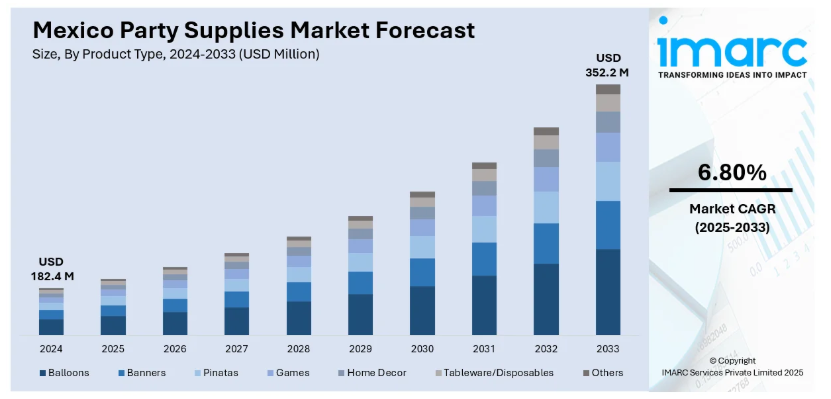
The Mexican market for gifts and office supplies has stable demand and high consumption frequency, making it one of the most reliable consumer markets in Latin America. According to IMARC Group, the size of the Mexican party supplies market is approximately USD 182 million in 2024, and it is expected to grow to around USD 352 million by 2033. A strong and enduring festival culture is the core driver of market expansion. Events such as Day of the Dead, Christmas, Easter, as well as birthday parties and school activities, occur throughout the year, continuously driving concentrated consumption of decorative items, themed gifts, and party arrangements.
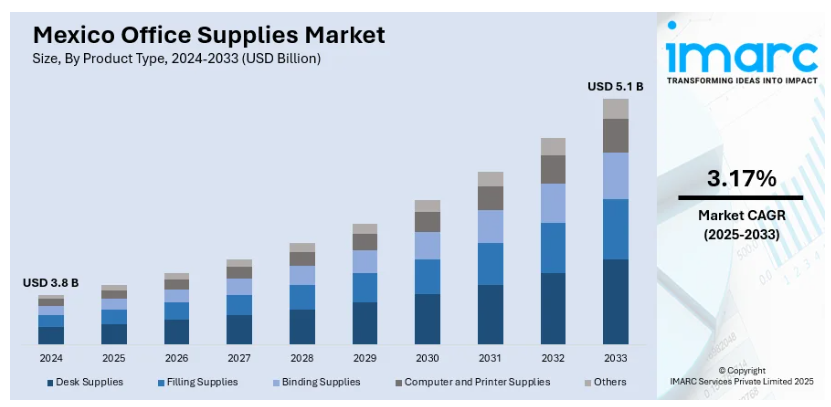
In terms of office supplies, the Mexican market is expected to reach around $3.8 billion in 2024 and grow to approximately $5.1 billion by 2033. The rigid demand from the education system, along with long-term procurement by businesses and institutions, jointly supports the steady growth of basic categories such as paper, notebooks, and writing instruments.
HOMELIFE Makes 'Entering the Market' More Exciting
As market opportunities gradually become clearer, the real turning point lies in the ability to implement efficiently. HOMELIFE MEXICO EXPO helps Chinese companies connect with real buyers faster, turning market opportunities into sustainable collaborations.
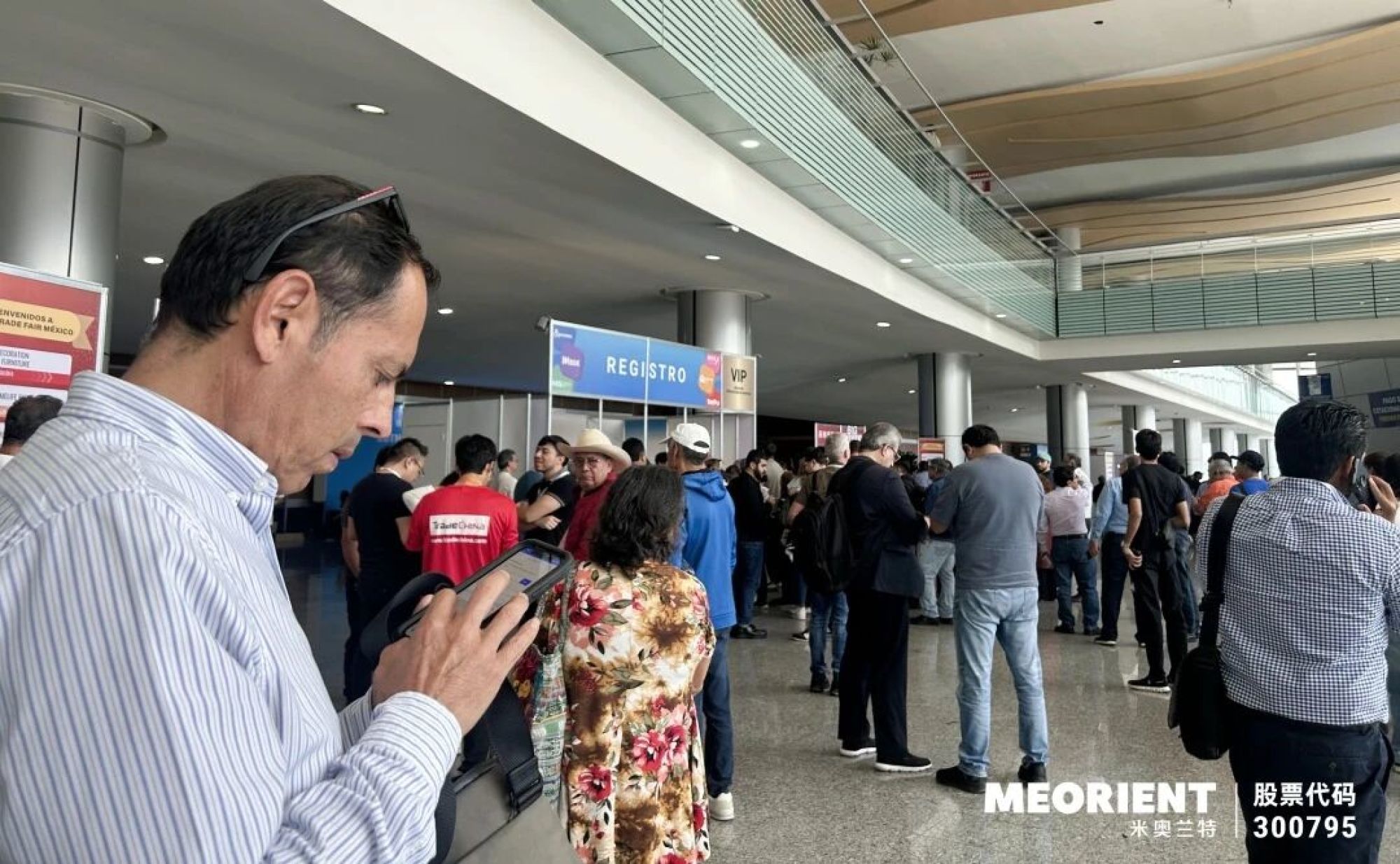
The 11th Mexico Expo
Bringing Made-in-China Products Truly into Latin American and North American Markets
September 8–10 | Santa Fe Convention Center
The 11th Mexico HOMELIFE Expo
Providing Chinese Export Companies
with a Tangible and Convertible Market Entry Path
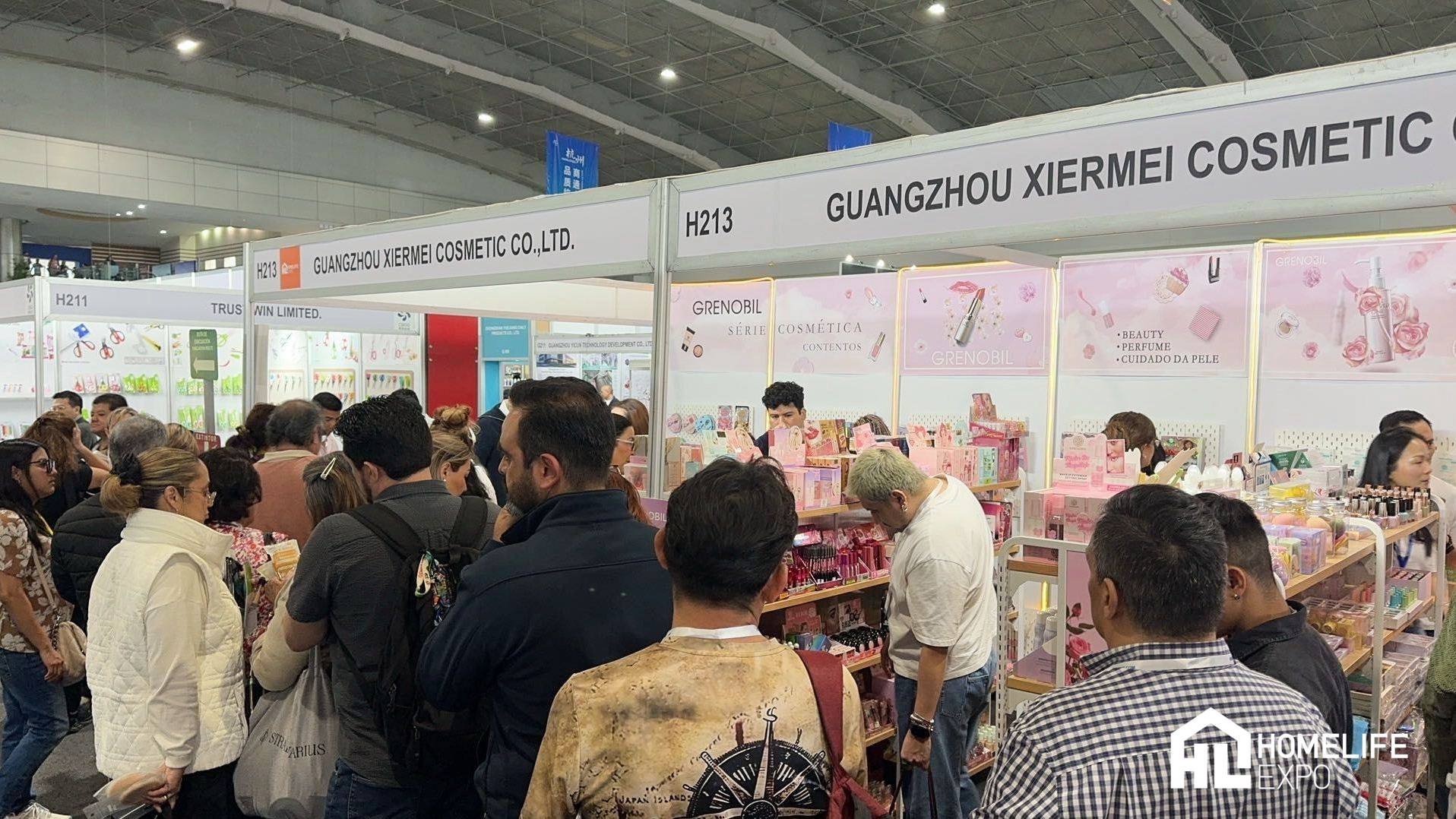
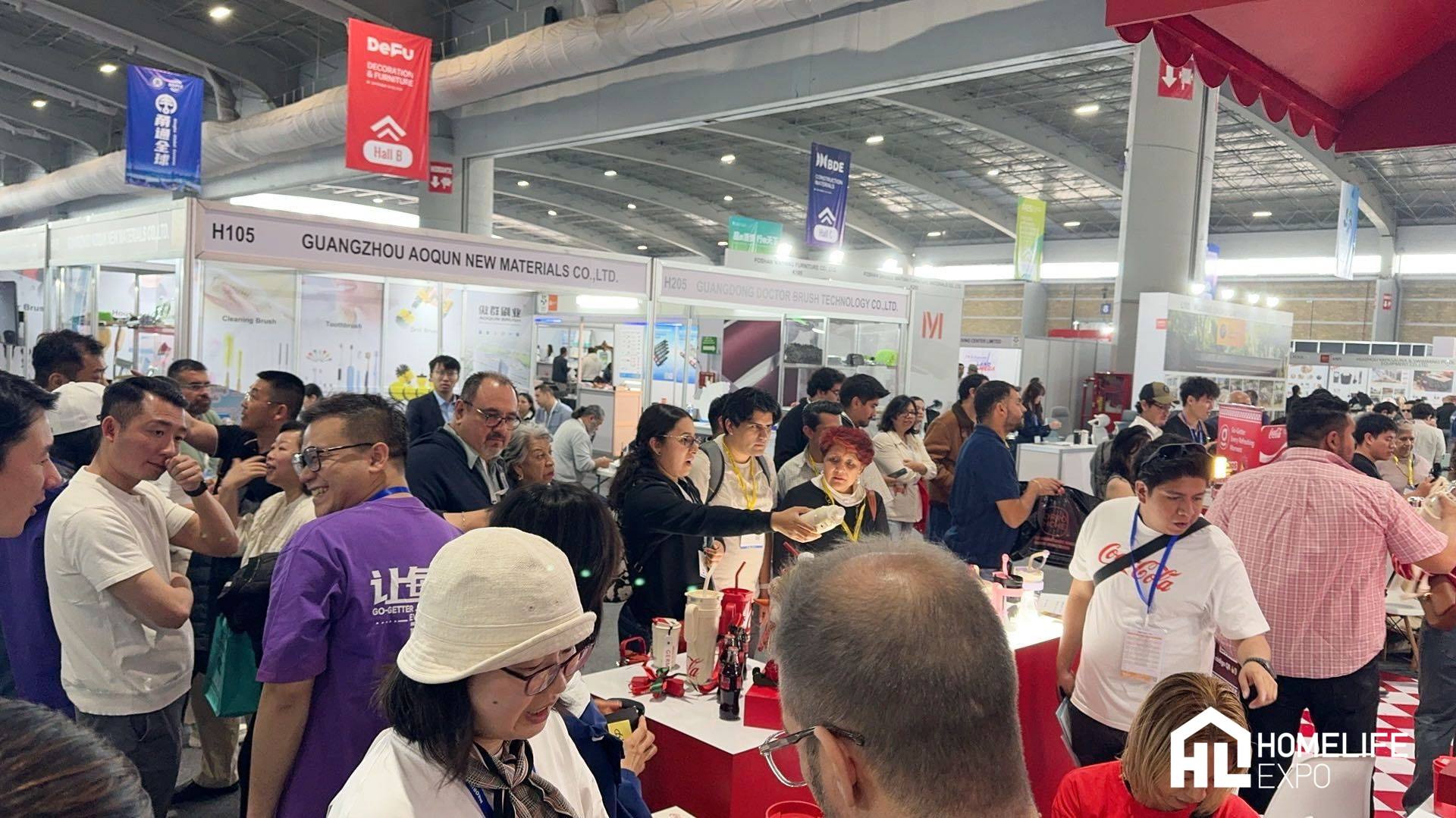
A database of over 30,000 targeted buyers, covering the entire Latin American procurement network.
The exhibition leverages a database of over 30,000 targeted buyers, covering the full-channel procurement network including chain retail groups, local ODM/OEM partners, cross-border e-commerce sellers, and regional distributors, providing companies with both order matching and market development value.
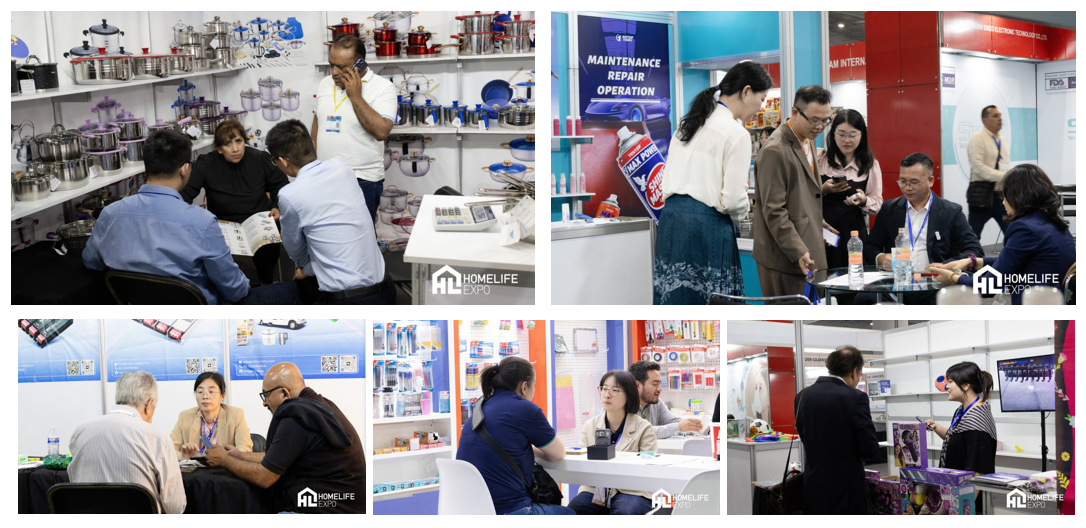
AI Smart Expo empowers the entire exhibition chain and restructures exhibition efficiency.
Relying on the AI Smart Expo intelligent ecosystem, the entire exhibition process integrates cutting-edge AI technologies and hardware devices. With a smart matching algorithm for buyers and sellers as the core engine, combined with multi-dimensional efficiency enhancement tools and interactive terminals such as AI glasses, it builds a full-chain service system covering pre-exhibition demand coordination, precise negotiations during the exhibition, and post-exhibition business opportunity tracking. This digital solution not only reshapes the overseas exhibition experience for enterprises but also uses intelligent methods to address the challenges of entering emerging markets, building an efficient bridge for cross-border trade, and helping Chinese enterprises deeply tap into regional business potential.

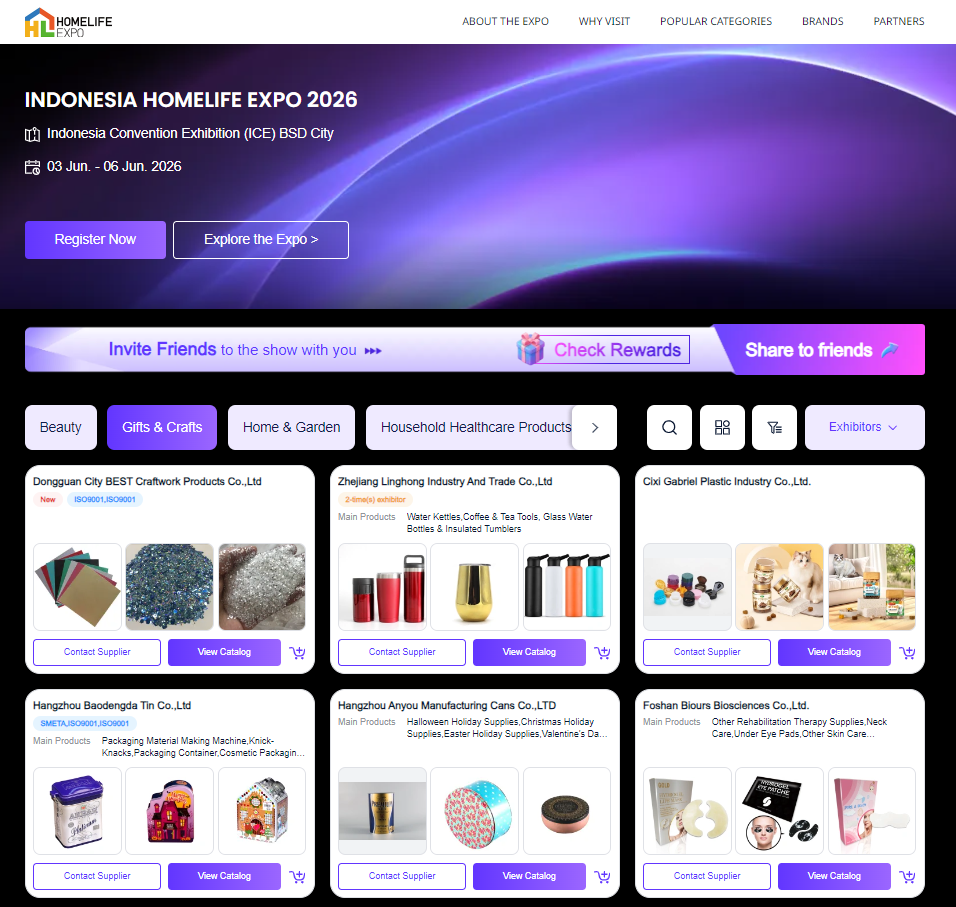
Pre-show platform launches, capturing buyers' 'first glance'
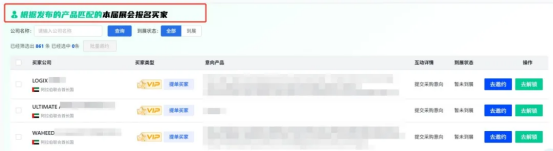
From 'passively waiting for customers' to 'actively securing them.' Before the exhibition, companies can test product popularity and accurately connect with potential buyers through the HOMELIFE pre-show platform.
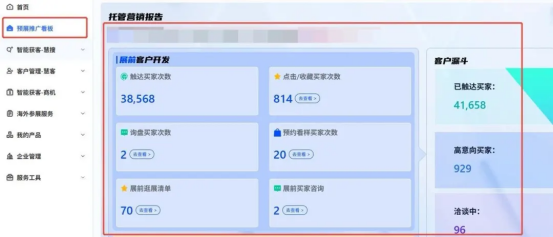
Real Overseas Traffic and Data Feedback
No need to wait. Once your product is uploaded to the platform, it will be directly showcased to the large overseas buyer community aggregated by our platform. You can clearly see core data such as popular search keywords, product views, interested buyers, and proactive engagement.This real data is the most direct basis for you to assess the market acceptance of your product.
Four Basic Rights
- Open a store for free
- Upload 10 showcase products for free
- Upload 100 new products for free to participate in official promotion activities
- Invite inquiry buyers to the exhibition unlimited times for free
Five Additional Rights After Product Upload
New store and new products receive weighted exposure: Newly uploaded products receive 15 days of weighted exposure, appearing first in buyer searches and recommendations.
Smart recommendations, precisely reach intended buyers: When buyers search or inquire about similar products on the platform, the products are prioritized for recommendation to them, further increasing exposure and transaction opportunities.
Omni-channel promotion, accurately recruit buyers: The exposure range is not limited to the exhibiting country. Using product tags to identify buyer profiles efficiently and accurately recruits matching buyers.
Priority access to high-value recommended buyer lists: Based on product tags, receive precisely matched high-quality buyers, allowing early invitation, review, and locking of high-intent business opportunities.
Post-exhibition remarketing: Continue to reach platform buyers after the exhibition, allowing promotions to keep spreading and achieving wider influence.
Global intelligent promotion, tens of millions of worldwide exposures
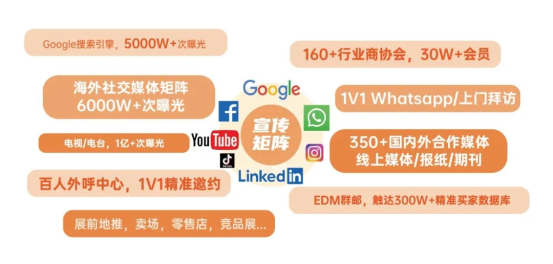
This exhibition has continuously attracted attention and coverage from local Mexican overseas media. Using a data-driven strategy, it integrates major overseas social promotion platforms such as YouTube, Google, Facebook, Instagram, LinkedIn, and TikTok to build a comprehensive online media matrix for promotion. At the same time, it combines local teams for offline appointments with key buyers, organizes press conferences, and places outdoor advertisements. Throughout the year, it maintains operations across more than 12 exhibition marketing channels, achieving 360° full exposure for the event, with an average of over 11 million exposures per exhibition.
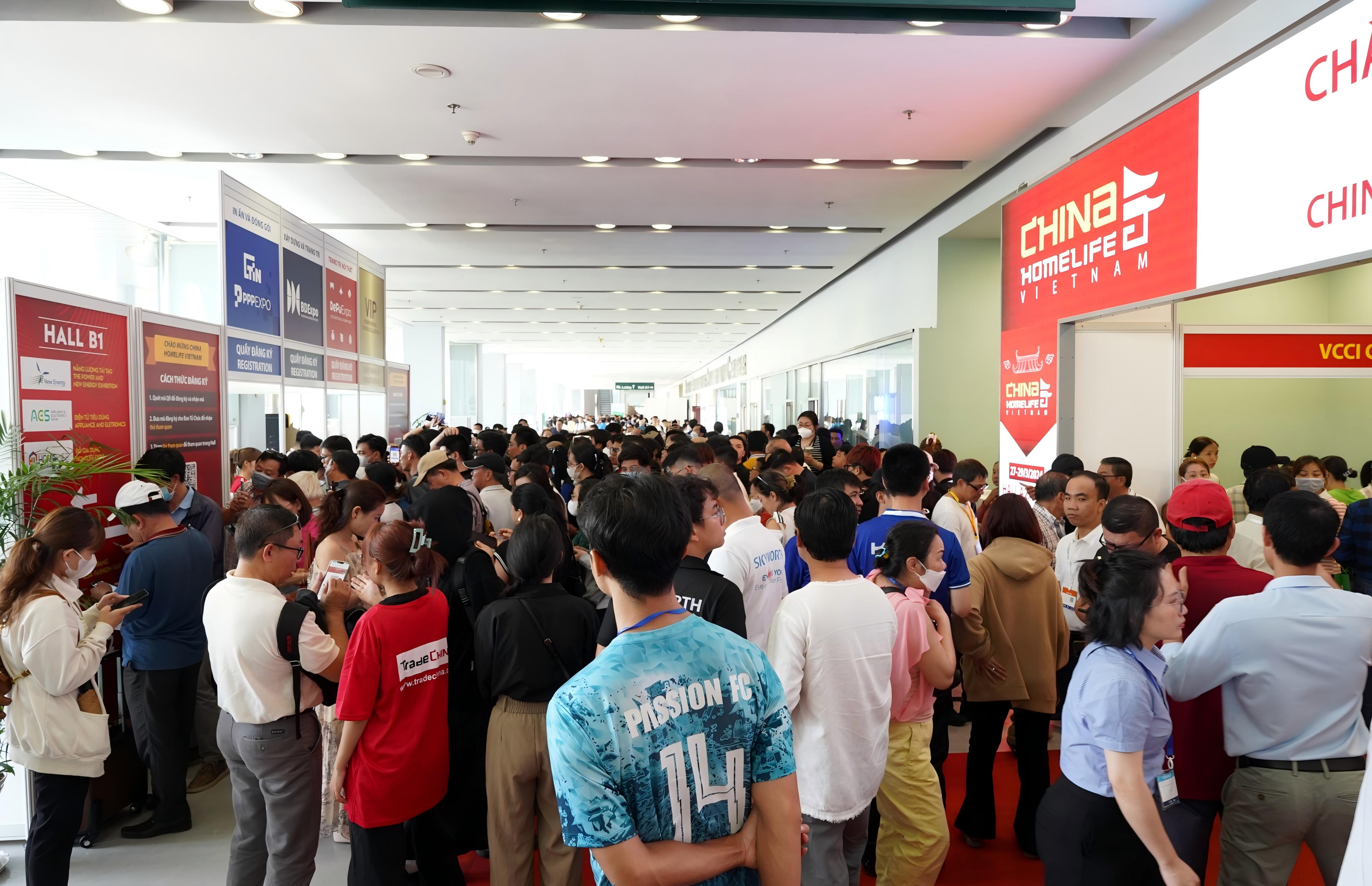
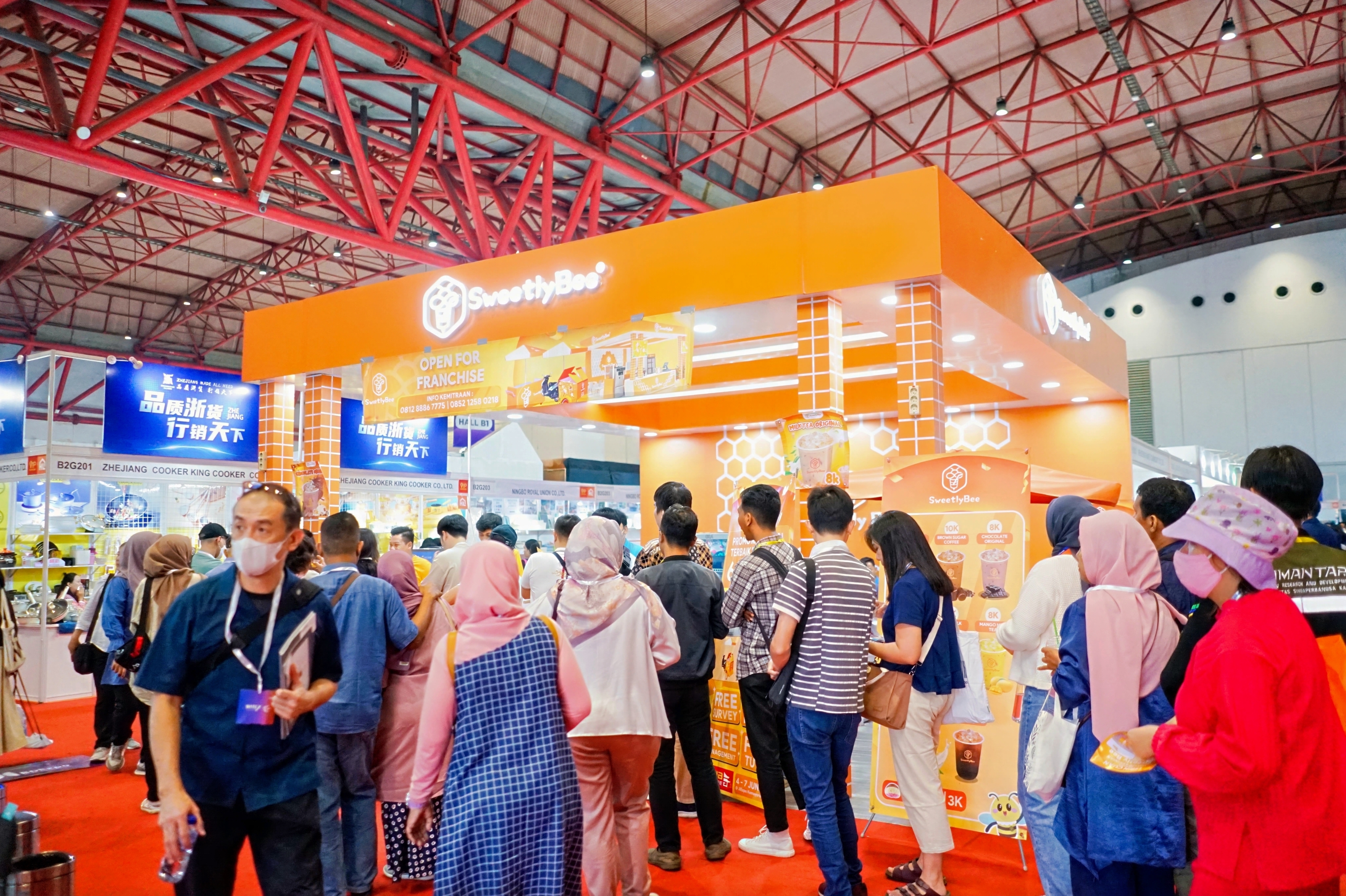
Going overseas is no longer just about crossing distances, but about truly bringing Made in China products into local markets. In 2026, let's meet at HOMELIFE Mexico, a key stop at the crossroads of Latin America and North America.

Sign up now and seize the business opportunity






 浙公网安备33019202002778号