


HOMELIFE Brand Overseas Exhibition Series | Saudi Arabia Stop: "Not Just 'New', But 'Precise'", Seize the New Value Highland in the Middle East by Leveraging Saudi Vision 2030!
As global expansion shifts from "scale-driven growth" to "value-focused cultivation", the gap between enterprises no longer lies in "how far they have gone", but in "how accurately they have chosen their paths".
Against the backdrop of a reshaping global economic landscape, intensifying regional demand divergence, and continuously rising compliance thresholds, an increasing number of enterprises are gaining a clear realization: the core of going global lies in identifying a certain track that aligns with trends, targets precise demands, and enables easy implementation.
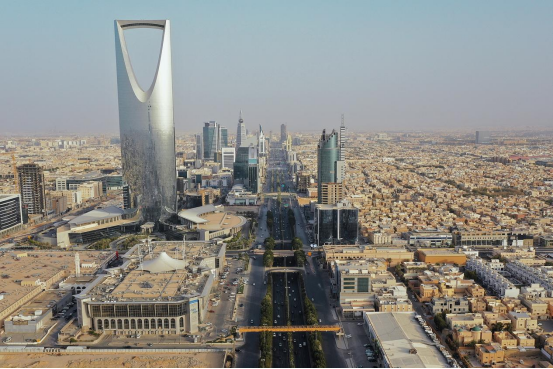
A truly high-value market never lacks potential; what it lacks is the precise alignment between potential and actual strength. In the Middle East, a land brimming with transformative dynamism, Saudi Arabia stands out as such a rare, high-certainty choice of exceptional quality.
It is not just about being "new", but more importantly, about being "accurate".
What is "new" is the era-long transformation from an oil kingdom to a rising consumer star;
What is "accurate" is the resonant alignment between policy dividends and market demand.
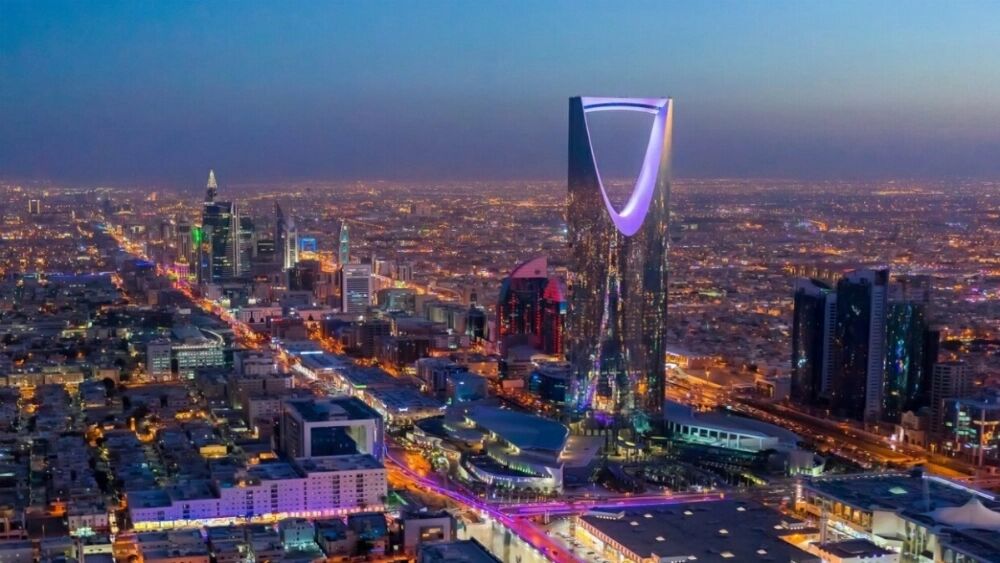
The Core of Middle East Consumption Under the "Vision 2030"
Five Dimensions Build a High-Certainty Pillar for Global Expansion
Saudi Arabia, a market driven by national strategies, ignited by Consumption Upgrade, and with a strong hunger for high-quality supply chains, is no longer a promising "potential stock" for the future. Instead, it has become a real battlefield where orders are being fulfilled, channels are being restructured, and brands are taking root, serving as the strategic anchor for Chinese enterprises going global in the Middle East.
1. Driven by national strategies, the non-fuel economy is entering a period of explosive growth
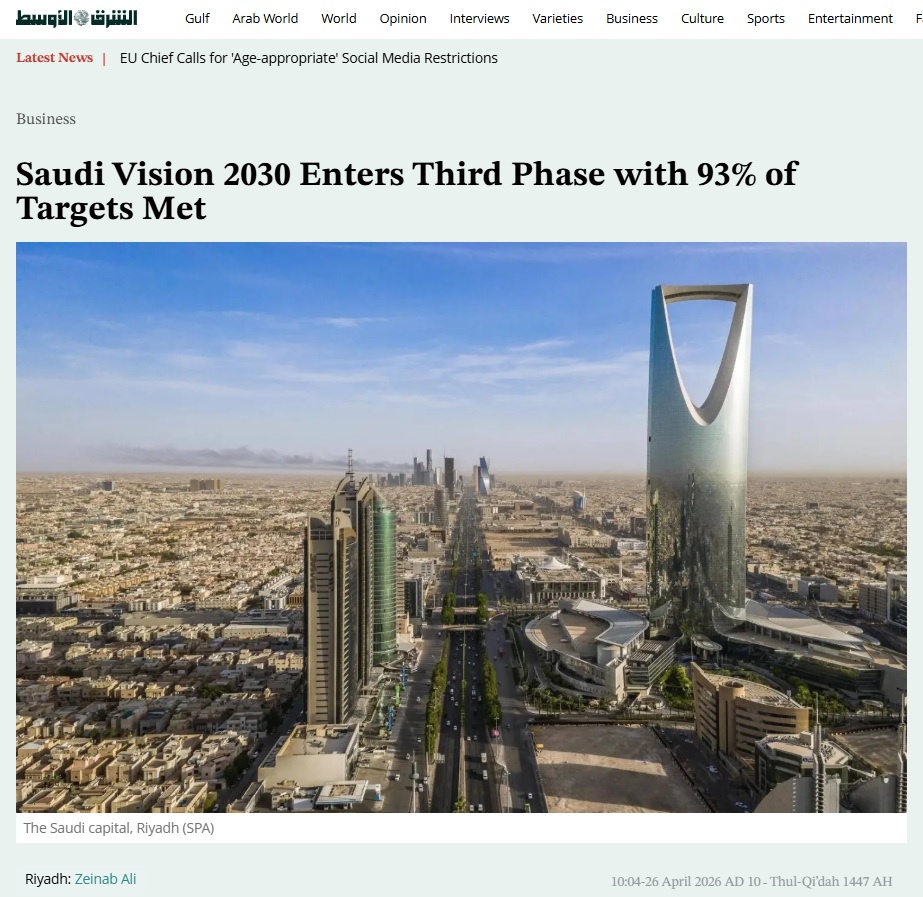
Saudi Arabia's "Vision 2030" is being advanced in depth, with the core goal of shaking off dependence on the oil economy and vigorously developing non-oil industries such as cultural tourism, entertainment, real estate and retail, which has given rise to massive new demand. In 2025, Saudi Arabia's GDP reached 1.31 trillion US dollars, the contribution rate of non-oil industries to GDP has risen to 55%, and the real GDP in the first quarter of 2026 increased by 3% year-on-year, becoming the core engine of economic growth.
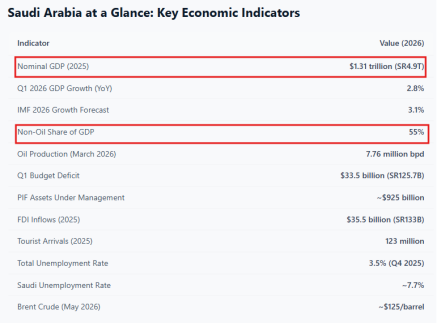
▲The contribution rate of Saudi Arabia's non-oil industry to GDP has risen to 55%
2. Policy dividends continue to increase, and China-Saudi Arabia trade has entered a period of efficient collaboration
As a member state of the Gulf Cooperation Council (GCC), Saudi Arabia applies a uniform 5% Import Tariff, with transparent and stable trade rules that provide a level playing field for Chinese manufacturing. China has held the position of Saudi Arabia's largest trading partner for consecutive years, and the bilateral trade volume between China and Saudi Arabia reached 32.372 billion USD from January to April 2026, with home appliances and consumer goods becoming key areas for introduction.
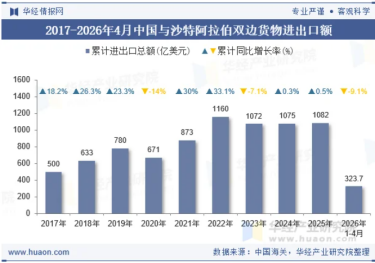
▲Schematic Diagram of Bilateral Goods Import and Export Volume between China and Saudi Arabia
Meanwhile, Saudi Arabia’s "Look East" strategy is deeply aligned with China’s Belt and Road Initiative, and bilateral cooperation in areas such as customs clearance facilitation and tax coordination continues to deepen. After the launch of the Fasah Value Added Tax refund system in 2025, it provided Chinese enterprises with a channel to offset import Value Added Tax by registering as an Importer of Record (IOR). In 2026, this system, serving as the single customs window operated by Saudi Arabia’s Zakat, Tax and Customs Authority (ZATCA), has been fully operational on a regular basis, continuously helping enterprises cut time and compliance costs through functions including paper document reduction, automated processes and electronic payment.
3.The housing expansion cycle kicks off, triggering a bulk release of inelastic demand for home goods
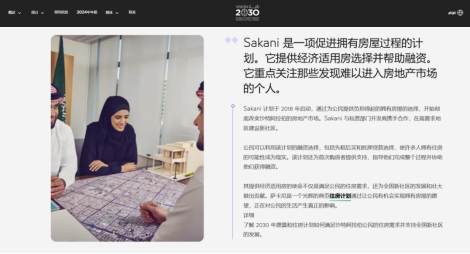
The Saudi government has launched key housing projects such as the "Sakani" residency scheme, planning to add hundreds of thousands of subsidized and commercial housing units in the coming years, which will drive explosive growth in the home consumption market. Infrastructure projects including schools, hospitals and commercial work spaces supporting new communities will generate sustained bulk procurement demand, providing a stable market base for categories such as home daily necessities and kitchenware. As a core supplier of home products to Saudi Arabia, China boasts a high export share and its products are widely recognized locally.
4.With the demographic dividend and Consumption Upgrade coming together, demand for quality has become the mainstream
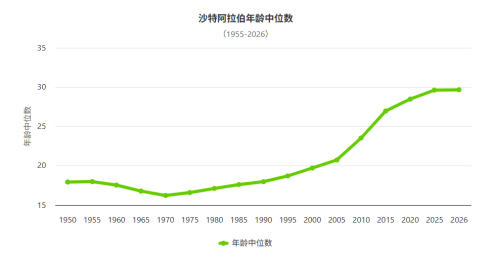
With a median age of 29.7, Saudi Arabia’s consumer market is dominated by the younger generation, whose pursuit of a higher quality of life is driving demand to upgrade from "basic functionality" to "design sensibility, personalization and health orientation". As a high-income economy, Saudi Arabia ranks among the top in the Middle East in terms of per capita Disposable Income, with the middle class accounting for 45% of the population. Consumers are willing to pay a premium for high-quality products and culturally compatible designs — home products favor modern styles that integrate Arab elements, beauty and personal care products lean toward natural ingredients and premium formulas, and kitchen and dining items prioritize health and environmental attributes, which creates broad market space for value-oriented products from Chinese enterprises.
5.Rapid penetration of e-commerce drives remarkable growth in online channels
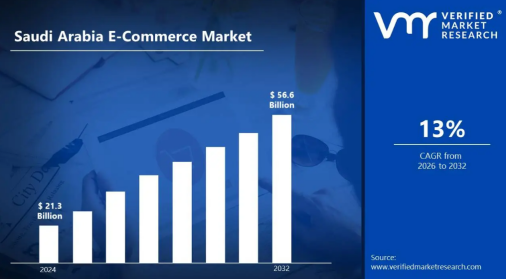
Saudi Arabia is one of the Middle East’s fastest-growing e-commerce markets, with its e-commerce sector valued at USD 21.3 billion in 2024, projected to reach USD 56.6 billion by 2032, representing a compound annual growth rate of 13% from 2026 to 2032. Leading platforms including Noon, Amazon. sa and Haraj have become core channels for Chinese brands to directly reach local consumers; in major cities such as Riyadh and Jeddah in particular, the online shopping penetration rate among young people exceeds 70%. E-commerce channels not only lower the threshold for market entry, but also cover niche demands via the "long tail effect", enabling categories such as personalized gifts and functional home goods to achieve rapid sales volume growth, and forming a whole-link expansion path of "online volume scaling + offline channel deployment".
6.The clustering of large-scale events has driven incremental consumer demand
Saudi Arabia has secured the hosting rights for the 2027 AFC Asian Cup and the 2034 FIFA World Cup. It is currently in the early preparation phase, advancing the construction and renovation of over ten professional stadiums, 134 training facilities, more than 230,000 hotel rooms, and a large number of commercial supporting facilities. Its bulk procurement demands cover sports equipment, outdoor camping gear, hotel furnishings, and commercial kitchenware, while the inbound tourist flow driven by the events will also boost retail consumption in categories such as souvenirs, specialty gifts, and portable cosmetics.
The concentrated release of demand in infrastructure, cultural tourism and consumption across the board has created clear market space for Chinese enterprises. Currently, we are at a critical window for venue construction and commercial supporting facilities preparation. Given Saudi Arabia's limited local production capacity and heavy reliance on imports across multiple categories, the advantages of Chinese manufacturing in terms of cost-effectiveness and flexible customization perfectly align with such demand. Advance deployment is expected to help Chinese enterprises break into Saudi Arabia's engineering procurement and retail consumption sectors, and secure stable orders for the coming years by leveraging the event-driven economy.
The Upgrading Window
from "Basic Consumption" to "Quality Life"
Among the categories of China's exports to Saudi Arabia, the proportion of home furnishings, gifts and consumer goods continues to expand. Driven by the dual factors of Saudi Arabia's "Consumption Upgrade + policy dividend", five core tracks are embracing clear growth opportunities.
1.Household Daily Necessities: Driven by the dual engines of inelastic demand and upgrading, the market scale expands steadily
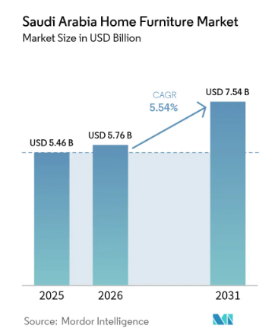
The Saudi household products market boasts tremendous growth potential. In 2025, the size of Saudi Arabia's home furnishing market stands at USD 5.46 billion, and it is projected to grow to USD 7.54 billion by 2031, representing a compound annual growth rate (CAGR) of 5.54% from 2026 to 2031.
Core Demand Track
Space-saving products for small-sized dwellings: New residential properties in Saudi Arabian cities are continuously shifting towards small-sized and compact apartments, driving up the popularity of products such as foldable home goods, built-in storage solutions, and lightweight modular shelving units, which effectively address the local pain points of insufficient storage and the need for multi-functional space in small living spaces.
High-quality daily household essentials: The local climate featuring high temperatures and frequent sand-dust, coupled with rising public awareness of household health, has driven robust sales of daily necessities with inelastic demand, such as antibacterial cleaning tools, rust-proof and weather-resistant kitchen and bathroom fittings, as well as dust-proof and moisture-proof accessories. This category of products boasts a high Re-purchase Rate, sees massive procurement from supermarkets, property management companies and hotels, and consumers are willing to pay a premium for products that are durable, easy to clean and equipped with antibacterial protection properties, representing a huge market base with stable demand.

2.Kitchen & Dining Supplies: Halal Certification + Eco-Friendly Trend, Precisely Targeting Market Pain Points
The Saudi kitchenware market size reached USD 528 million in 2025, and it is projected to grow to USD 941.4 million by 2033, registering a robust compound annual growth rate of 7.5% from 2026 to 2033. Leveraging mature environmental protection technologies, flexible customization capabilities and cost control advantages, Chinese enterprises can precisely meet the diverse order demands of Saudi Arabia, boasting prominent competitiveness in overseas expansion.
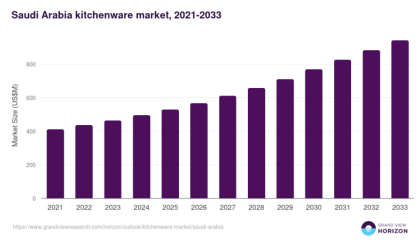
▲Saudi Arabia's kitchenware market size maintained steady and continuous growth from 2021 to 2033
Core Demand Track
Commercial Halal Catering Kitchenware: The opening of Saudi Arabia's cultural tourism sector and the expansion of the hotel and catering industry have driven bulk procurement demand for commercial standardized kitchen and dining equipment, large-capacity kitchenware, and supporting catering consumables. It is worth noting that, influenced by local religious culture, the Saudi market gives priority to products with Halal certification. For commercial equipment, utensils and consumables that come into direct contact with Halal food, their materials and production processes must comply with Halal standards. Therefore, certified products often have significant advantages in bulk supply.
Sustainable and Eco-friendly Foodservice Products: Against the backdrop of the global sustainable development trend, the demand for eco-friendly products in the Saudi market has surged. Taking the biodegradable plastics market as an example, its compound annual growth rate reaches as high as 12.2%. With the popularization of local consumption concepts of health and biodegradability, the demand for green products such as PLA biodegradable food containers and antibacterial kitchen utensils and storage containers has exploded, leaving huge room for incremental growth in segmented sectors.
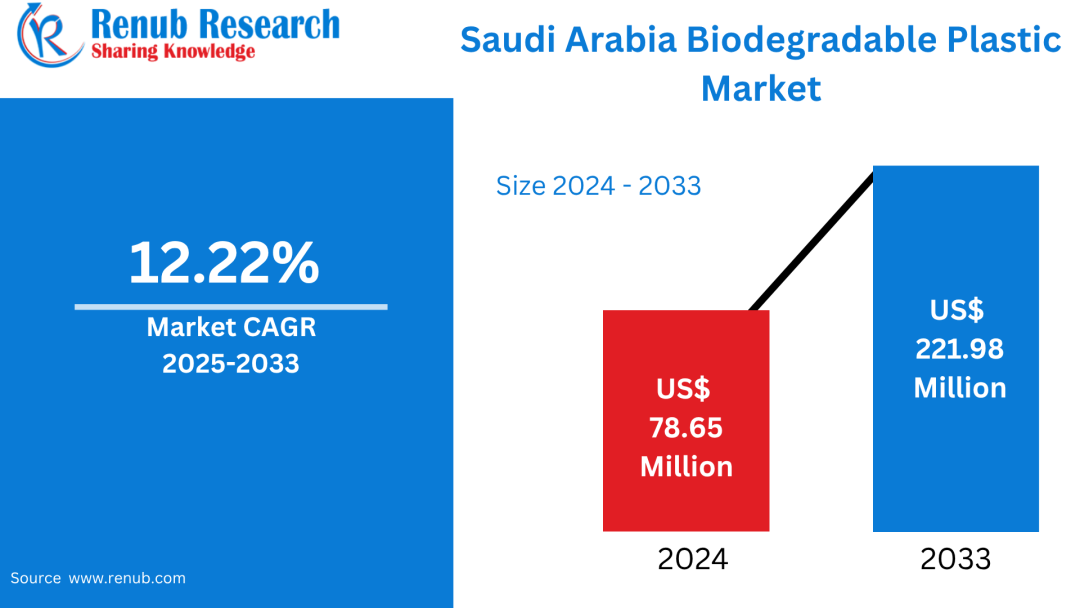
▲2024-2033 Saudi Arabia Degradable Plastics Market CAGR
3.Beauty & Personal Care: Premiumization and Naturalization, Online Channels Become Growth Engines
The Saudi beauty and personal care market boasts strong consumer spending power. In 2025, the revenue of Saudi Arabia's cosmetics market stands at approximately 899.8 million US dollars, and it is projected to grow to 1.084 billion US dollars by 2030. There is robust consumer demand for high-moisturizing skincare products, rich-scented perfumes, and hair care products with natural ingredients, while halal certification and ingredient safety have become key purchasing factors.
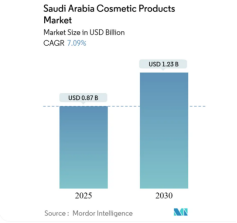
Online channels serve as the core growth engine
With full internet penetration in Saudi Arabia and the younger generation’s heavy reliance on online consumption, social commerce has become a core growth channel for the beauty and personal care sector. TikTok, Instagram, Noon and Amazon Saudi Arabia have formed a traffic matrix, driving explosive growth in categories such as makeup tools, niche fragrances and body care. Platforms are prioritizing support for the beauty category, where short videos offer intuitive demonstrations of products including makeup, fragrances and body care items, allowing small and medium-sized cross-border brands to reach customers across the country without heavy offline investment.
4.Outdoor Leisure and Sports Goods: Diverse Demand Driven by Booming Events and Fitness Trends
The event economy is injecting strong impetus into Saudi Arabia's outdoor sports goods market. A series of international events represented by the 2034 World Cup are driving the growth of demand across the entire industrial chain, including professional competitive equipment and fan-related merchandise.
Deep Market Insights predicts that the market size of sporting goods in Saudi Arabia will be $13.19 billion in 2025 and is expected to grow to $29.97 billion by 2034, with a compound growth rate of 9.43% from 2026 to 2034. The trend of national fitness is rising synchronously, with a significant increase in the participation rate of physical exercise, a significant increase in the number of sports facilities, and the increasing popularity of popular outdoor activities such as hiking, rock climbing, and cycling, promoting the rapid growth of segmented categories such as hiking equipment, climbing equipment, and sports backpacks.
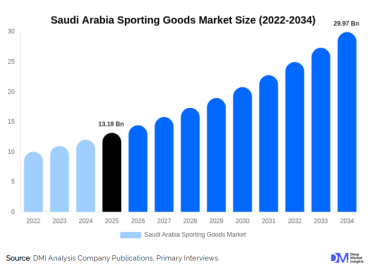
▲Growth Trend of Saudi Arabia's Sporting Goods Market from 2022 to 2034
Core Demand Track
Professional Sports Equipment for Competitions: Saudi Arabia's "Decade-Long Golden Cycle of Events" is driving the upgrading of sports infrastructure, leading to a surge in demand for competition-related gear and professional sports equipment procurement. Backed by long-term high market growth expectations, large-scale orders from both government and enterprises are being steadily released. The segment focusing on standardized, mass-produced and durable professional sports equipment constitutes a core track for large-volume B-end procurement, with key cooperation clients primarily consisting of government infrastructure contractors, event organizers and large-scale sports distributors.
Home fitness and lightweight outdoor leisure gear: The implementation of the national fitness initiative has driven mass demand for sports, making home fitness equipment such as treadmills and spin bikes, as well as outdoor gear for hiking and camping popular consumer items, with cost-effective and lightweight products being particularly favored by the market. Meanwhile, as women's participation in sports rises, exclusive sportswear and accessories have emerged as a new blue ocean market.
5.Gifts and work supplies: Scenario-based demand is surging, with high reliance on imports
The Saudi gift market continues to grow steadily. The local culture of gift-giving during festivals and for business exchanges is prevalent, and the market's inelastic demand remains stable over the long term. There is a notable gap in the local supply of gifts with local characteristics, and the customer base covers gift distributors, corporate procurement teams, and the gift sections of supermarkets and hypermarkets.
Core Demand Track
Souvenirs and Cultural and Creative Products: The Saudi Arabia novelty gifts and souvenirs market reached USD 1,823.13 million in 2024, and is projected to hit USD 3,190.62 million by 2033. Saudi Arabia boasts a vibrant gifting culture, with steady year-round demand for festive giveaways and custom corporate gifts, while there is a huge supply gap for personalized metal badges and light luxury cultural and creative gifts that integrate local cultural elements.
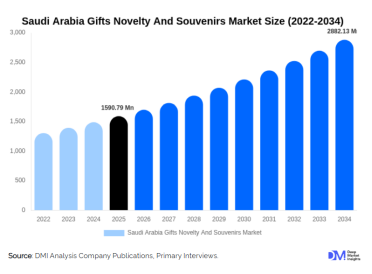
▲2022-2034: Saudi Arabia's gift and souvenir market size continues to rise
Full-category work supplies: The Saudi work supplies market was valued at 220 million U. S. dollars in 2024. On the education side, over 6,800 schools generate inelastic demand for work supplies during the back-to-school season; on the business side, the entry of multinational enterprises drives bulk procurement for office buildings. Categories such as paper, writing instruments, and work storage enjoy stable demand and a high Re-purchase Rate, while the insufficient local supply capacity means a heavy reliance on imports to fill the gap.
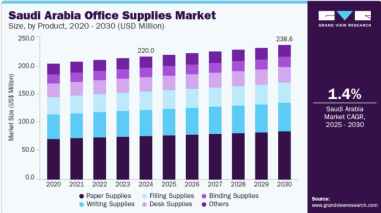
▲2020-2030 Saudi Arabia work supplies market size grows steadily
HOMELIFE makes every overseas expansion precise and efficient
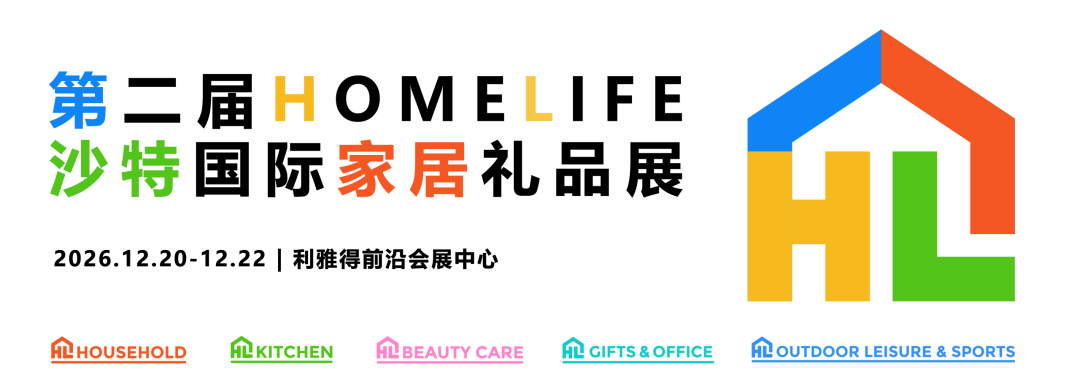
As the tide of the global market shifts toward the new blue ocean of the Middle East, Chinese enterprises are accelerating their overseas expansion to set a firm course for Saudi Arabia. HOMELIFE Saudi Arabia International Home & Gift Exhibition bridges the foundation of China-Saudi trade and the opportunities under the "Vision 2030", leverages digital tools to solve the challenges of cross-border matchmaking, and empowers Chinese manufacturing to evolve from "going global" to "taking root locally".
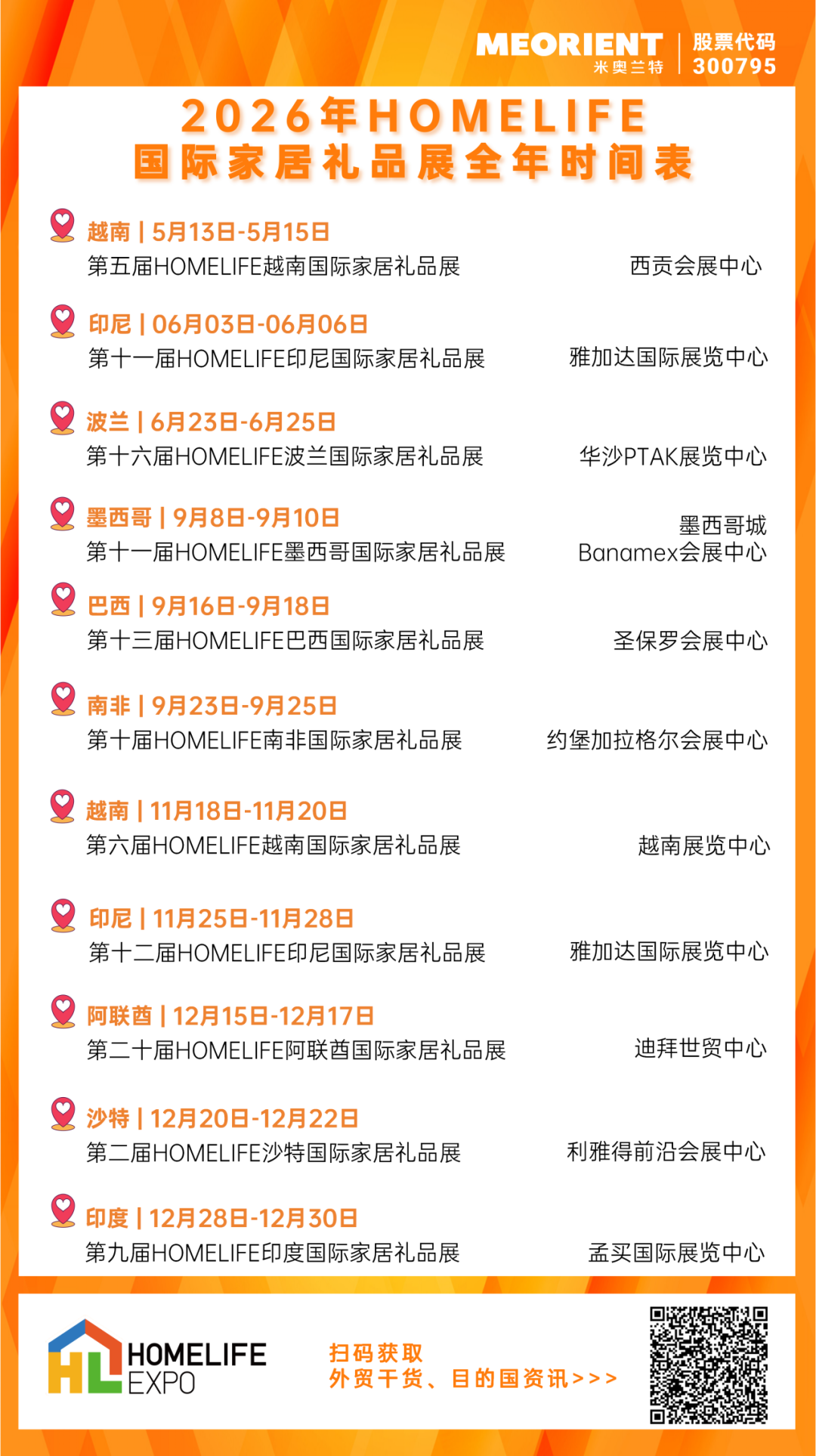
2nd HOMELIFE Saudi International Home & Gift Exhibition
12.20-12.22 | Riyadh Front Exhibition & Conference Center
Precisely align with the core demands of the Middle East
paves a path for Chinese enterprises going global
The Road to Profitable Growth in the Middle East with High Adaptability and High Conversion Rates
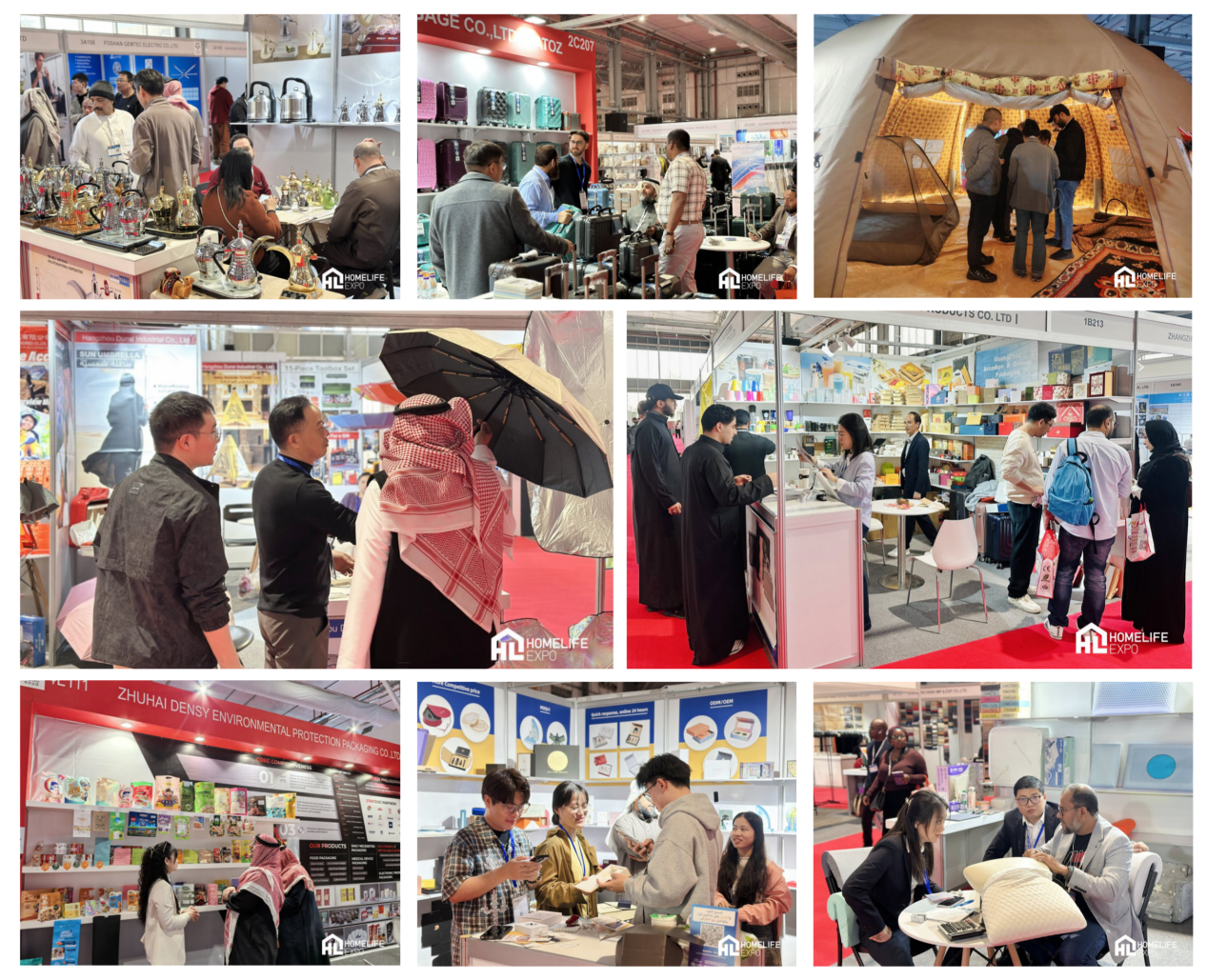
1.Five core category matrix, reconstructing regional market business opportunities
It brings together five major categories: household daily necessities, kitchen and dining supplies, gifts and work, beauty and personal care, and outdoor leisure sports, to accurately meet regional consumer demands. Leveraging the collaborative advantage of the full product range, it creates diversified business opportunities for partners.
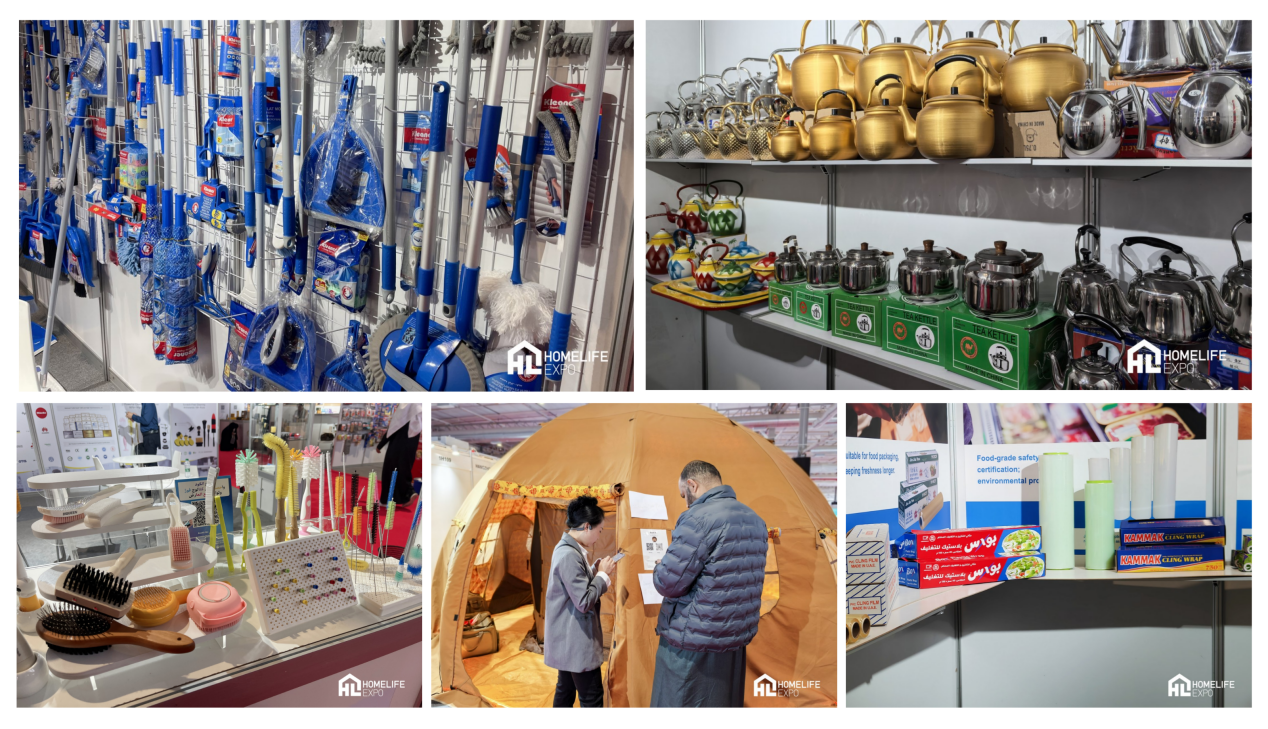
2.A database of over 30,000 targeted buyers, covering all procurement channels across the Middle East
Backed by a database of over 30,000 targeted buyers, the exhibition covers an omni-channel procurement network including chain retail groups, local ODM/OEM partners, cross-border e-commerce sellers and regional distributors, delivering dual value for enterprises in order matching and market penetration.
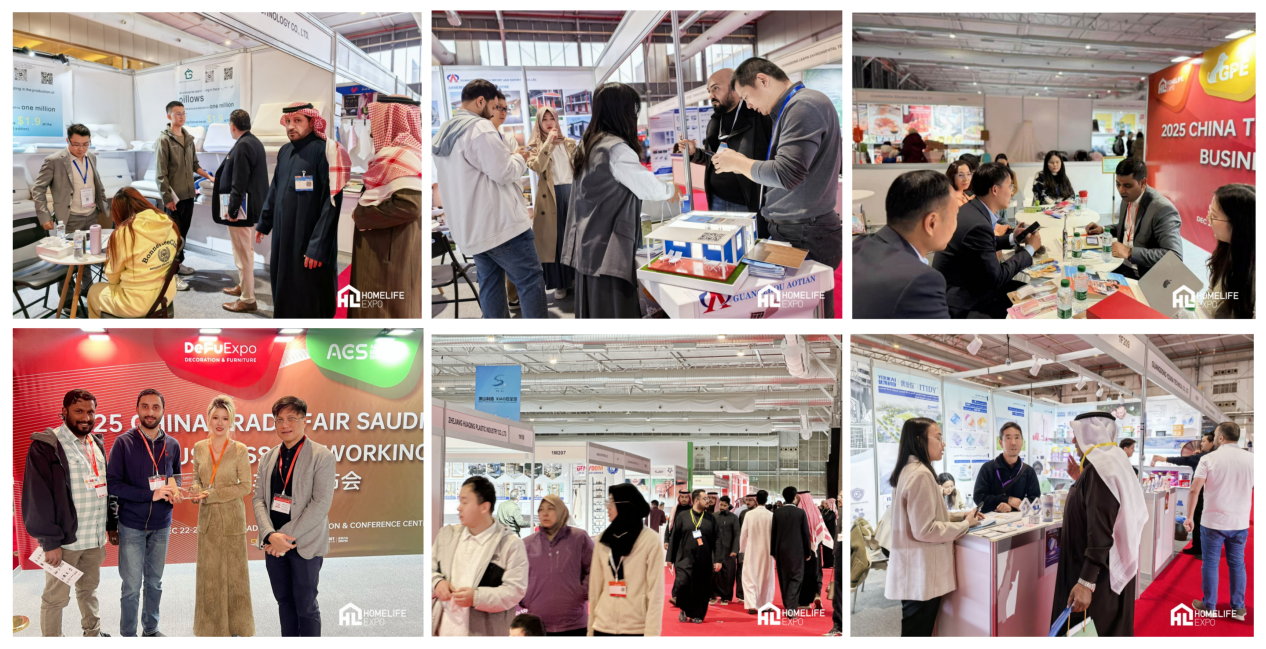
3.Overseas Expansion Genie:Full-Chain Empowerment, Redefine Trade Show Efficiency
Built on the intelligent ecosystem of "Overseas Expansion Genie", the exhibition integrates cutting-edge AI technologies and hardware devices throughout the entire process. With the intelligent matching algorithm for buyers and sellers as the core engine, combined with multi-dimensional efficiency improvement tools and interactive terminals such as AI glasses, a whole-link service system covering pre-exhibition demand docking, in-exhibition precise negotiation and post-exhibition business opportunity tracking is constructed.
This digital solution not only reshapes the experience of enterprises participating in overseas exhibitions, but also addresses the pain points of developing the Eastern European market through intelligent means, builds an efficient connection bridge for cross-border trade, and helps Chinese enterprises deeply tap the regional business potential.

4.Preview platform goes live to capture buyers' first impression
The exhibition has specially created a "pre-exhibition online platform", shifting from "passively waiting for customers" to "actively locking in customers". Before the exhibition, enterprises can test the popularity of their products in advance and accurately connect with potential buyers. After products are uploaded to the platform, they will be directly displayed to the huge overseas buyer community aggregated by our platform. You can clearly view core data such as popular search keywords, product views, information of interested buyers, and the volume of active behaviors.
Meanwhile, we introduce the AI Agent intelligent reception system to realize 24/7 automatic reception of overseas buyers, intelligent product recommendation and inquiry response, as well as automatic lead accumulation and follow-up, so as to improve inquiry conversion efficiency. This enables the brand to become "the first company buyers set eyes on" even before they enter the exhibition, truly achieving: customer acquisition before the exhibition, high transaction volume during the exhibition, and continuous conversion after the exhibition.
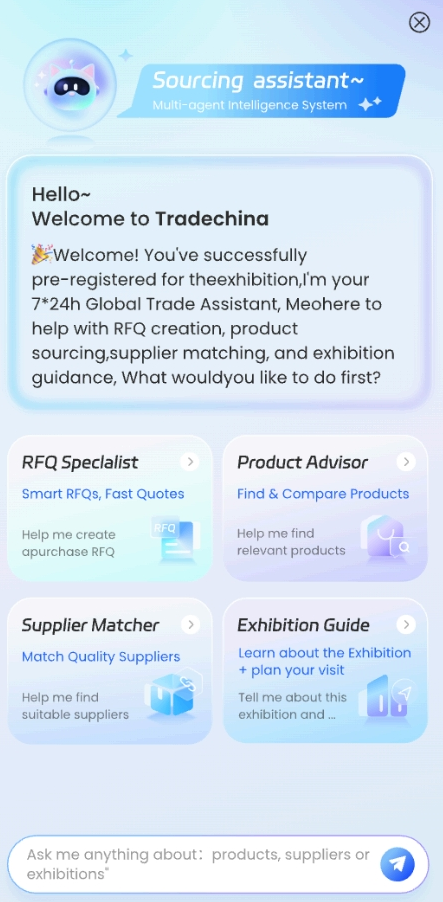
5.AI Video Drives Overseas Marketing Growth
The exhibition pioneers the "StarVision Engine" AI marketing system, focusing on the growth of overseas video marketing for Chinese foreign trade enterprises. Leveraging the capabilities of AI content generation, short-video marketing, social media dissemination, traffic placement and private domain conversion, it creates an O2O commercial closed loop of "online precise exposure + offline efficient transaction". It mainly addresses four major growth challenges faced by foreign trade enterprises: the inability to produce overseas content, lack of targeted traffic, failure to obtain procurement leads, and low conversion efficiency, helping enterprises quickly build digital marketing capabilities and brand influence targeting the Latin American market.

6.Omnichannel intelligent promotion overseas, with tens of millions of global exposures
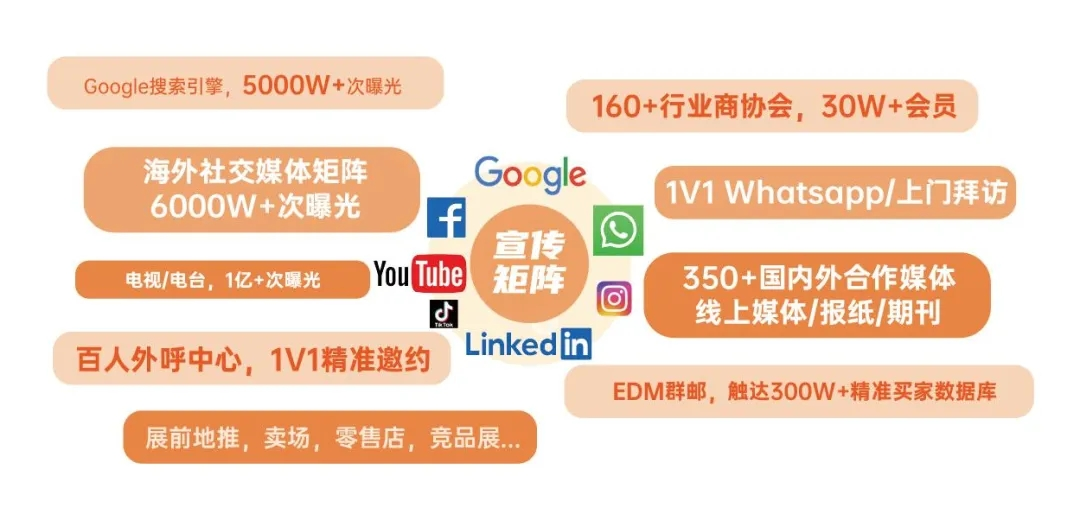
With a Data drive overseas communication strategy, we collaborate with mainstream platforms including YouTube, Google, Facebook, Instagram, LinkedIn and TikTok to build a multi-tiered, three-dimensional international communication matrix, and continuously amplify the global influence of the exhibition and its participating enterprises.
Going global is no longer a one-off trial
but rather to anchor Chinese manufacturing to the core growth drivers of the Middle East
2026
Meet us at HOMELIFE Saudi Arabia Exhibition
Seize the Trillion-Dollar Business Opportunities Under the "Vision 2030"

▲Seize the first-mover advantage in global expansion — scan the code now to consult!

15,000+ square meters of scale
500+ high-quality enterprises
Gather 10,000+ high-quality products
Household & Daily Wares, Kitchen Supplies, Beauty & Personal Care Products, Gifts & Office Supplies, Outdoor Leisure & Sports Supplies...... There are many excellent products in different categories
——————
It's all there
HOMELIFE International Home Gift Exhibition







 浙公网安备33019202002778号