


HOMELIFE Brand Overseas Series Exhibition | South Africa: "Not just 'early,' but also 'stable'", the 2026 South Africa exhibition opens up the most stable consumer gateway in Africa!
Amidst a reshaping global manufacturing landscape, slowing growth in traditional mature markets, and rising costs and uncertainties, going global is no longer a race against time, but rather a choice about stability, certainty, and sustainable development. As more and more Chinese companies turn their attention to Africa, a real question is emerging: The African market is vast, but which stop warrants long-term investment?
Between short-term positioning through "first entry" and long-term, sustainable development, South Africa is increasingly proving to be the optimal solution for many companies. While it may not have been the first market to be hotly debated on the African continent, its solid market foundation has made it a key node for securing stable orders and establishing replicable operational models.

It's not just about being "early," but also about being "stable."
"Early" addresses the order of entry; "stable" determines whether investment can be sustainably scaled up.
As one of the few African countries with a complete retail network, a mature import system, and regional influence, South Africa has long served as a hub connecting its domestic consumption with neighboring markets. Stable middle-class consumption, continuous demand for home furnishings, and close economic and trade relations with China make it a key foothold for Chinese home furnishing and gift companies entering Africa with controllable risks and predictable pace.
Choosing South Africa is not about "securing a position first," but about finding a stable and sustainable path to overseas expansion in the African market.
Why is South Africa the "most stable choice" for venturing into Africa?
China-South Africa trade has a deep foundation, and bilateral cooperation continues to deepen. China has been South Africa's largest trading partner for 16 consecutive years, and South Africa remains China's largest trading partner in Africa. Bilateral trade reached US$53.58 billion in 2025, an increase of US$1.12 billion compared to 2024, representing a year-on-year growth of 2.2%, laying a solid foundation for business cooperation.
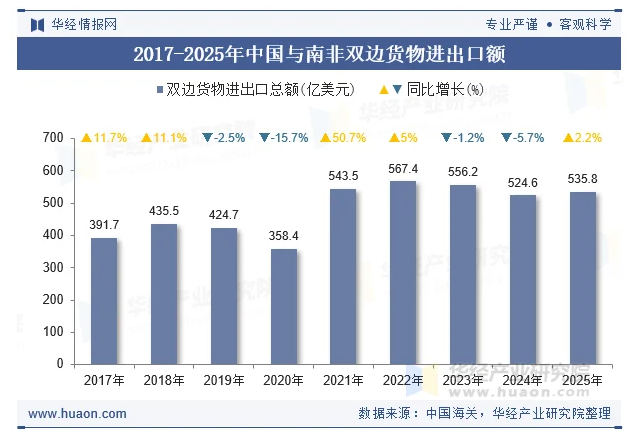
Bilateral trade volume between China and South Africa
Under the framework of the Belt and Road Initiative and the Forum on China-Africa Cooperation, cooperation between the two countries in areas such as trade facilitation and investment protection has continued to upgrade, tariff barriers have been gradually reduced, and logistics channels have been continuously optimized, making it cheaper and more efficient for Chinese-made products to enter the South African market, forming a double benefit of "policy support + market demand".
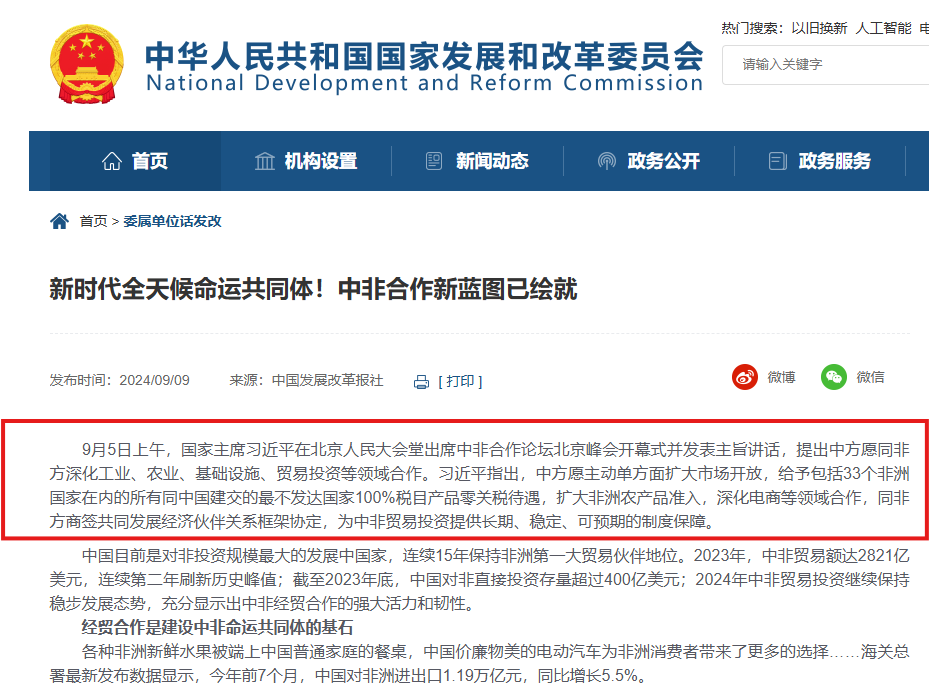
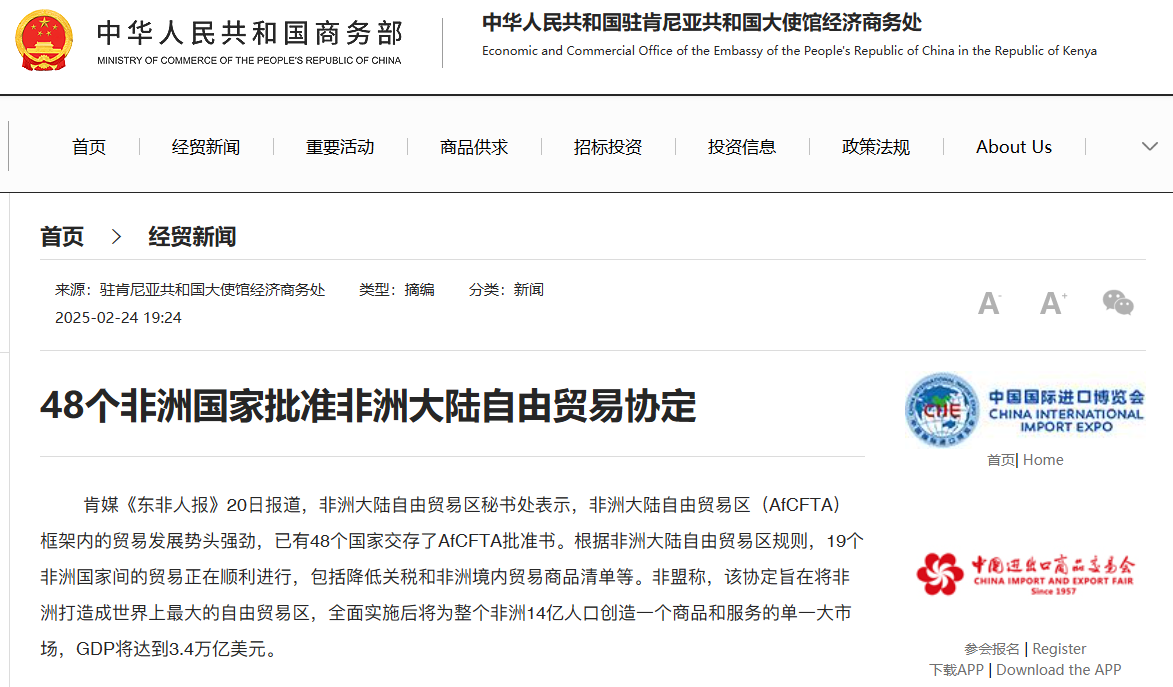
As a regional hub radiating across the entire continent, South Africa provides a one-stop connection to the African market.
Leveraging the advantages of the AfCFTA (African Continental Free Trade Agreement) framework and its mature regional trade network, South Africa has become a core hub connecting Southern Africa and radiating to East Africa. Using South Africa as a node, Chinese enterprises can utilize its well-developed port and railway logistics system to quickly distribute their products to neighboring countries such as Botswana, Lesotho, and Swaziland, forming an overseas expansion path that "starts from South Africa and spreads to the whole of Africa." This achieves efficient expansion through "one-stop layout, full coverage," precisely reaching the African consumer market of over 1.4 billion people.
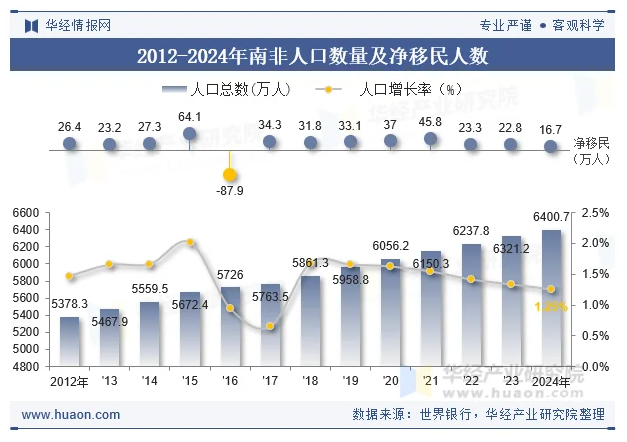
The release of demographic dividends and the continued momentum of consumption upgrading
South Africa boasts a population base of over 64 million, with more than 67% aged 15-64 (the working-age population), indicating a stable release of middle-class consumption power and willingness. As the number of middle-income families increases, the South African consumer market is undergoing a structural shift from a function-oriented to an experience-oriented approach. Consumers' emphasis on product design, user experience, and personalized attributes provides an important window for Chinese home and gift companies to move beyond simple price competition and build long-term brand value.
Consumption Upgrade: Essential Needs + Home Renovation Drive New Market Opportunities
With the expansion of South Africa's middle class and increased demand for family upgrades, "quality home furnishings," "designer gifts," and "personalized products" have become new market hotspots. Chinese manufacturing, with its cost-effectiveness, rapid supply chain response, and flexible production capabilities, possesses a natural advantage in this sector. Furthermore, in China-South Africa bilateral trade, South Africa imports a large quantity of manufactured household goods from China. This means that Chinese home furnishing and gift companies, if they seize the opportunity, can open up market entry points by combining "Chinese products + suitable sales channels."
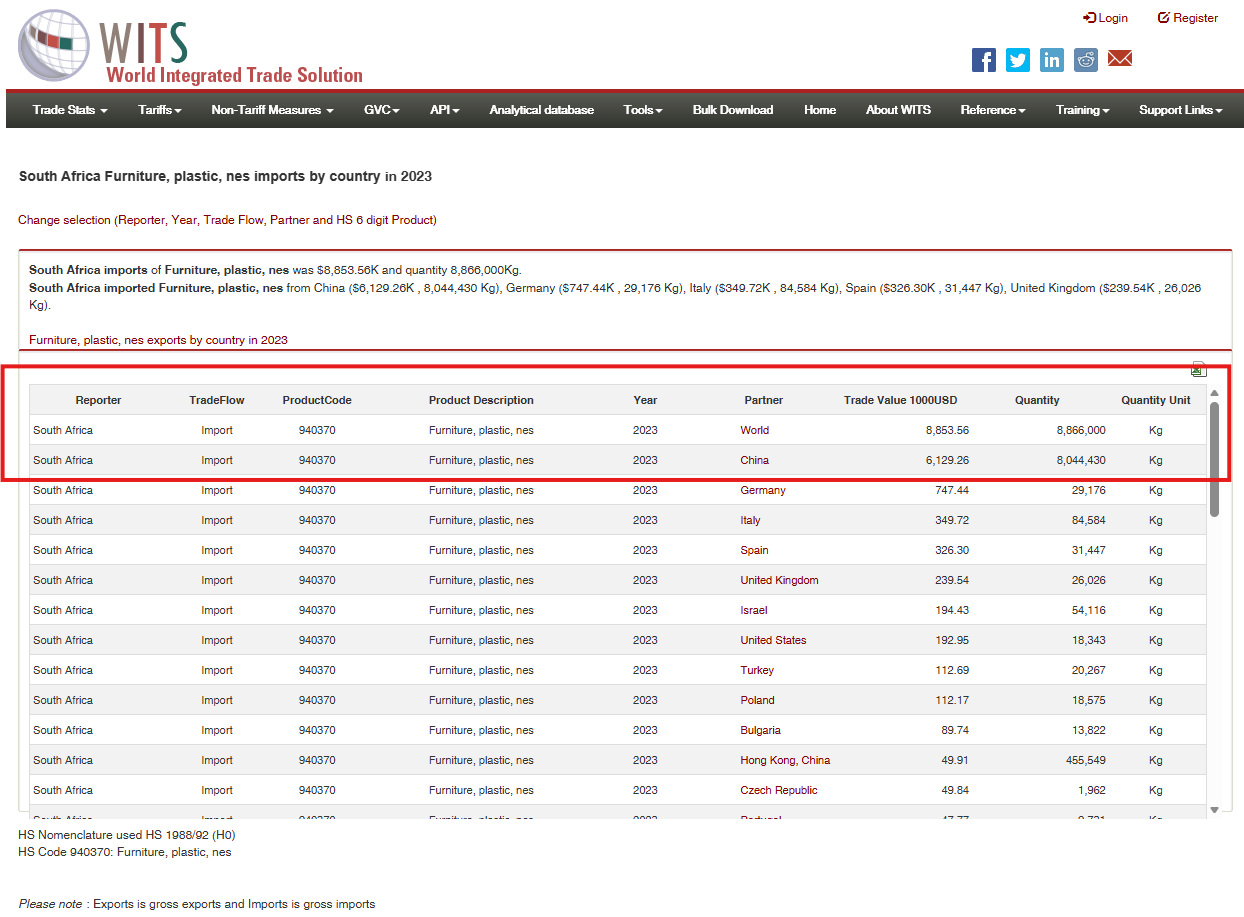
Chart showing imports of furniture, plastics, etc. from South Africa
Online Traffic Explosion: E-commerce as a Driving Force
South Africa's e-commerce market is experiencing explosive growth. Local platforms such as Takealot and cross-border players such as Shein and Temu are accelerating their expansion. The proportion of online retail and GMV are increasing year by year. In 2024, the e-commerce market size exceeded 96 billion rand (US$5 billion), and it is expected to increase to US$7 billion in 2025.
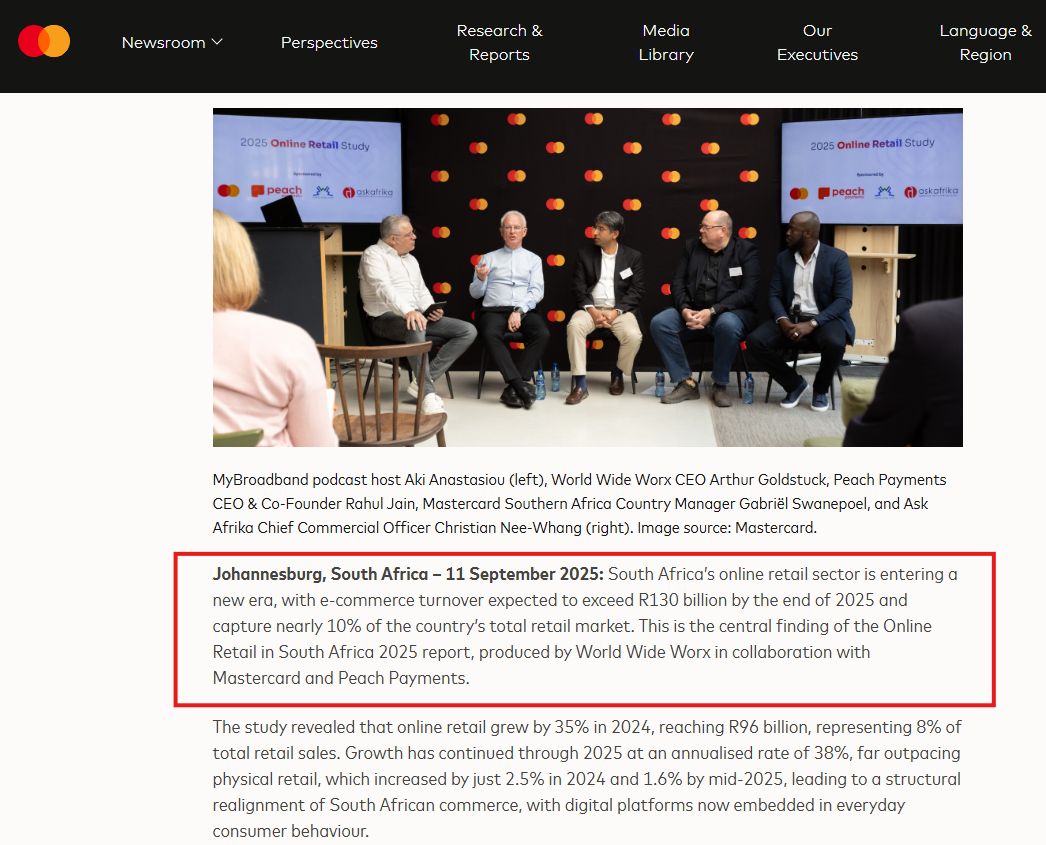
The expansion of e-commerce channels has provided a low-barrier entry opportunity for lightweight home furnishings, small gifts, and products requiring rapid restocking. Chinese suppliers can leverage online channels to quickly increase sales volume and test the market before gradually expanding into offline supermarkets and chain stores, achieving "full coverage of online and offline channels".
Five High-Potential Sectors to Capitalize on South Africa's Consumption Upgrade Dividend
As market foundations, consumer spending power, and channel conditions mature, the answer to which specific product categories will benefit first is becoming clearer. With "Chinese products + localized channel services" at its core, creating consumption scenarios where "African families experience the warmth of Chinese manufacturing," five core sectors are entering a golden period of strategic development.
Household Goods: A Stable Base Amid Urbanization Dividends
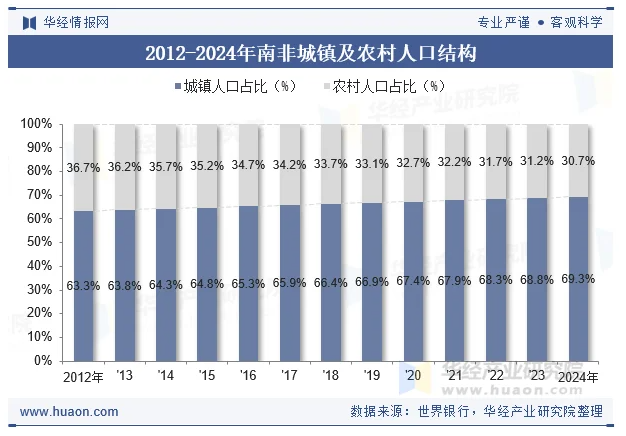
South Africa has one of the highest urbanization rates in Africa, exceeding 67%. The three major metropolitan areas of Johannesburg, Cape Town, and Durban concentrate nearly 40% of the country's middle class and consumer power. With trends of housing renovations, rental replacements, and smaller family structures, household goods exhibit market characteristics of "high-frequency essential needs + stable repurchases."
According to Grand View Research, the South African home décor market is projected to be worth approximately US$5.96 billion in 2024 and reach approximately US$9.917 billion by 2030, with a CAGR of approximately 9.1% from 2025 to 2030. In terms of consumer structure, South African consumers are highly price-sensitive but have clear requirements for durability, design, and functionality. Chinese companies have a significant comparative advantage in categories such as plastic products, storage boxes, cleaning tools, and basic furniture accessories, making them suitable for entry through chain retail, e-commerce platforms, and regional wholesale channels.
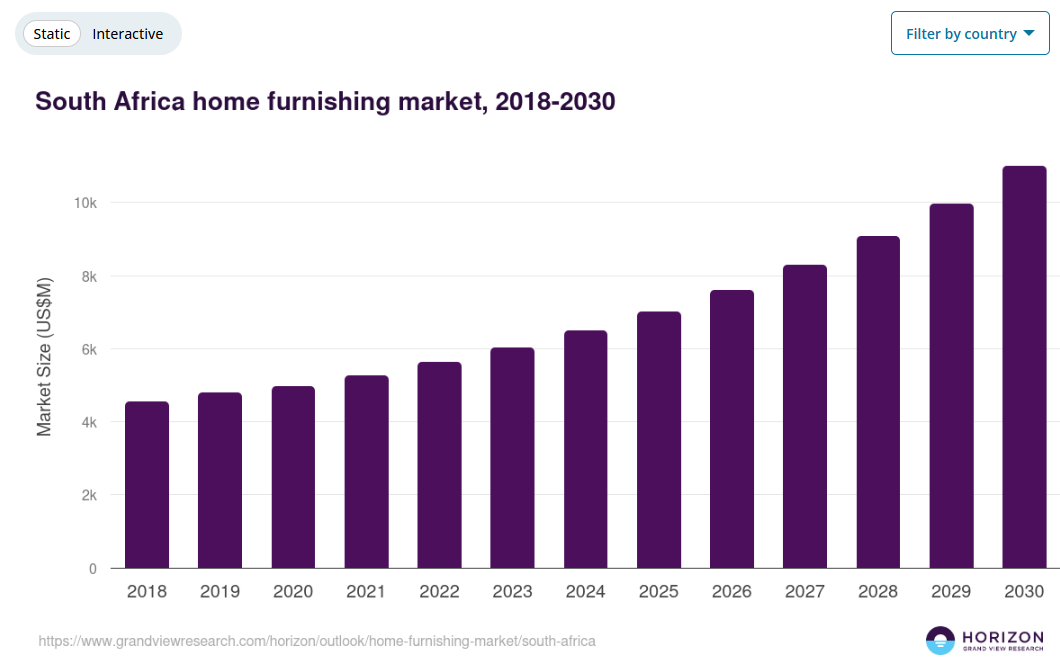
South African Home Decor Market Size Map
Kitchenware and Tableware: Structural Opportunities in an Import-Dependent Market
South Africa's kitchenware and tableware market is highly dependent on imports, particularly in the areas of plastic products, stainless steel cookware, glassware, and small kitchen tools, where domestic production capacity is limited. China has become South Africa's core source of kitchenware and tableware. Customs data shows that in 2023, South Africa imported approximately US$263 million worth of plastic tableware and kitchenware from China, accounting for more than 55% of total imports in this category. Besides basic plastic products, demand for medium- and high-value-added categories such as stainless steel cookware, baking tools, and silicone cookware has maintained steady growth.
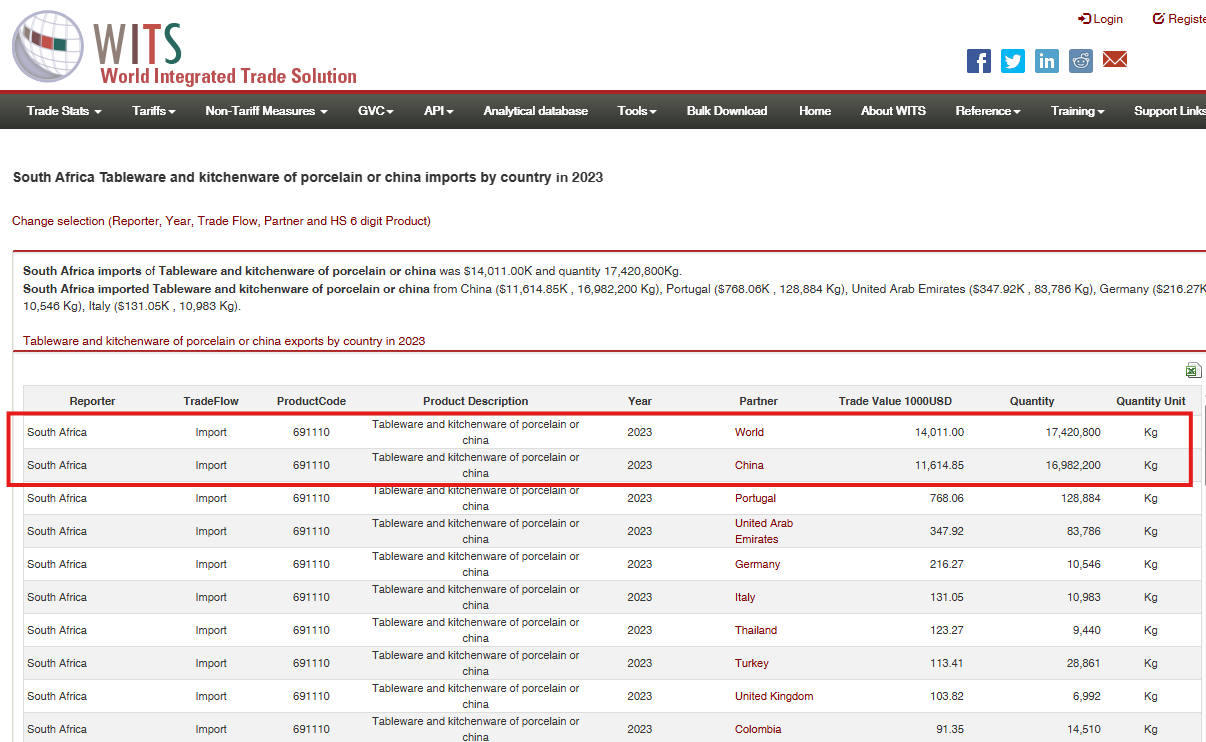
South Africa in 2023: porcelain from various countries or tableware and kitchenware imported from China.
South Africa boasts a significant outdoor dining culture, with approximately 60% of households nationwide hosting at least 10 barbecues annually. Sales of barbecue-related products can increase by up to 80% year-on-year during the barbecue season. In local supermarkets, mid-to-high-end stainless steel kitchenware products are typically priced 3-5 times higher than similar products in China, providing opportunities for Chinese companies to implement "high-cost-performance alternatives."
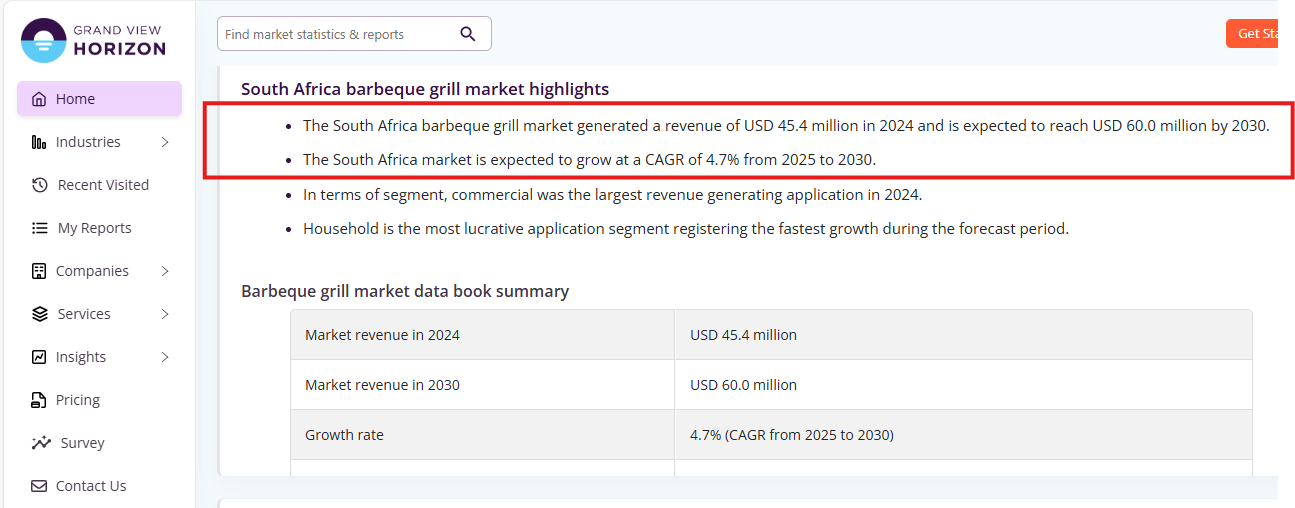
South African barbecue market size map
Beauty and Personal Care Products: Multi-ethnic Population Fosters Highly Segmented Demand
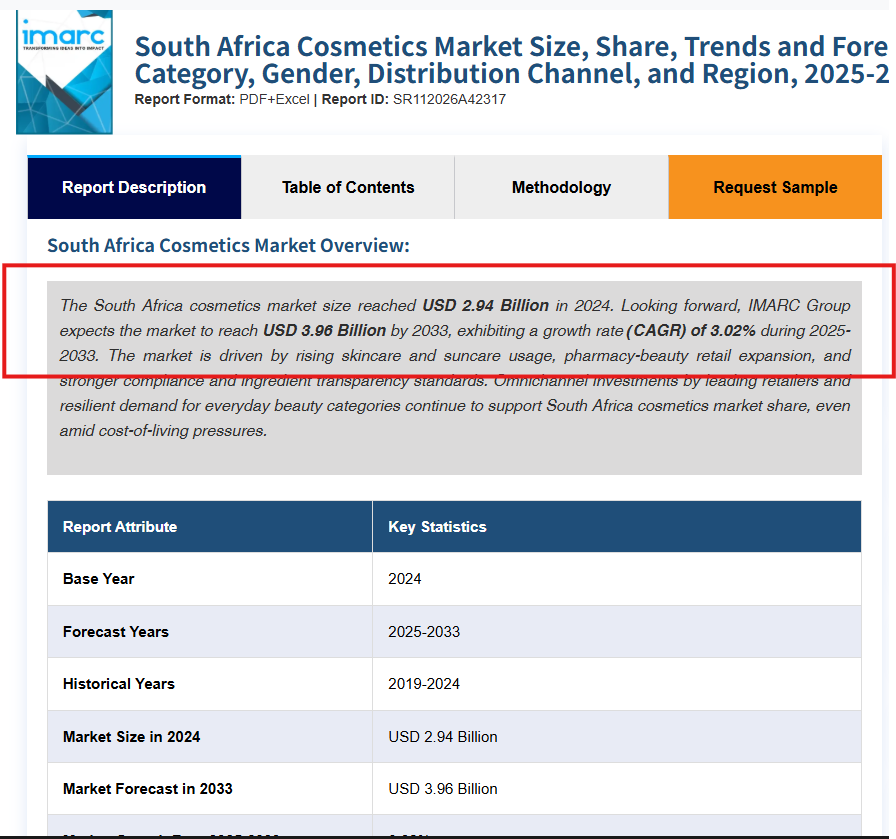
An IMARC Group report indicates that the South African cosmetics market was worth approximately US$2.94 billion in 2024 and is projected to reach US$3.96 billion by 2033. Influenced by its multi-ethnic population, the South African market exhibits highly differentiated demand in skincare, makeup, hair products, and fragrances. The purchasing power of middle-class women in Africa continues to rise, with products such as makeup, wigs, nail products, and perfumes exhibiting high repurchase rates and high profit margins.
Data shows that China's total exports of hair products have long remained around US$3.5 billion, with the African market accounting for about 35%, and South Africa being one of the core consumer countries. The short average consumption cycle and high individual ownership of wigs and related care products provide Chinese brands with a stable and large-scale export market.
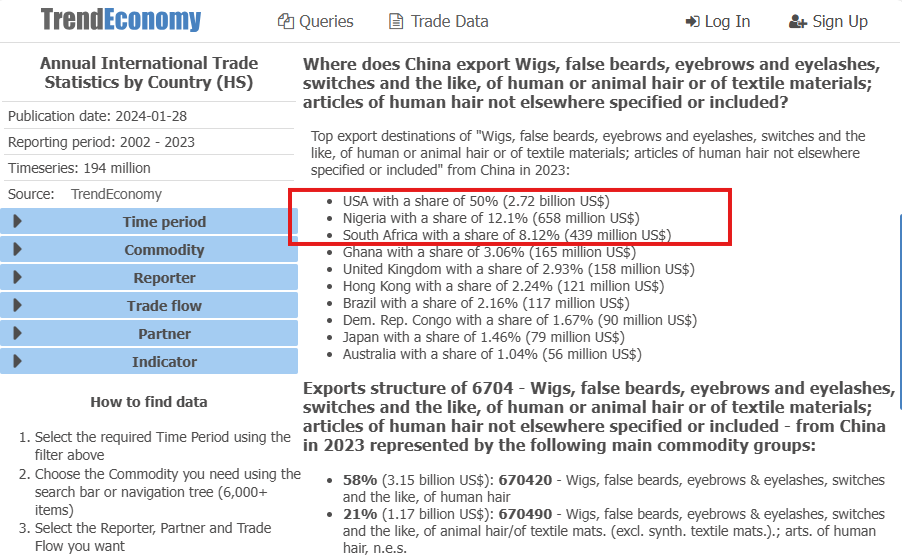
2023 China's Hair Product Export Destinations Map
Outdoor Recreation and Sports Products: Driven by Both Tourism Recovery and Mass Fitness Campaigns
South Africa's outdoor sports and fitness market is experiencing growth, with increasing demand for fitness equipment, functional apparel, yoga/Pilates products, and lightweight home fitness equipment. The South African gym membership market was valued at $107 million in 2024 and is projected to reach $296.7 million by 2033.
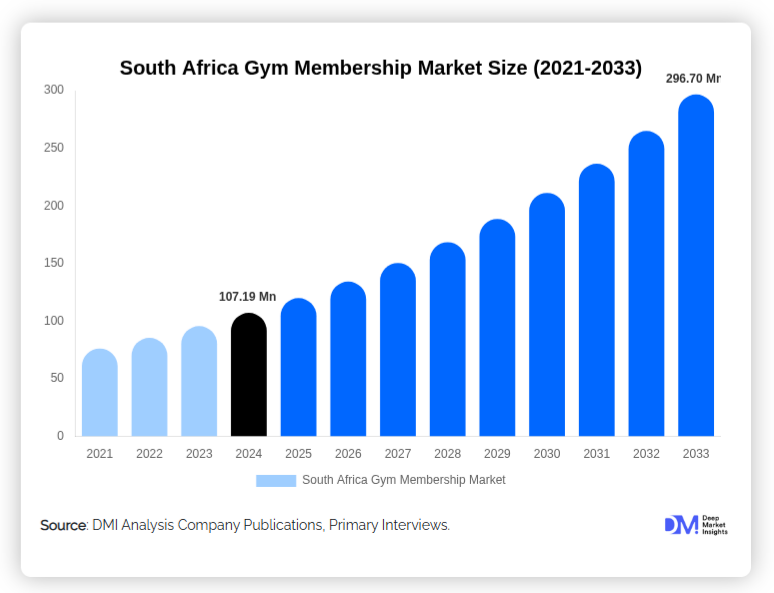
Illustration of the South African gym membership market size in 2024
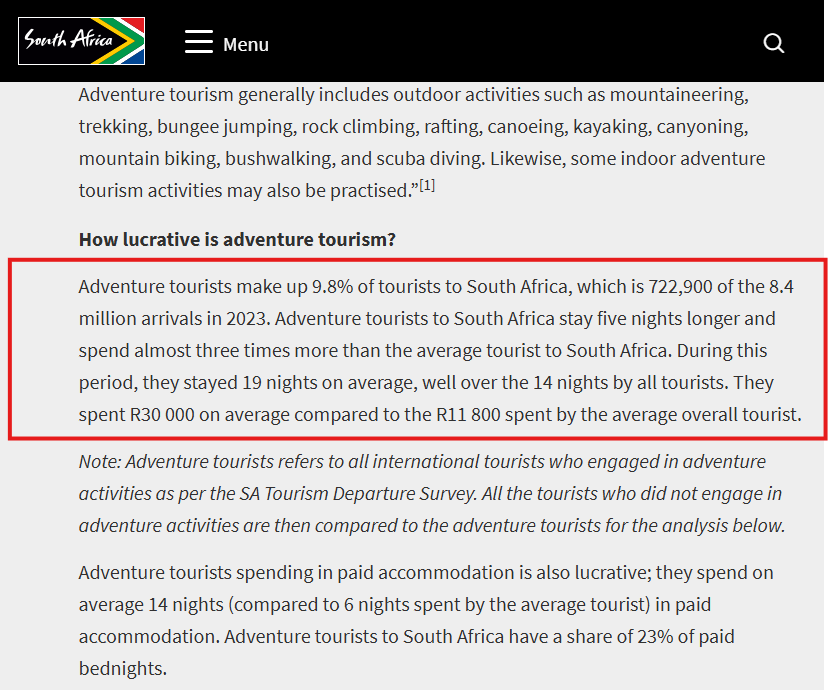
With the upgrading of community sports facilities and increased investment in school sports, stable procurement demand has emerged for fitness equipment, yoga/Pilates supplies, portable training equipment, and venue-related equipment. Tourism rebounded in 2023-2024, with South Africa receiving approximately 723,000 adventure tourists. Their length of stay and average spending per person were significantly higher than those of ordinary tourists, directly driving demand for high-quality camping, mountaineering, and water sports equipment. For Chinese manufacturers, lightweight, modular, and easily transportable outdoor and sports products are particularly suitable for entering the South African market through wholesalers, e-commerce, and tourism channels.
Gifts and Office Supplies: Supported by Both Government Procurement and Middle-Class Consumption
The South African gift and office supplies market has seen steady growth in recent years. In 2024, the South African gift, novelty, and souvenir market was valued at US$1.1255 billion, and is projected to expand to US$2.02459 billion by 2033.
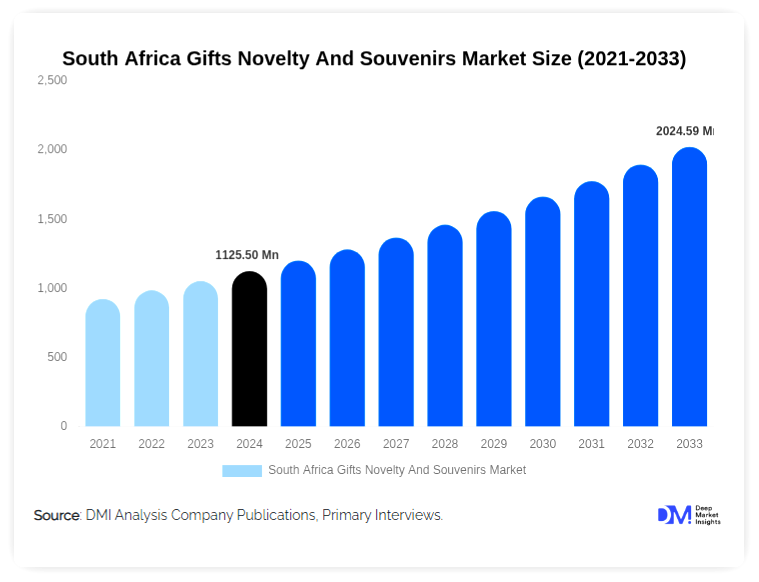
South African gift market size diagram
Meanwhile, the South African stationery and office supplies market is projected to reach approximately US$990 million in 2024. Demand is supported by two main drivers: firstly, continued procurement of office and event supplies by the South African government and businesses; and secondly, the growth of the middle class driving increased consumption of personalized gifts, customized office supplies, and related products.
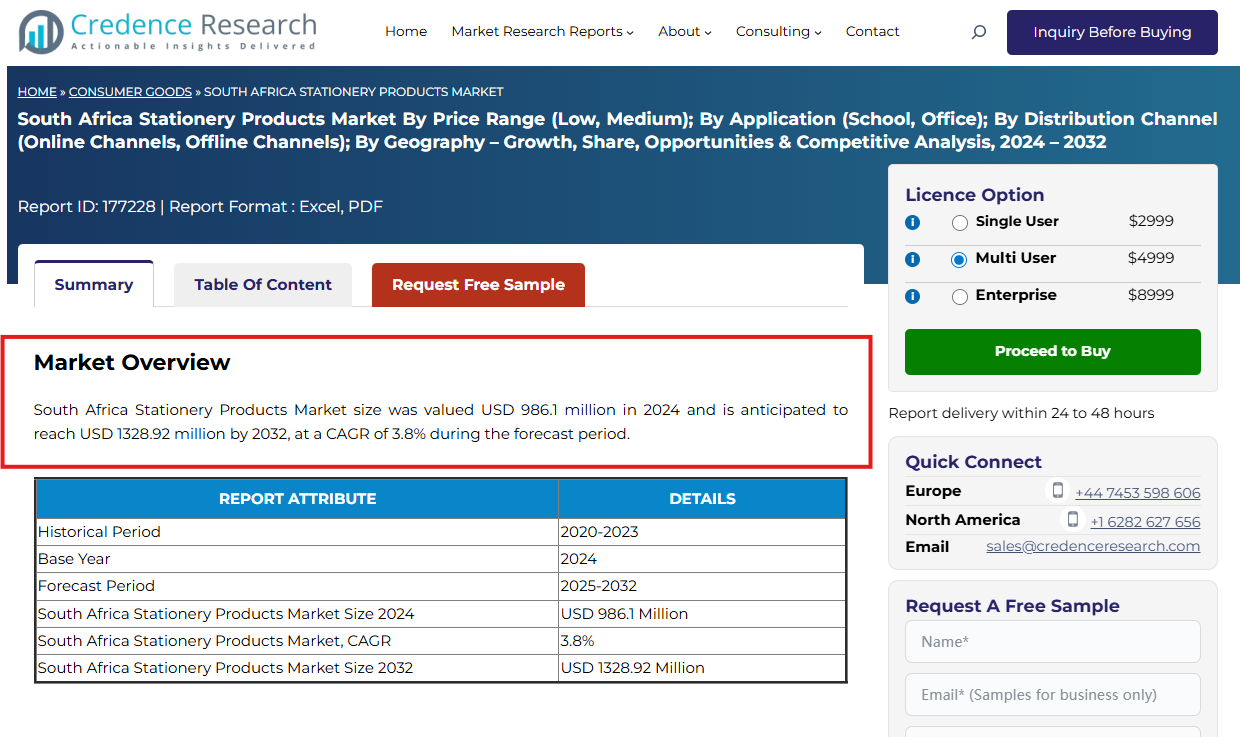
South African stationery market size diagram
HOMELIFE Makes Every Global Expansion More Precise
As Chinese enterprises actively seize global development opportunities, HOMELIFE SOUTH AFRICA EXPO is using high-quality products as a bridge to write a new chapter of cooperation across oceans. In 2026, when "Made in China" enters the "Rainbow Continent," HOMELIFE South Africa will become a key node connecting supply and demand.
The 10th SOUTH AFRICA HOMELIFE EXPO
September 23-25 | Gallagher Convention Centre, Johannesburg
Let "Made in China" Illuminate New African Home Scenes
Open a New, High-certainty, High-growth African Channel for Chinese Brands
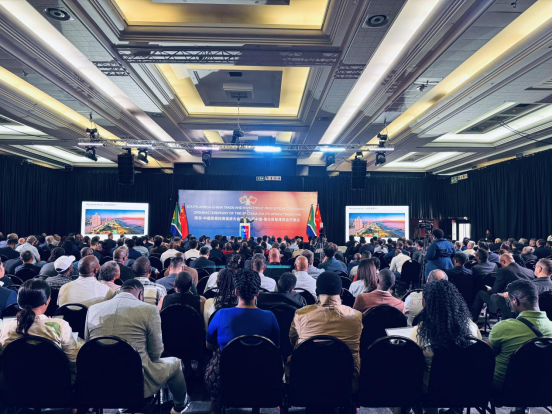
High-level political and business dialogues will be held concurrently to deepen consensus on China-South Africa cooperation.
During the HOMELIFE South Africa exhibition, several high-level events will be held concurrently, including the South Africa-China Trade and Investment Promotion Conference and the South Africa Smart Cities Conference. These events will bring together numerous representatives from the governments, business communities, international organizations, and business associations of both China and South Africa to engage in in-depth dialogues on upgrading bilateral economic and trade cooperation, promoting industrial synergy, and exploring regional market opportunities. This will inject more effective and sustainable growth momentum into the comprehensive strategic partnership between China and South Africa in the new era.
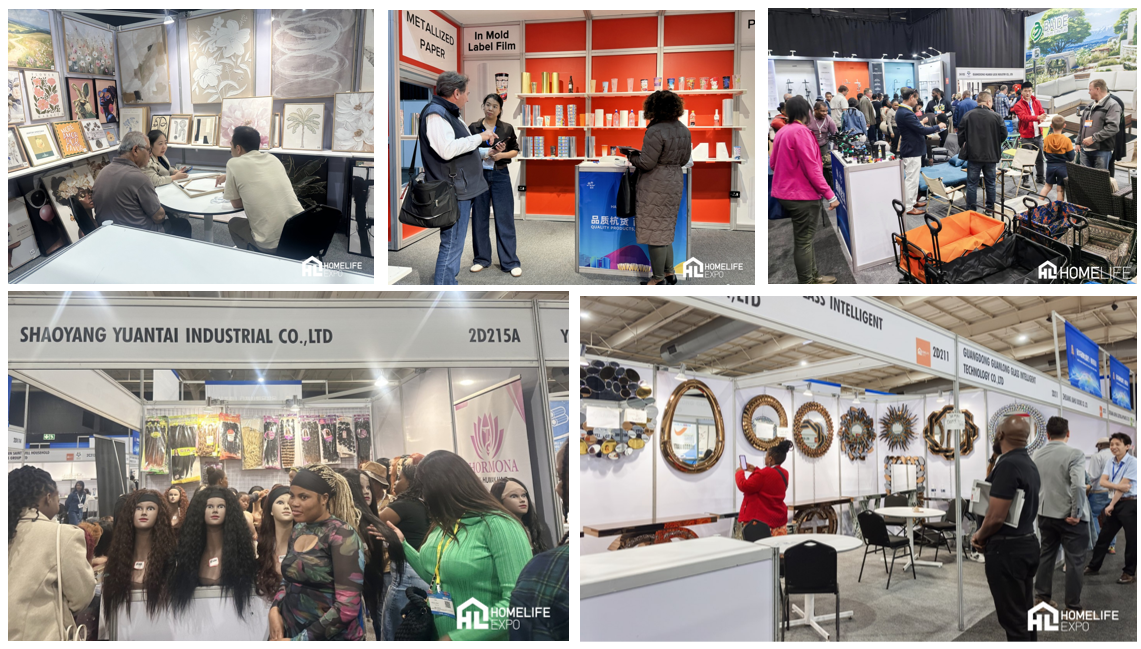
A matrix of five core product categories reshapes regional market opportunities.
Bringing together five core categories—home and daily necessities, kitchenware, gifts and office supplies, beauty and personal care, and outdoor leisure and sports—it precisely targets regional consumer needs. Leveraging the synergistic advantages of its comprehensive product range, it creates diversified business opportunities for its partners.
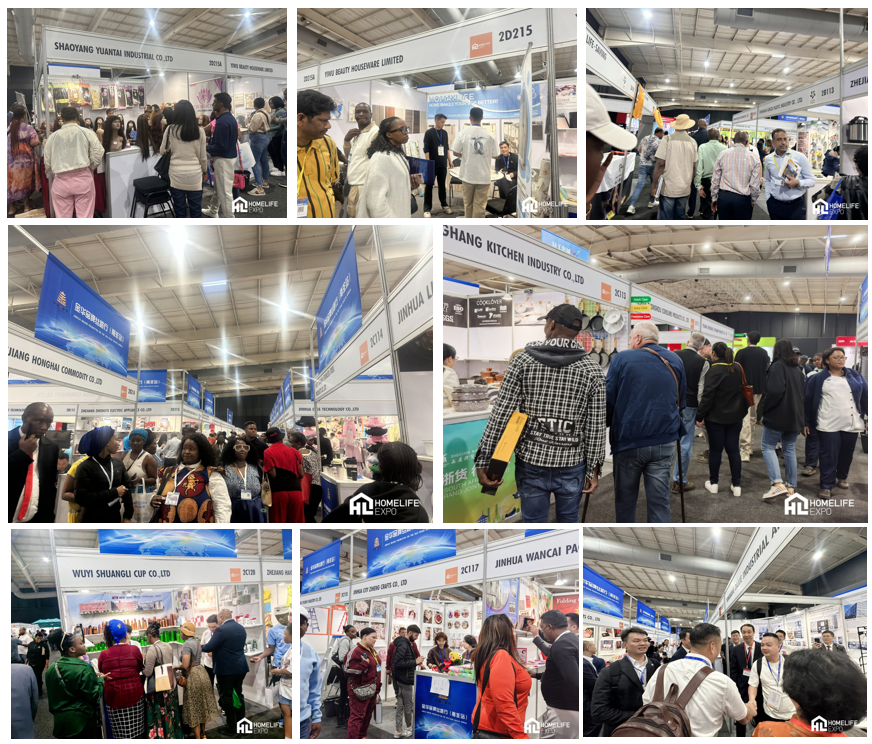
A database of 30,000+ precise buyers, covering an omnichannel sourcing network in South Africa
The exhibition leverages a database of 30,000+ precise buyers, covering a omnichannel sourcing network including chain retail groups, local ODM/OEM partners, cross-border e-commerce sellers, and regional distributors, providing businesses with the dual value of order matching and market cultivation.
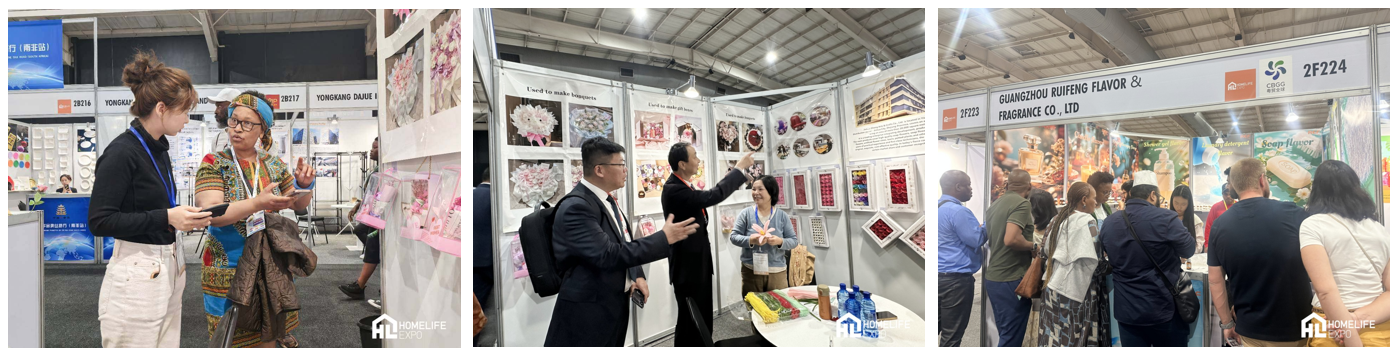
AI-Powered Exhibition: Reshaping Exhibition Efficiency
Leveraging the "AI-Powered Exhibition" intelligent ecosystem, the entire exhibition integrates cutting-edge AI technology and hardware. With a buyer-seller intelligent matching algorithm as its core engine, combined with multi-dimensional efficiency-enhancing tools and interactive terminals such as AI glasses, a full-chain service system is built, covering pre-exhibition demand matching, precise negotiations during the exhibition, and post-exhibition business opportunity tracking. This digital solution not only reshapes the overseas exhibition experience for enterprises but also intelligently addresses the pain points of expanding into the Eastern European market, building an efficient bridge for cross-border trade and helping Chinese enterprises deeply explore the region's business potential.

Pre-show platform launches, capturing buyers' 'first glance'
From 'passively waiting for customers' to 'actively securing them.' Before the exhibition, companies can test product popularity and accurately connect with potential buyers through the HOMELIFE pre-show platform.
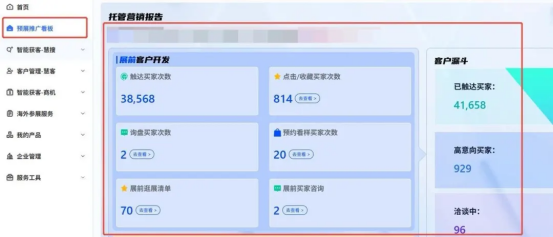
Real Overseas Traffic and Data Feedback
No need to wait. Once your product is uploaded to the platform, it will be directly showcased to the large overseas buyer community aggregated by our platform. You can clearly see core data such as popular search keywords, product views, interested buyers, and proactive engagement.This real data is the most direct basis for you to assess the market acceptance of your product.
Four Basic Rights
- Open a store for free
- Upload 10 showcase products for free
- Upload 100 new products for free to participate in official promotion activities
- Invite inquiry buyers to the exhibition unlimited times for free
Five Additional Rights After Product Upload
New store and new products receive weighted exposure: Newly uploaded products receive 15 days of weighted exposure, appearing first in buyer searches and recommendations.
Smart recommendations, precisely reach intended buyers: When buyers search or inquire about similar products on the platform, the products are prioritized for recommendation to them, further increasing exposure and transaction opportunities.
Omni-channel promotion, accurately recruit buyers: The exposure range is not limited to the exhibiting country. Using product tags to identify buyer profiles efficiently and accurately recruits matching buyers.
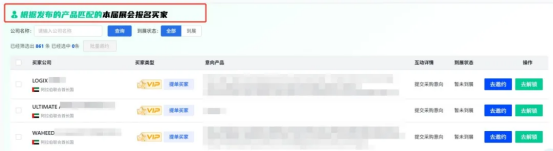
Priority access to high-value recommended buyer lists: Based on product tags, receive precisely matched high-quality buyers, allowing early invitation, review, and locking of high-intent business opportunities.
Post-exhibition remarketing: Continue to reach platform buyers after the exhibition, allowing promotions to keep spreading and achieving wider influence.
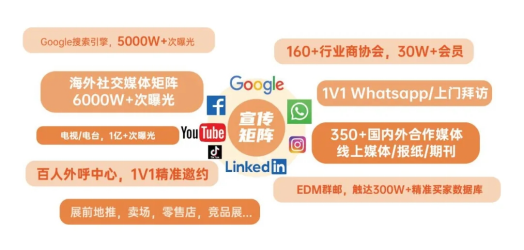
Overseas Comprehensive Intelligent Promotion, Tens of Millions of Global Exposures
The exhibition garnered continuous attention and coverage from local South African media. Employing a data-driven strategy, it integrated mainstream overseas social media platforms such as YouTube, Google, Facebook, Instagram, LinkedIn, and TikTok to build an online omni-media matrix for promotion. Simultaneously, it combined offline meetings with key buyers by local teams, press conferences, and outdoor advertising, continuously operating over 12 exhibition marketing channels throughout the year to achieve 360° comprehensive exposure, with an average exposure exceeding 11 million people per exhibition.
The real Africa isn't at the first stop,
but at the most stable stop.
See you at HOMELIFE South Africa in 2026!
Starting from Johannesburg, let Chinese manufacturing take root and flourish in Africa.

Register now and seize the business opportunity.






 浙公网安备33019202002778号