


HOMELIFE Brand Overseas Series Exhibition | Indonesia Station: 'Not Just Big, But Right,' Kicking Off a New Phase of Growth in the Indonesian Market in 2026!
The Logic of Chinese Companies Going Global Is Fundamentally Changing.In the past, competition was about who could be cheaper.Today, success is determined by who is more stable, who understands the local market better, and who can build sustainable distribution channels for the long term.
As global uncertainty intensifies, demand becomes increasingly fragmented, and exchange rates and policies fluctuate more frequently, more and more companies are rethinking a critical question:
Is going global about “going farther”
or about “going steadier”?
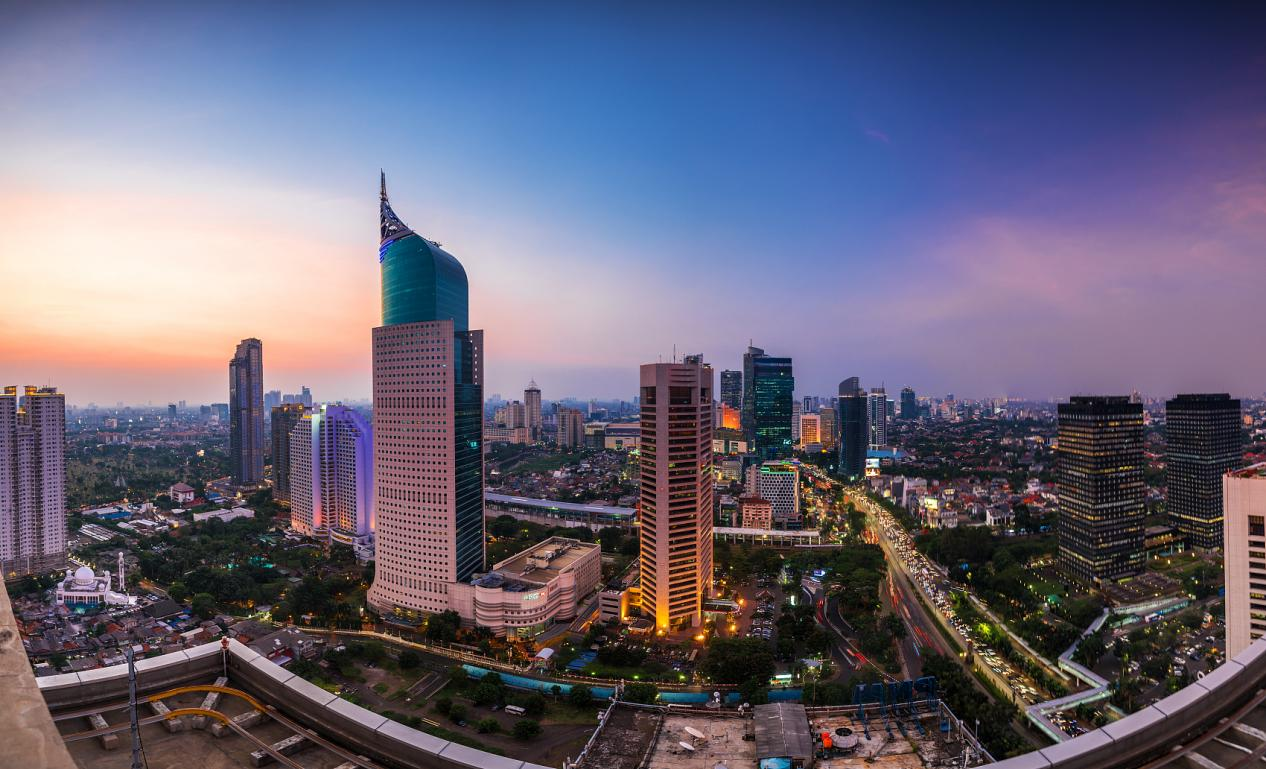
Truly Valuable Overseas Markets Are Not Just Big — They Are Real, Sustainable, and Actionable.A truly valuable overseas market is not defined merely by its size, but by real growth, sustained demand, clear pathways, and strong convertibility.
And in today’s Asian landscape, Indonesia stands out as one of the rare “markets of certainty.”
Not Just “Big,” but “Right”
Big in scale. Right in direction.
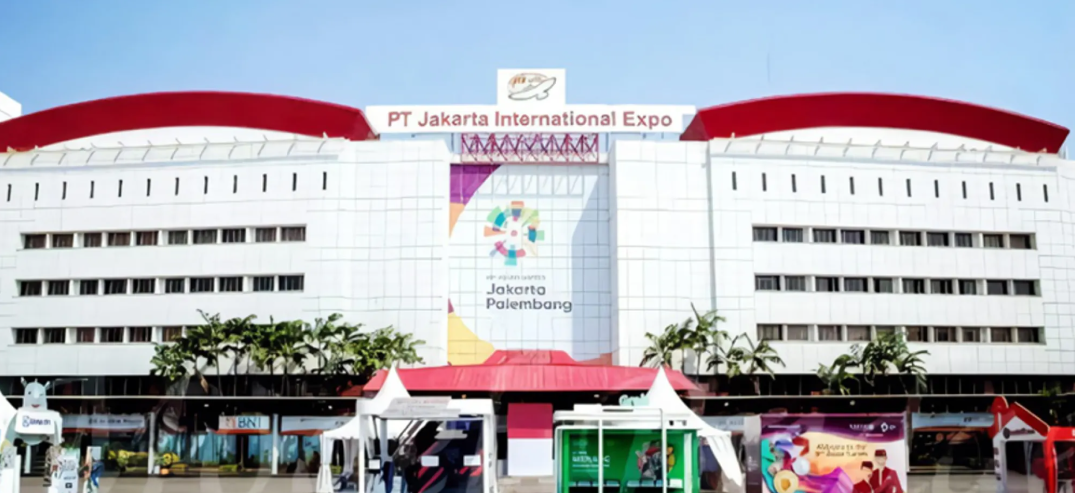
Indonesia is undergoing real consumer upgrading, rapid restructuring of its retail system, and maintaining a high dependence on external supply chains. It is becoming a strategic pivot point for Chinese companies expanding overseas.For Chinese businesses, this is not a market that might offer opportunities in the future — it is a market where orders are already being generated, channels are being reshaped, and brand awareness is actively forming.
Southeast Asia’s Largest Economy
A Market with Truly Convertible Growth
As the largest economy in Southeast Asia, Indonesia has the region’s largest and youngest population base. More importantly, this is not a “potential dividend” — it is purchasing power already being realized.
In recent years, e-commerce platforms such as Shopee and Tokopedia have expanded rapidly. In 2024, Indonesia’s total online transaction value (NMV) reached approximately USD 64 billion, accounting for 42.6% of the entire ASEAN e-commerce market.
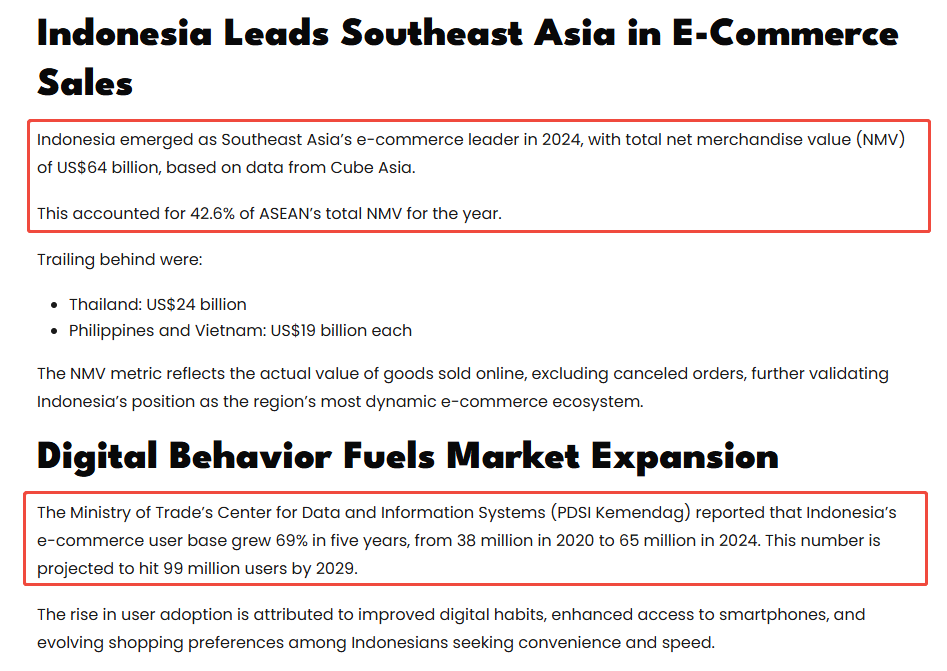
▲ Indonesia ranks first in Southeast Asia in terms of e-commerce market size
At the same time, offline channels continue to penetrate deeper into communities. Supermarkets, chain stores, and neighborhood retail networks are expanding rapidly, while new retail and consumption scenarios are constantly emerging.
This means that Chinese companies are no longer entering a “potential market,” but a mature market with real transactions.Online channels enable volume scaling, offline channels support network expansion, and brands can accumulate long-term equity — forming solid ground for scalable growth.
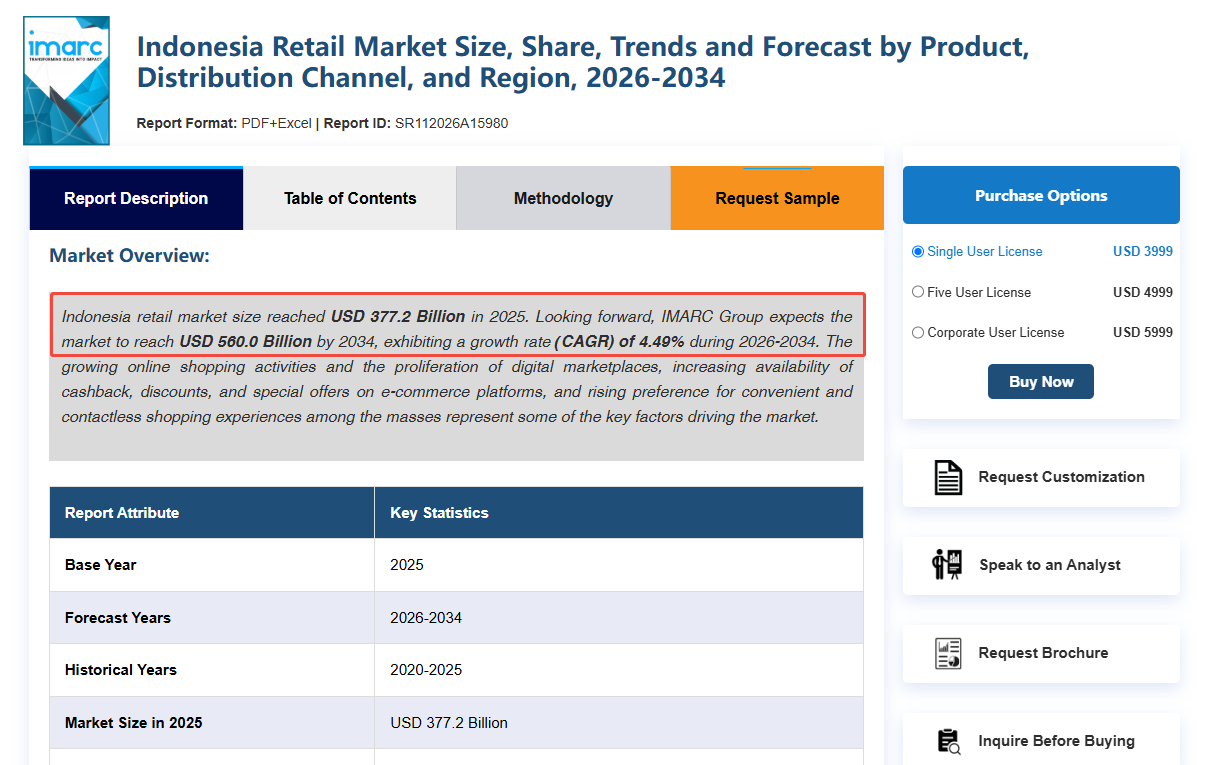
▲ Indonesia’s retail market is expected to reach USD 377.2 billion in 2025
A 280-Million-People Super Market
Continuous Upgrade in Consumption Structure
Indonesia’s population is projected to reach 285.7 million by 2025, accounting for about 3.47% of the global population, forming an enormous base for consumer demand.
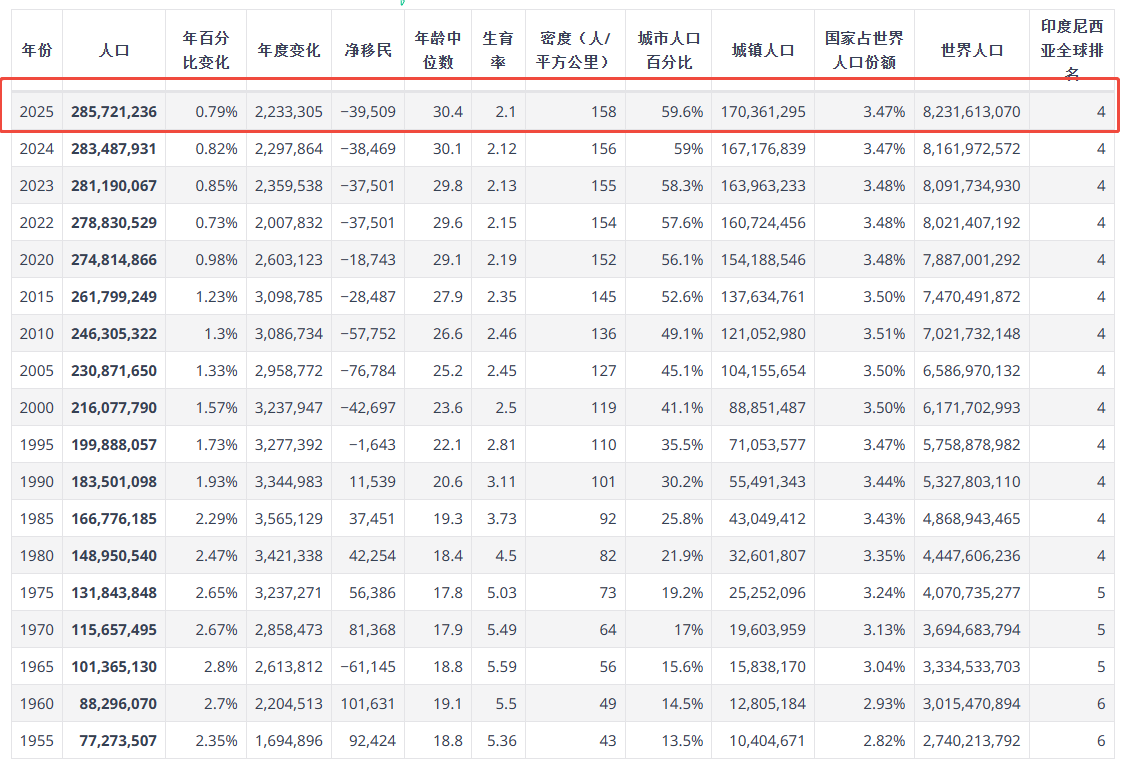
Meanwhile, the middle class continues to expand, household purchasing power is rising significantly, and the retail system is modernizing rapidly. Consumption is shifting from “usable” to “better quality, better design, and better lifestyle.”
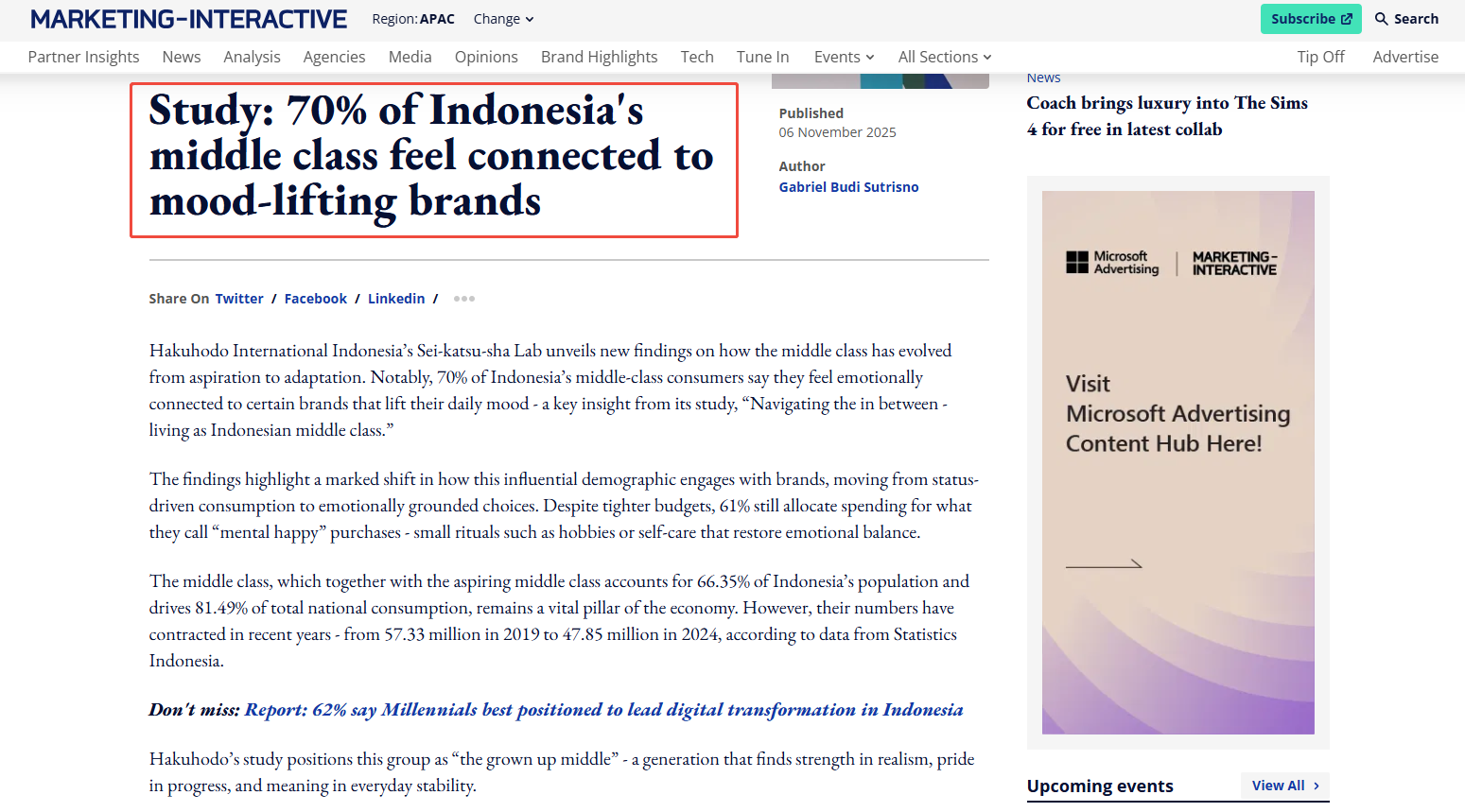
▲ 70% of Indonesia’s middle class prefers brands that uplift their mood
Home products, kitchenware, and gift items are transitioning from functional consumption to experience-driven consumption, creating an upgrade path for Chinese brands:from price advantage → to value advantage → to brand premium.
New Capital Development
Creating Epic-Scale Procurement Demand
The construction of Indonesia’s new capital, Nusantara, is generating epic-scale demand for home and lifestyle products.
Infrastructure investment for the relocation has reached USD 32 billion, with an additional USD 60 billion in foreign investment attracted. Home furnishings, kitchenware, and daily-use products have become urgent necessities — opening up diverse opportunities and projects for Chinese companies.
More importantly, the Indonesian government plans to relocate 5 million people by 2028, which means massive procurement demand will be released not only for residential housing, but also for schools, hospitals, and office buildings.
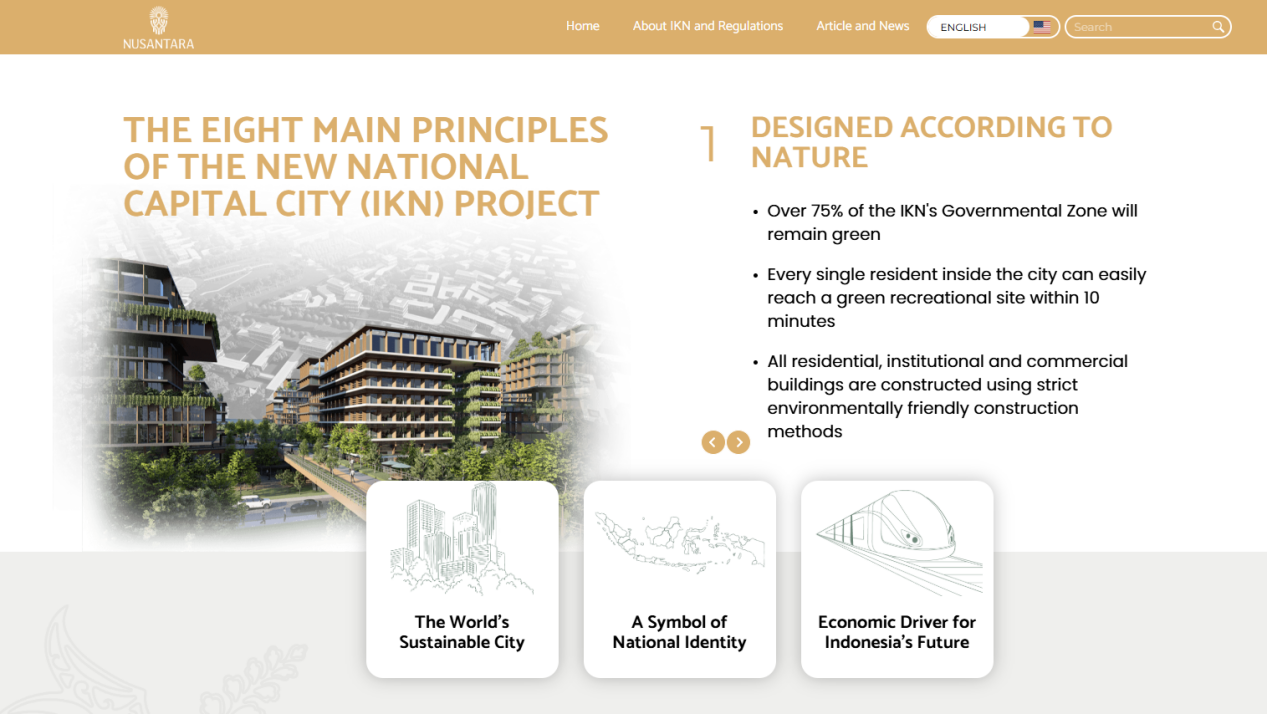
▲ Nusantara is Indonesia’s new capital
Policy Tailwinds
The Best Time to Enter Indonesia
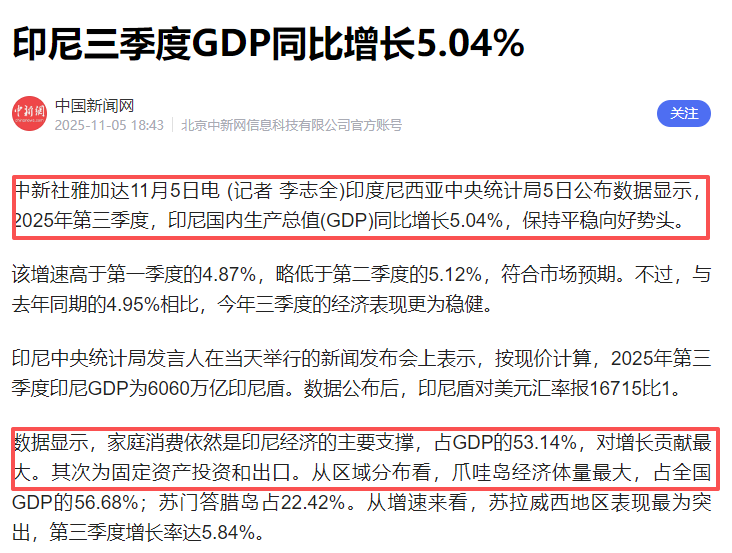
Despite global economic pressure, Indonesia continues to show strong resilience. In Q3 2025, its GDP grew by 5.04% year-on-year, exceeding market expectations. GDP at current prices reached IDR 6,060 trillion (approx. USD 362.6 billion).
Household consumption contributed the largest share, at 53.14%, while fixed asset investment and exports also significantly supported growth. The government has launched housing and consumption stimulus programs to further boost domestic demand.
More importantly, under frameworks such as the China–ASEAN Free Trade Area and regional trade agreements, Chinese manufacturers entering Indonesia benefit from:Lower tariffs · Smoother channels · More stable policies.For home and gift enterprises, this means a strategic shift:from “exporting goods” to “co-building local channels + joint marketing + brand localization.”
Heavy Reliance on Imports
A Natural Fit for Chinese Manufacturing
Indonesia’s local manufacturing capacity remains relatively limited. Categories such as home products, daily necessities, and gifts have long been highly dependent on imports — creating a natural entry point for Chinese companies.
Chinese manufacturing offers a strong comprehensive advantage in terms of:
-
Cost-performance ratio
-
Stable production capacity
-
Faster delivery
-
Full-category supply
-
Flexible customization
These strengths are highly aligned with Indonesia’s market structure.
Participating in exhibitions is not just about selling products — it is about establishing long-term, stable procurement relationships with local wholesalers, distributors, and retail chains.
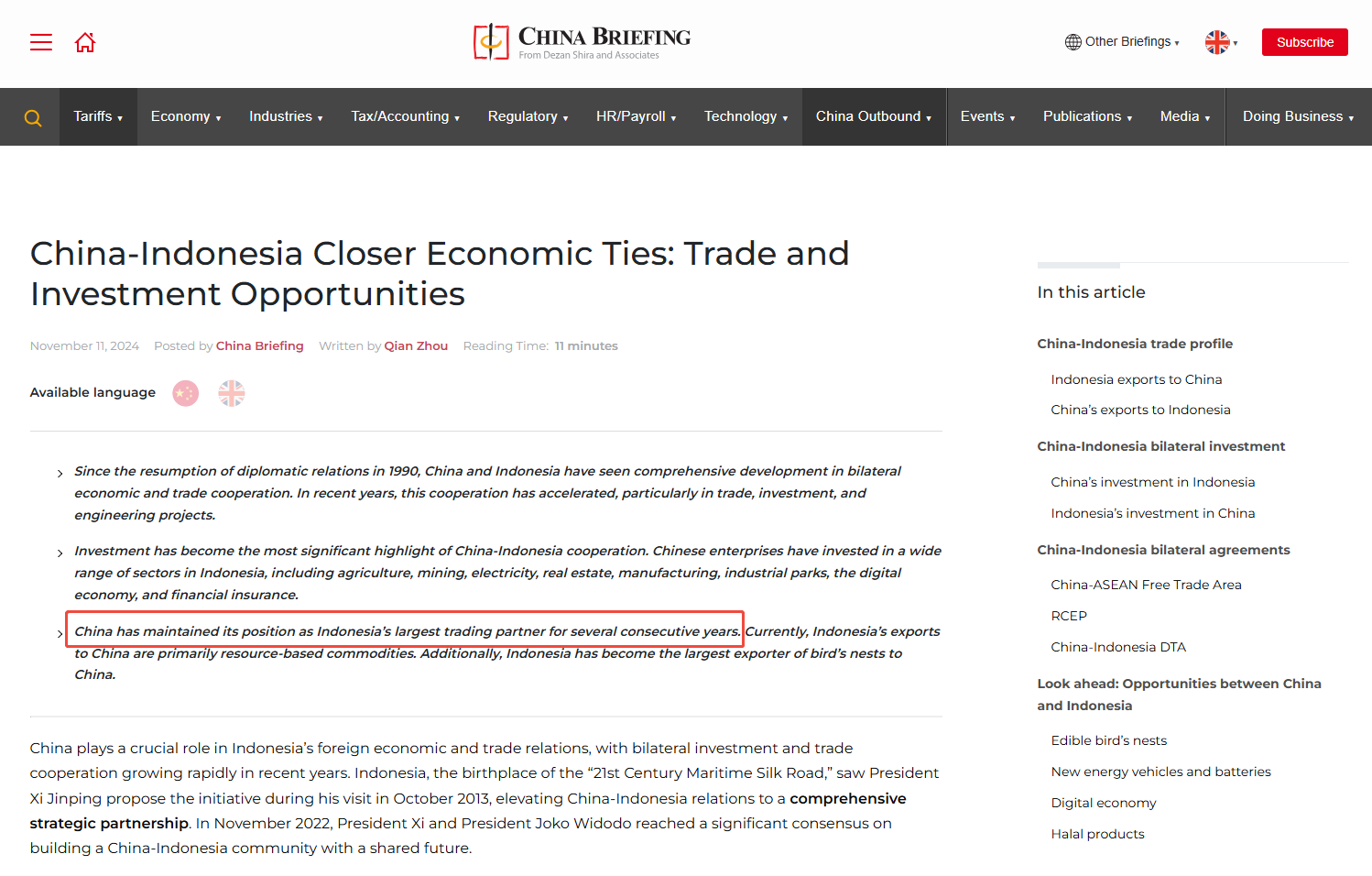
▲ China has remained Indonesia’s largest trading partner for many consecutive years
Track Insights
Which Sectors Are Taking Off?
In Indonesia, more than 200 million households are redefining their living spaces — shifting from “practical” to “beautiful” and “enjoyable.”With strong manufacturing foundations, cost advantages, and innovative design, China’s home and gift industries are entering a brand-new “golden route.”
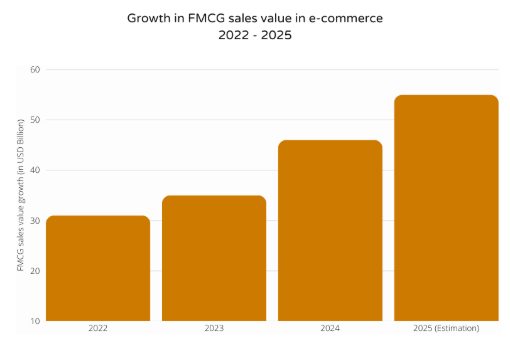
▲ Fast-moving consumer goods sales on e-commerce platforms
showed steady growth from 2022 to 2025
Home & Daily Goods
Upgrade Wave Driven by High-Frequency Demand
With accelerating urbanization and the growing number of small households and single residents, Indonesian consumers increasingly prefer lightweight, space-saving, and aesthetically pleasing yet practical home products.
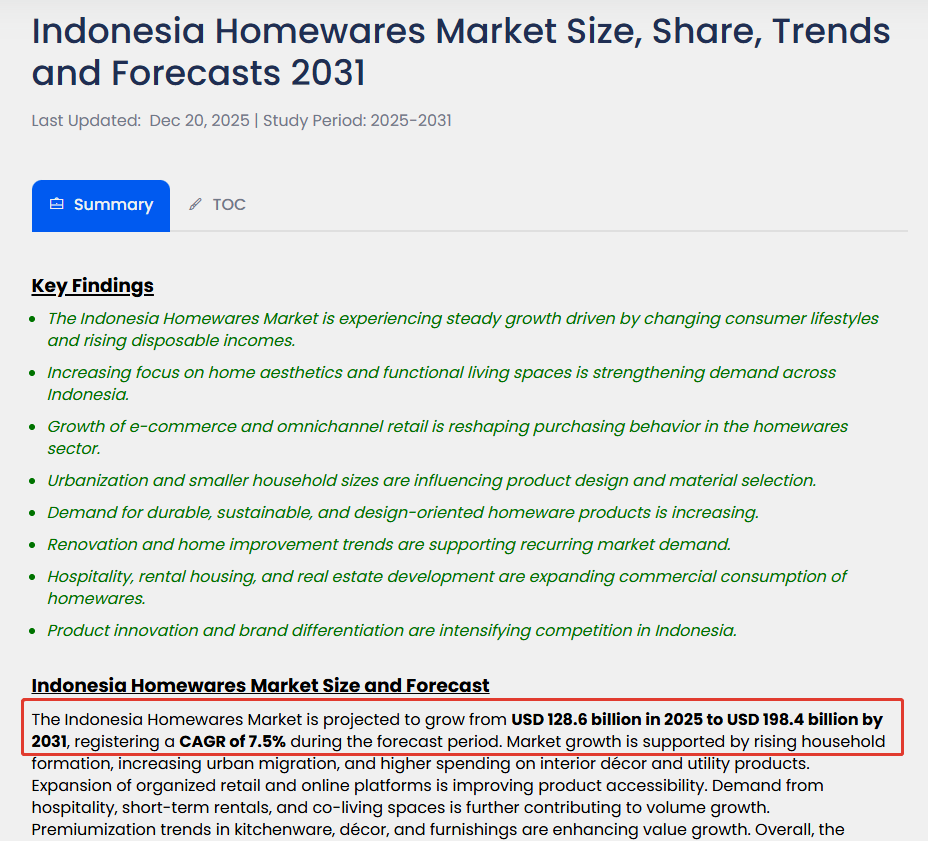
The homewares market (including kitchenware, storage systems, and home décor) is expected to grow from approximately USD 128.6 billion in 2025 to USD 198.4 billion in 2031, with a CAGR of about 7.5%.
Daily health, personal care, and cleaning products — high-frequency essentials — continue to scale steadily, becoming core replenishment categories for long-term channel operations.
Kitchenware:A Stable, High-Frequency Market in Muslim Households
As a predominantly Muslim country, Indonesian families highly value home cooking and family dining, making kitchenware a high-frequency, stable necessity.
The overall tableware market is expected to reach USD 2.8 billion by 2025, with a CAGR of about 4.5% from 2023 to 2025. Core categories such as accessories, plates, and melamine tableware remain consistent volume drivers.
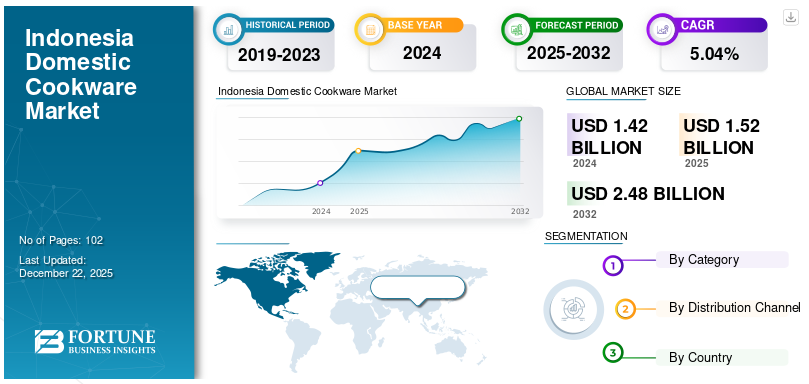
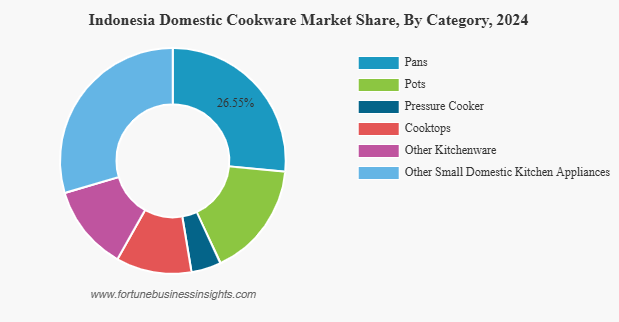
Meanwhile, the cookware market is projected to reach USD 1.52 billion in 2025 and grow to USD 2.48 billion by 2035 (CAGR ~5%). Non-stick pans, cast iron cookware, and pressure cookers form a long-term, replicable sales structure.
Beauty & Personal Care:
The Beauty Economy Amplified by Social Media
Indonesia’s beauty and personal care market continues to expand, driven by urbanization, a young demographic structure, and digital consumption habits.
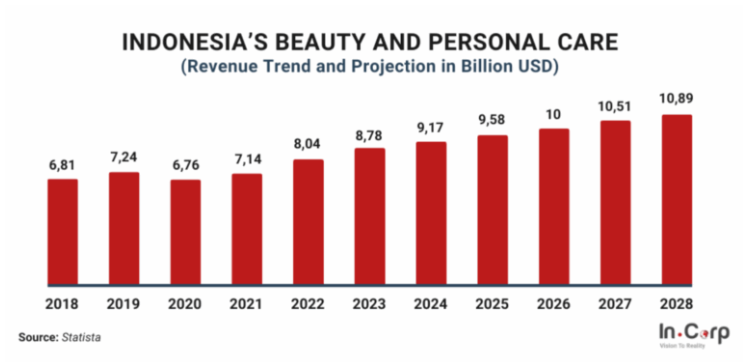
Total cosmetics revenue has reached USD 9.17 billion, and is expected to approach USD 10 billion by 2028.
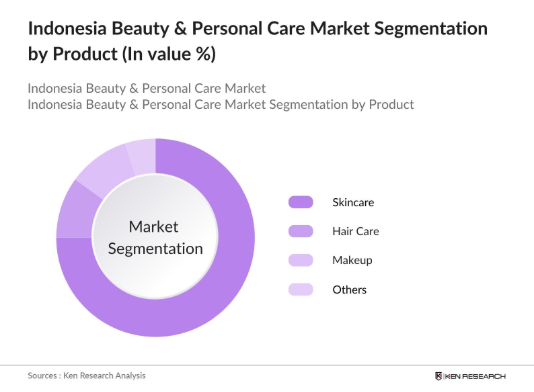
Skincare holds the largest share, driven by anti-aging, moisturizing, and whitening needs. The tropical climate fuels demand for hair care products, while influencers and social media trends amplify emotional consumption in makeup and fragrances.
Notably, Halal certification is almost a basic entry requirement — most products must comply with Indonesia’s Halal standards.
Outdoor & Sports
A Gear Boom Driven by Natural Resources
Indonesia’s abundant natural resources — islands, volcanoes, rainforests — make activities such as hiking, camping, diving, and cycling highly popular, directly boosting equipment demand.
According to Statista, Indonesia’s sports equipment market is expected to reach USD 5.9 billion in 2025, growing at about 6.3% annually.
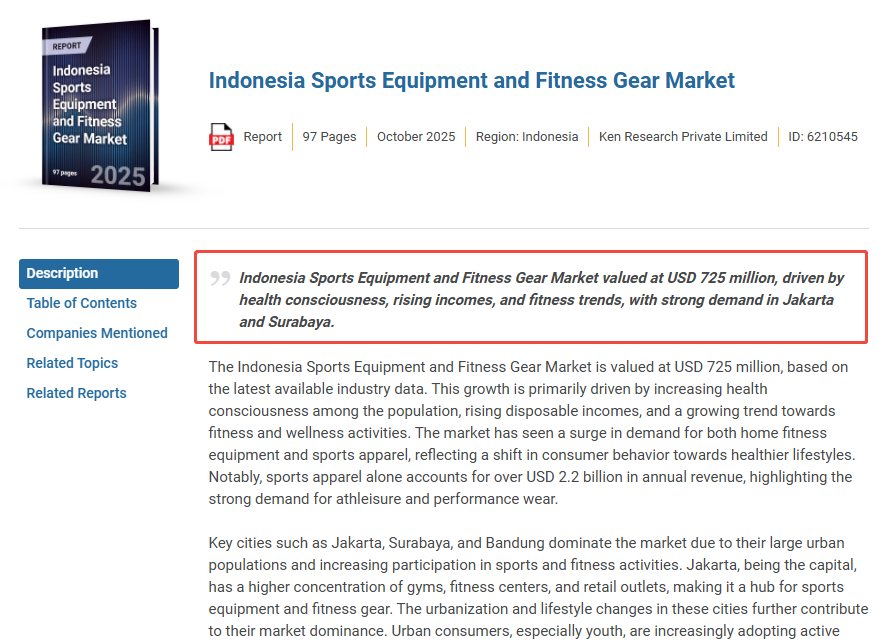
▲ Indonesia’s sports and fitness equipment market is valued at USD 725 million
Urban participation in fitness continues to rise, with gyms, running, and cycling becoming mainstream leisure activities. Sports e-commerce is growing especially fast, expected to reach USD 2.042 billion by 2028, with a CAGR of 18.8%.Fitness equipment, sports apparel, sneakers, and outdoor gear have become top-selling categories on the platform.
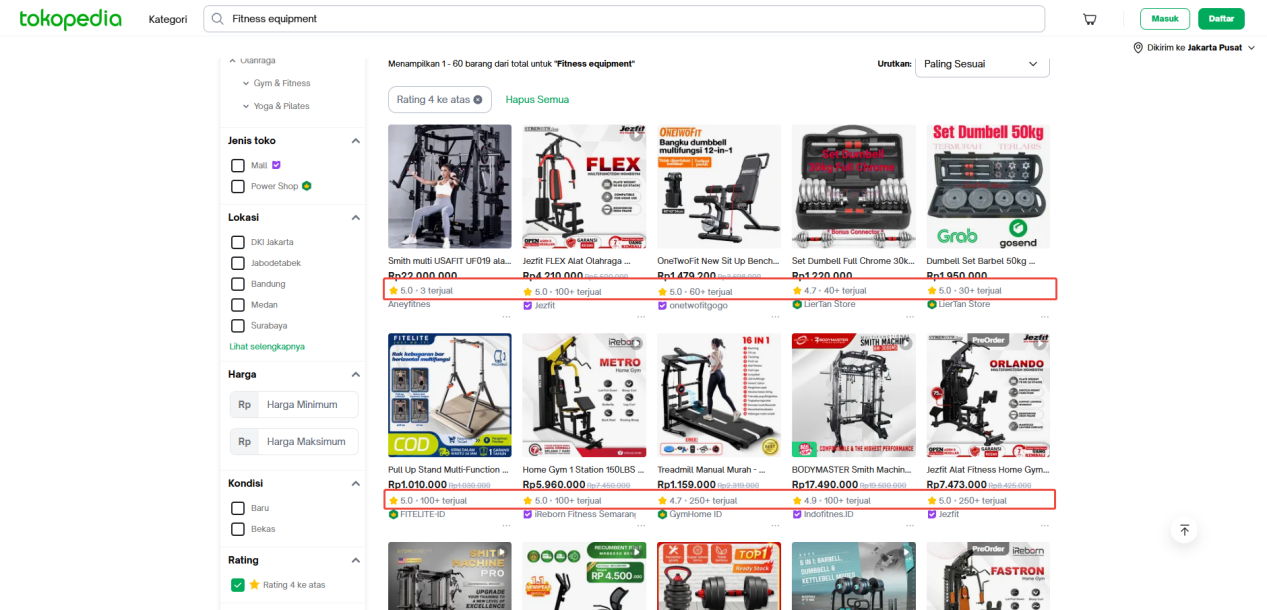
▲ Fitness equipment is selling hot on e-commerce platforms
Gifts & Office Supplies
A Stable Base with Explosive Seasonal Peaks
Indonesia’s office supplies market is expected to grow at a CAGR of 1.7% from 2025 to 2030. Growth is driven by long-term educational demand for stationery and steady corporate procurement for office and branded gifts.
Paper products, notebooks, sticky notes, markers, highlighters, and premium writing instruments maintain stable growth.
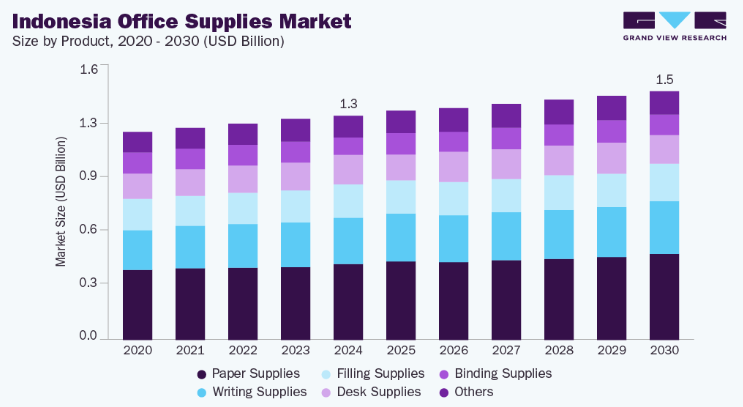
▲ Strong opportunities in stationery and paper products
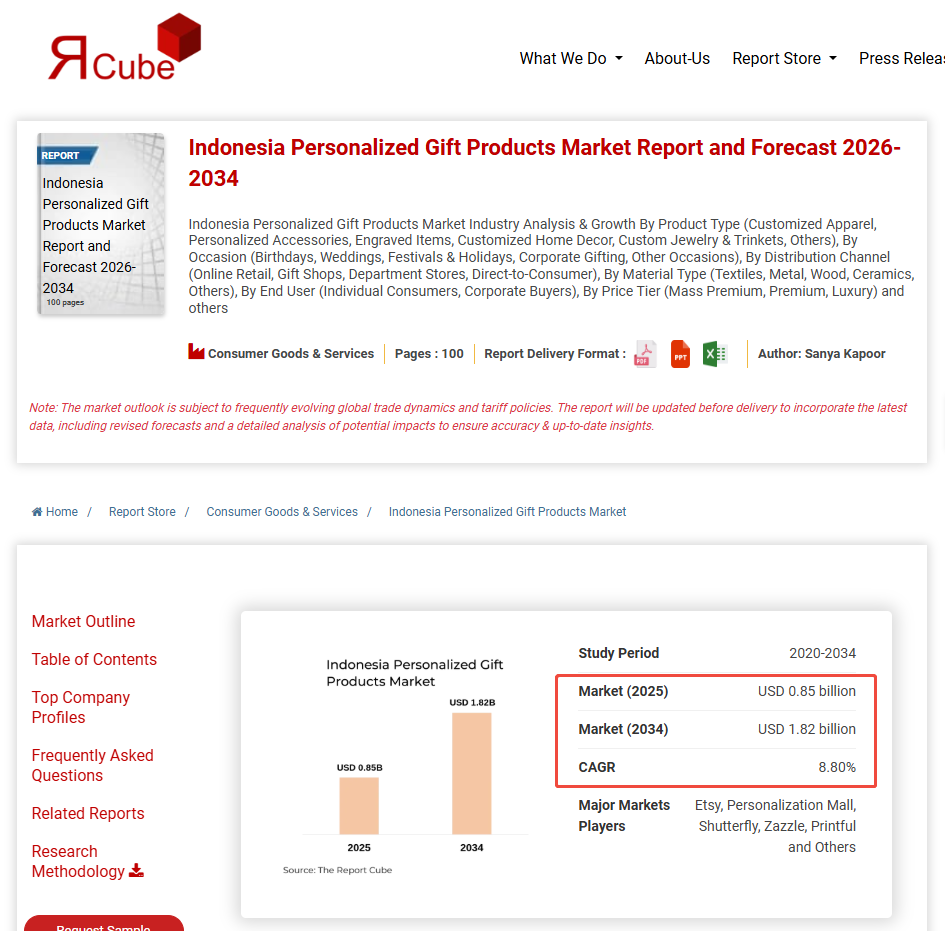
On the gifting side, religious festivals, weddings, and anniversaries create strong cyclical spikes. The personalized gift market is valued at about USD 850 million, and is expected to grow to USD 1.82 billion by 2034, with a CAGR of 8.8%.Customized jewelry, photo gifts, and emotionally driven products are key growth engines.
HOMELIFE Makes Every Global Expansion More Efficient
The market is not the problem.
The real question is: How do you enter it efficiently?
HOMELIFE Indonesia is not just an exhibition — it shortens the distance between decision and order, offering a proven go-global pathway.
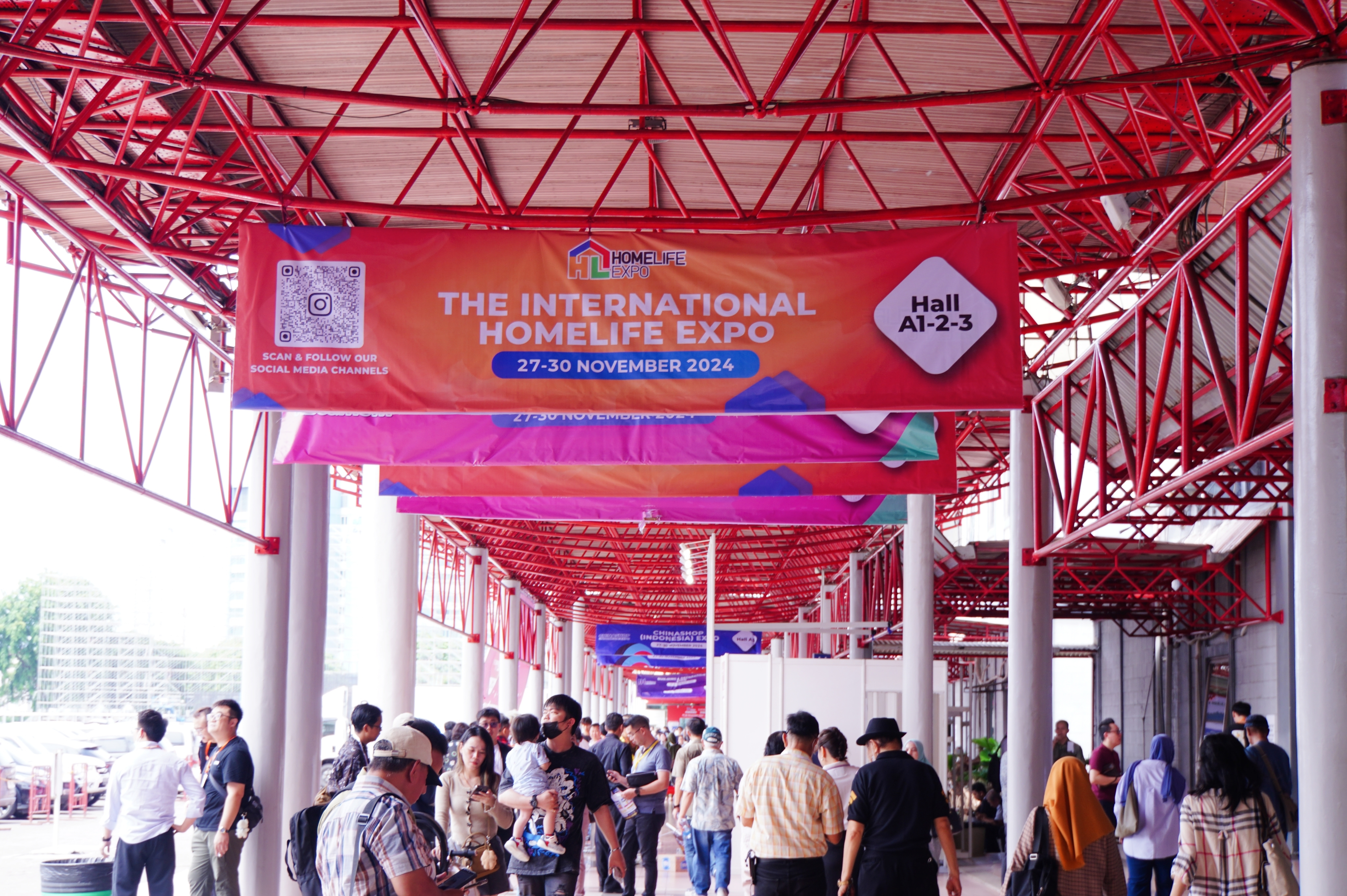
2026 HOMELIFE Indonesia
Continuing to Be the Hub Connecting Emerging Markets
Nov 25–28 | Jakarta International Expo
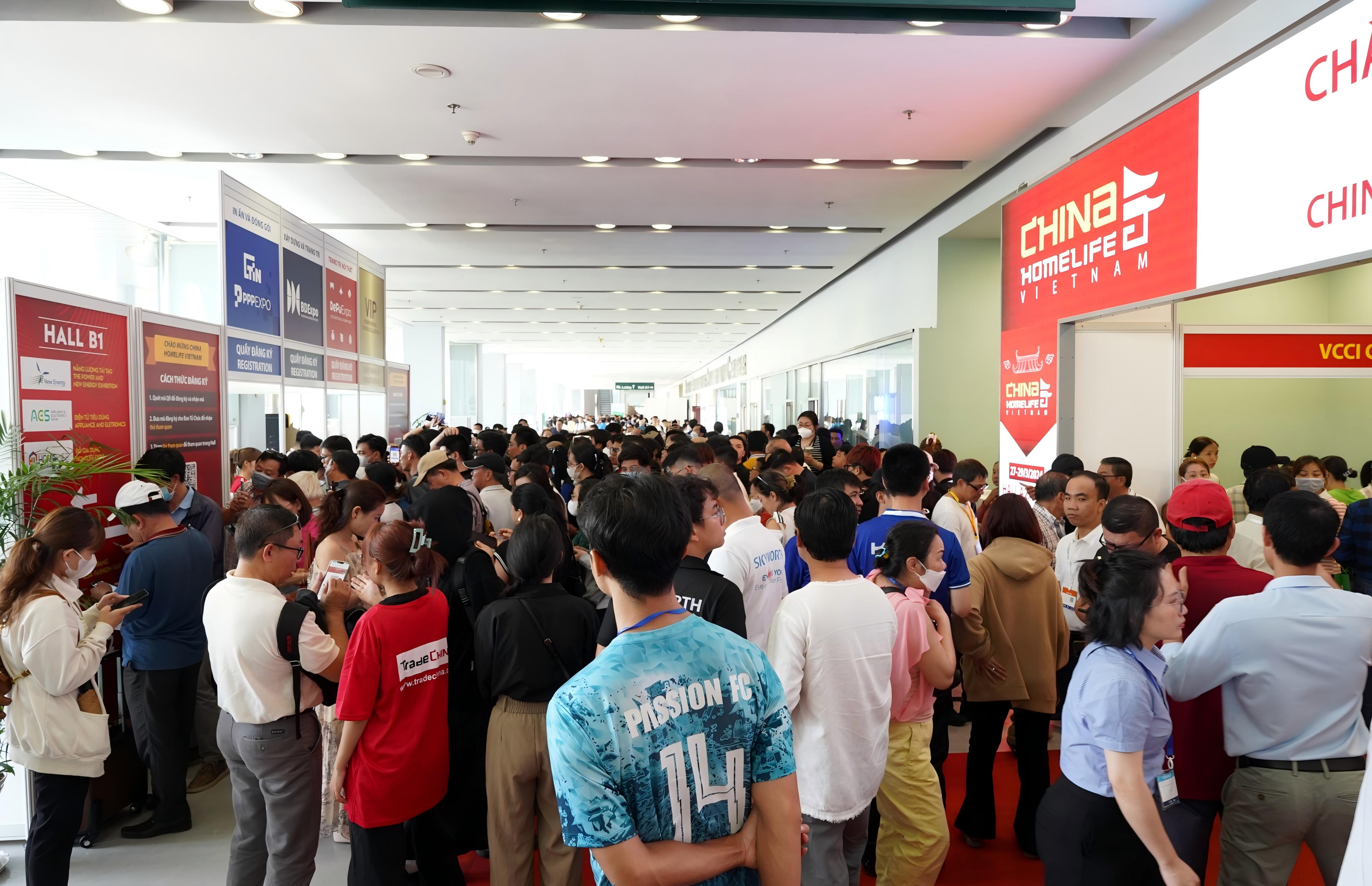
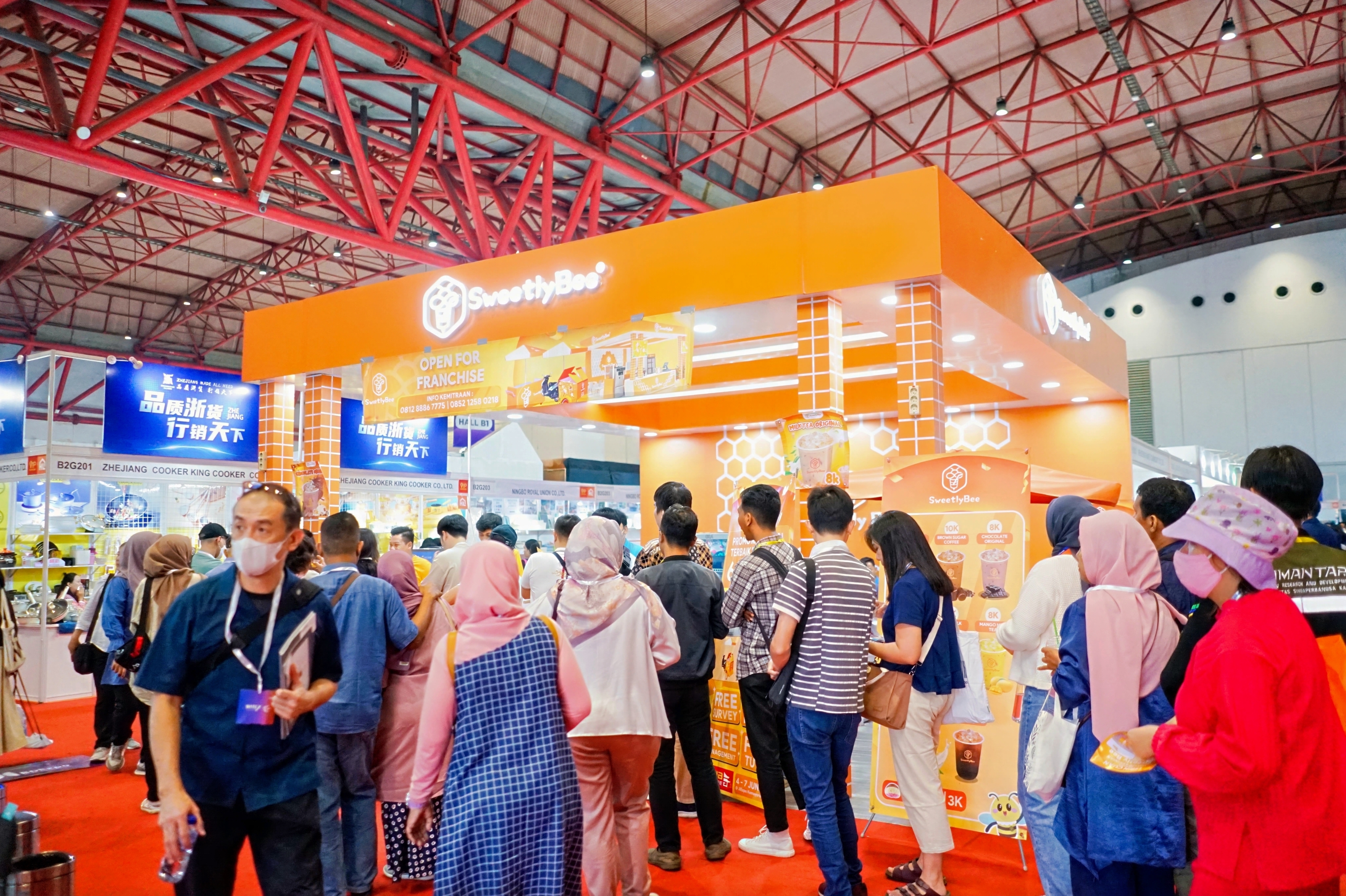
The 12th HOMELIFE Indonesia EXPO provides Chinese exporters with a highly efficient platform to showcase strengths and capture real opportunities.
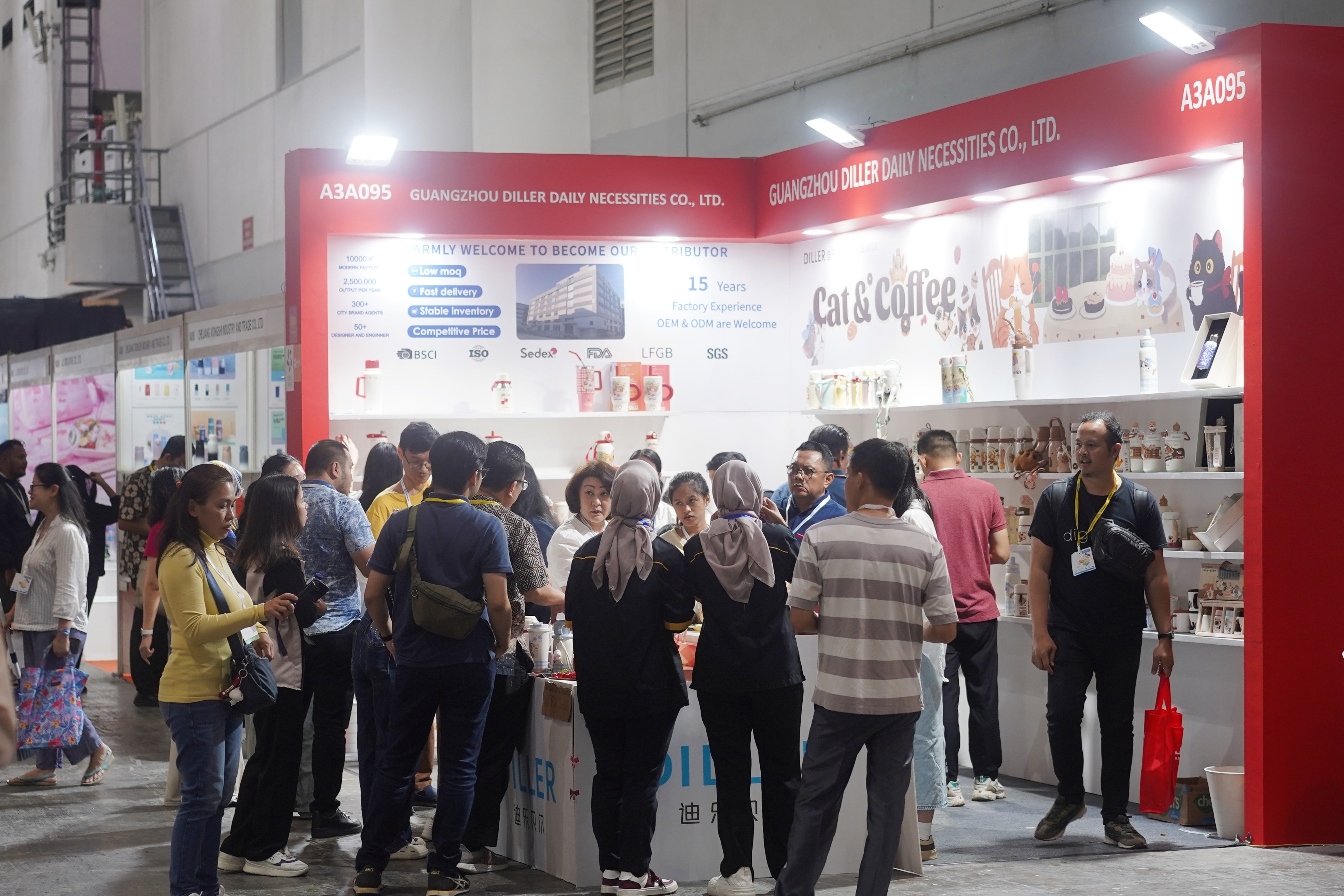
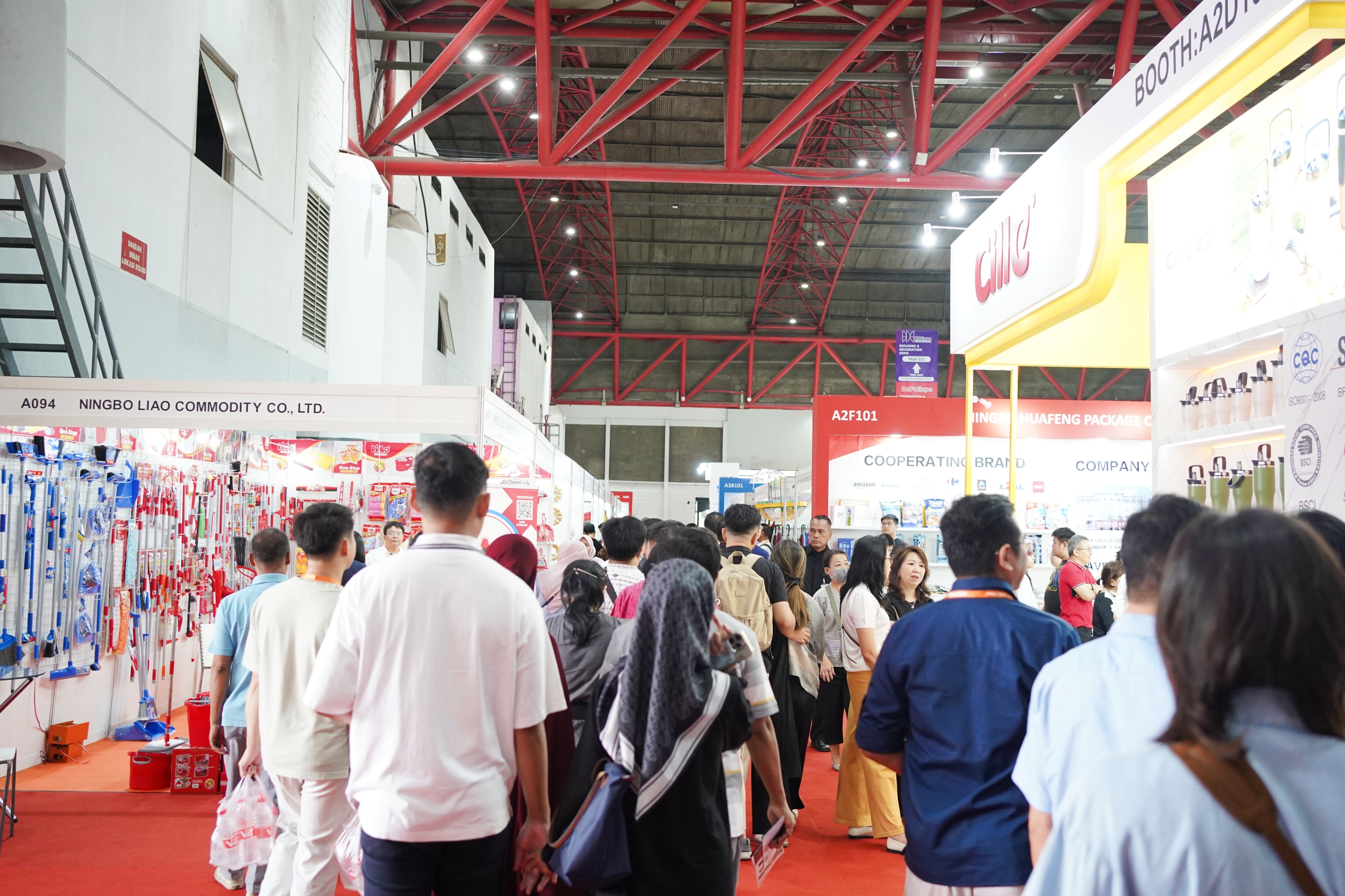
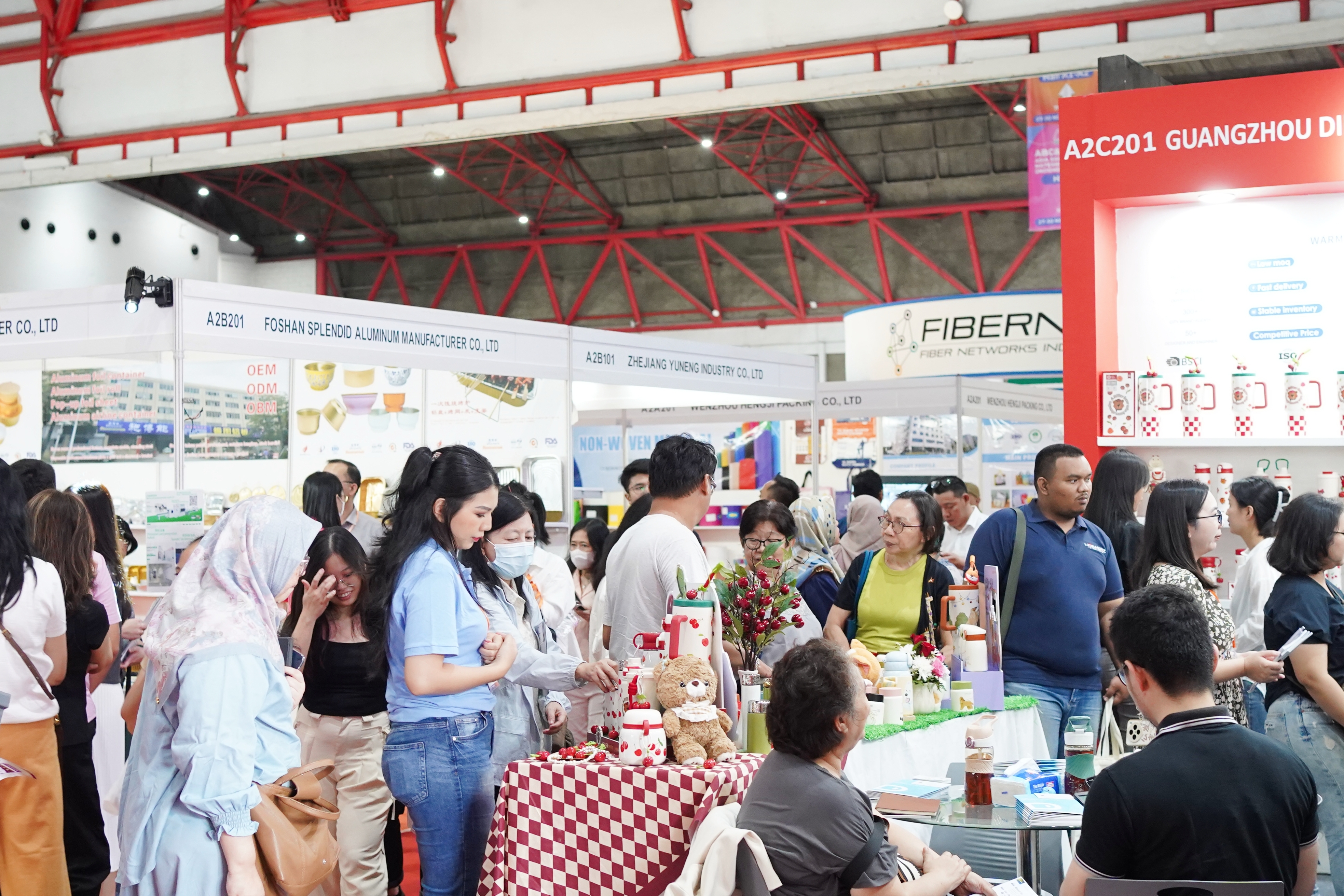
Authoritative Endorsements · Full Category Coverage
As the only Chinese self-owned B2B brand exhibition with a 4-day extended duration, HOMELIFE Indonesia covers five core categories:
Home & Daily Goods, Kitchenware, Beauty & Personal Care, Outdoor & Sports, Gifts & Office Supplies
It is strongly supported by nearly 30 Indonesian local trade associations, including the Global Retail Alliance, Indonesian Electronic Goods Association, and Indonesian Event Industry Council.
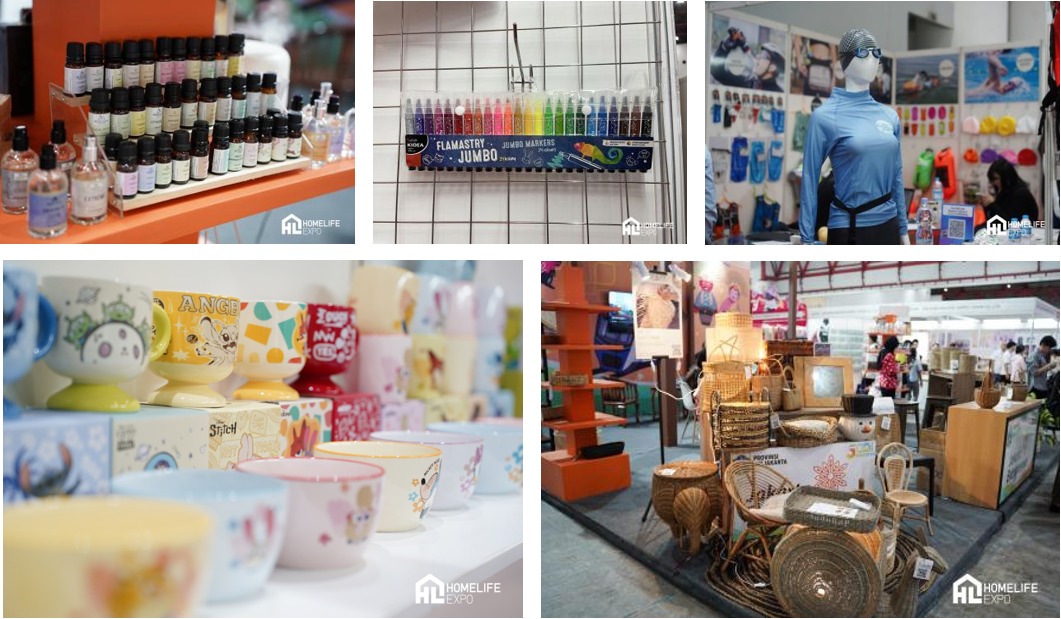
30,000+ Professional Buyers · Precise Matching
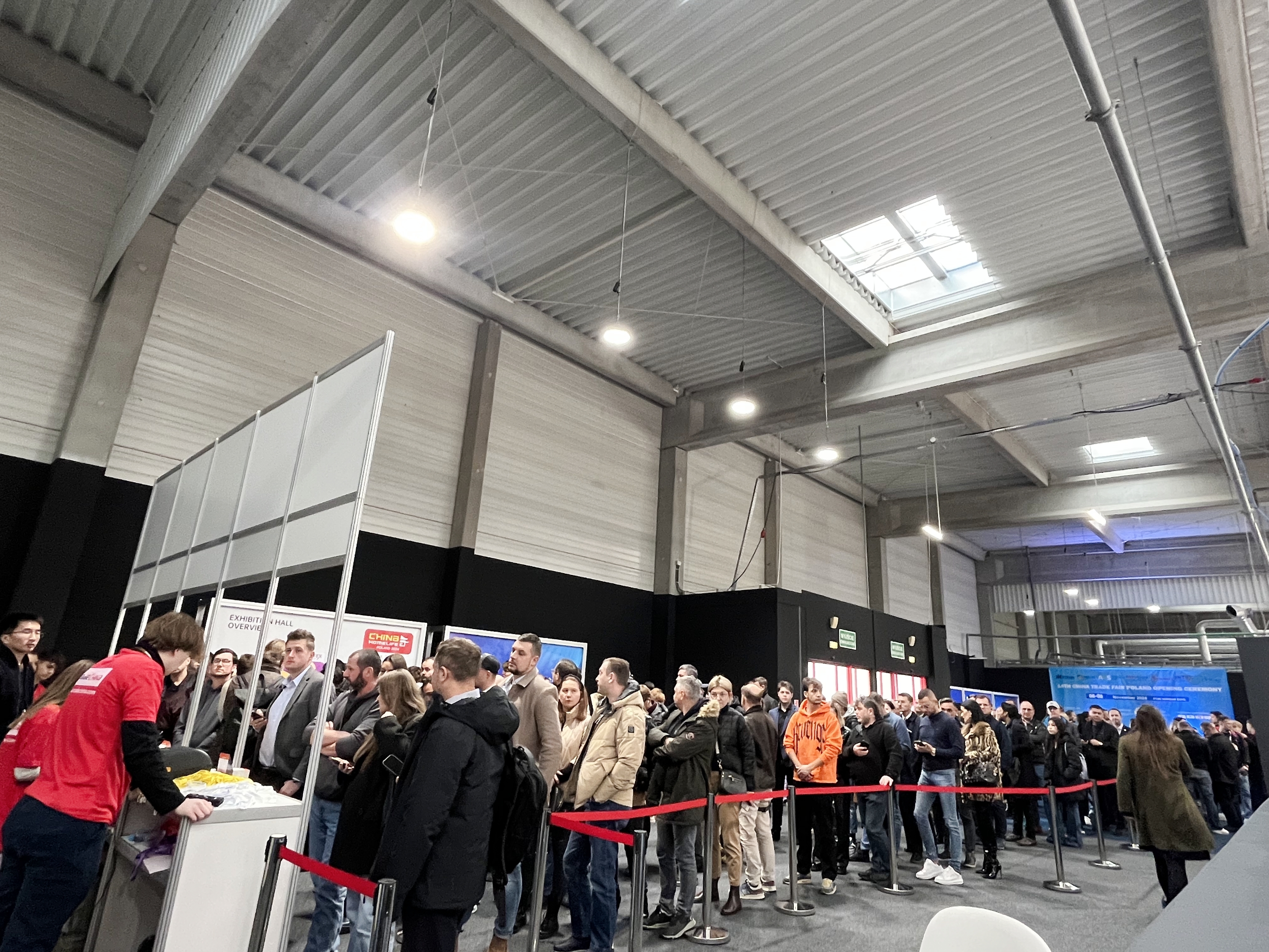
The exhibition connects a pool of 30,000+ high-quality buyers across retail, e-commerce, distribution, and manufacturing networks — helping enterprises secure orders and build sustainable presence in Southeast Asia.
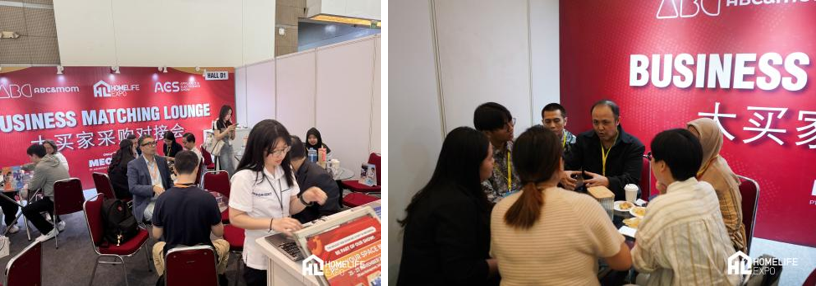
Pre-Show Platform
Capture Buyers at First Sight
From passive waiting to proactive locking in.
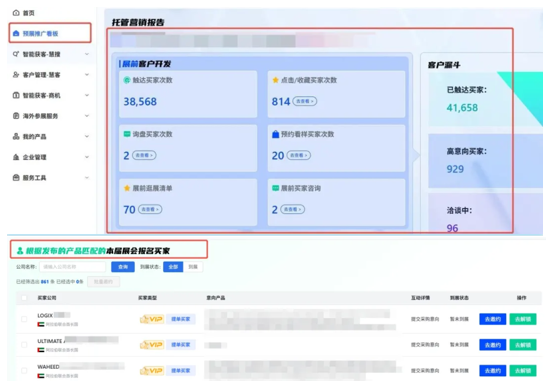
Before the show, companies can test product popularity and connect with potential buyers via the HOMELIFE pre-show platform.
You gain access to real overseas traffic and real data:
-
Popular search keywords
-
Product views
-
Interested buyers
-
Active inquiries
These real data points provide the most direct evidence of market acceptance.
Four Basic Benefits
-
Free online store setup
-
Upload 10 showcase products for free
-
Upload 100 new products for official promotions
-
Unlimited invitations to buyers
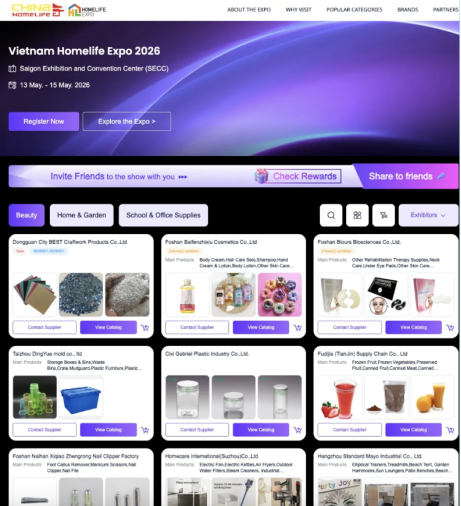
New store, new products, gain weighted exposure: Newly uploaded products receive 15 days of weighted exposure, appearing first in buyers' searches and recommendations.
Smart recommendation, precisely reaching interested buyers: When buyers search for or inquire about similar products on the platform, the product will be prioritized by the system to be recommended to them, further increasing exposure and sales opportunities.
Omni-channel promotion, accurately recruiting buyers: The exposure range is not limited to the exhibiting country. By identifying buyer profiles based on product tags, matched buyers can be efficiently and accurately recruited.
Priority access to high-value recommended buyer lists: Based on product tags, gain access to precisely matched premium buyers, enabling early invitations, viewing, and locking in high-intent opportunities.
Post-show remarketing: Continue reaching platform buyers after the exhibition, allowing promotions to keep spreading and have a wider impact.
AI-Powered Smart Exhibition Ecosystem
Centered on the “AI Smart Expo” system, HOMELIFE integrates intelligent matching algorithms, AI interaction hardware, and smart terminals such as AI glasses — digitizing the entire exhibition process from pre-show to post-show.

Global Promotion
Tens of Millions of Impressions
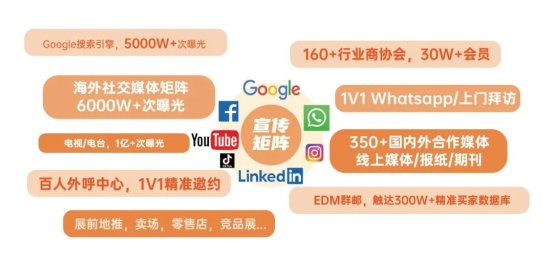
Through data-driven overseas marketing strategies across YouTube, Google, Facebook, Instagram, LinkedIn, and TikTok, HOMELIFE builds a multi-layered global exposure network for exhibitors.
Going global is no longer a lonely sail.
It is about letting the world see the warmth and wisdom of Chinese manufacturing.
In 2026, meet us at HOMELIFE Indonesia.
Stand at the forefront of Southeast Asia’s new blue ocean.

Register now and seize the opportunity.






 浙公网安备33019202002778号